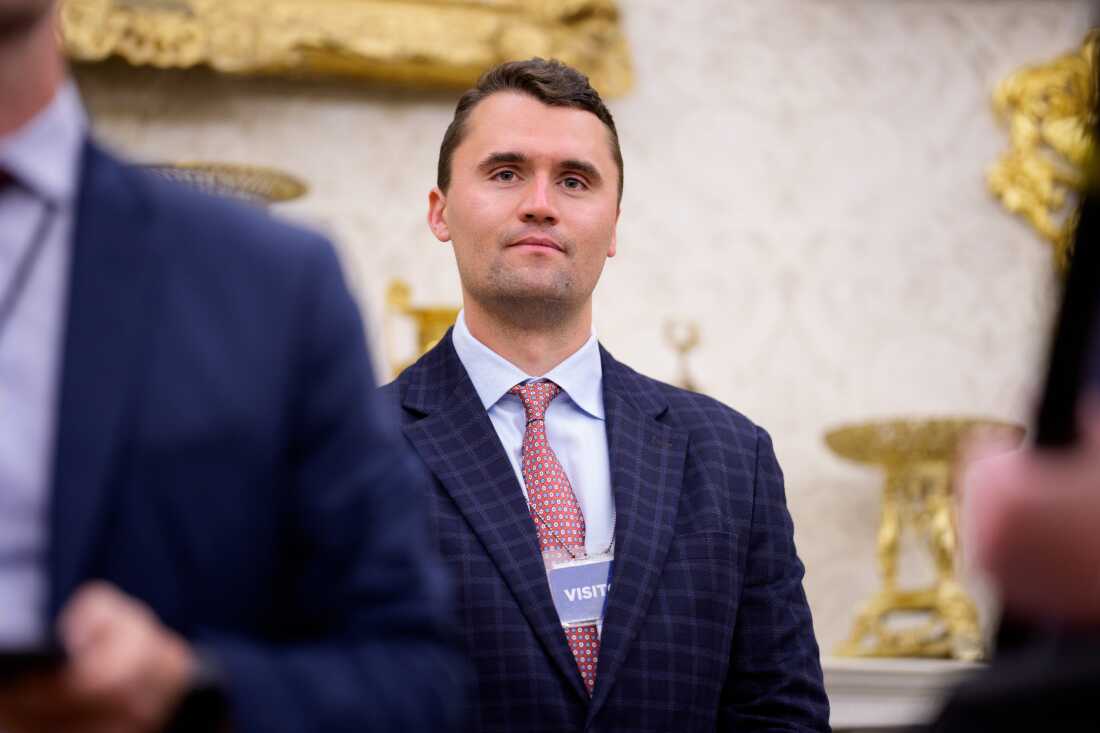
One animated LEGO-style video has suddenly become one of the most talked-about clips surrounding Charlie Kirk’s death. Not because of its graphics, but because of the message hidden inside. The video claims Kirk’s opposition to military escalation with Iran deserves far more attention than it has received, and that idea quickly spread across social media. Within days, commentators, independent creators, and thousands of viewers were asking the same question: was there more to the story than most people realized, or was the internet simply connecting dots that were never truly connected?
Long before the latest online debate, Charlie Kirk had publicly expressed skepticism about expanding American involvement overseas. Supporters quickly resurfaced interviews and social media posts where he criticized the idea of another major conflict in the Middle East. Those comments led some observers to argue that his position had begun to shift away from the views held by certain foreign policy hawks. Others disagreed entirely, saying his broader political record remained strongly supportive of Israel while simply opposing another costly war. Either way, those older statements suddenly took on new significance after his death. But that was only the beginning of the discussion.
During the conversation, host Jimmy Dore argued that the timing of Kirk’s death naturally led people to ask who might have benefited politically. Former prosecutor and legal analyst Lionel responded more cautiously, suggesting that such questions should always be examined carefully before reaching conclusions. Throughout the discussion, both men emphasized theories circulating online rather than presenting verified facts. Some internet users speculated about foreign interests, while others believed domestic political conflicts offered more likely explanations. Despite the growing attention, no publicly available evidence has confirmed any of those claims, leaving the debate fueled largely by interpretation rather than proof. And then the focus shifted toward the investigation itself.
The conversation became even more controversial when the hosts questioned several aspects of the official investigation. They pointed to discussions surrounding the crime scene, forensic evidence, and witness testimony that have circulated online since the case began. Particular attention was given to reports that witness Lance Twiggs received immunity before providing testimony. Lionel argued that such decisions often raise legitimate legal questions, although prosecutors may grant immunity for a variety of lawful reasons depending on the circumstances. Online discussions have interpreted that decision in very different ways, but none of those interpretations have been confirmed through public court findings. That uncertainty only encouraged even more speculation.
Attention then turned to Tyler Robinson, the man accused in the case. Rather than focusing only on the charges themselves, the hosts questioned how the investigation unfolded and whether every important detail had been fully explained. They discussed several theories circulating across social media, including suggestions that the case contained unanswered questions beyond what has been presented publicly. However, these ideas remain speculative, and no verified evidence has established the alternative scenarios described during the discussion. The hosts themselves acknowledged that much remains unknown until additional court proceedings are completed. Yet another issue soon captured even more attention.
Lionel repeatedly returned to the legal process, arguing that certain procedural decisions appeared unusual based on his decades of courtroom experience. He questioned why specific witnesses were handled the way they were and suggested that defense attorneys should aggressively examine every available piece of evidence. Those remarks reflected his personal legal opinion rather than established fact, but they resonated with viewers already skeptical of the investigation. Others pushed back, noting that complex criminal cases often involve legal strategies that are difficult for outside observers to fully understand while proceedings remain ongoing. That disagreement continues to divide audiences watching the case unfold.
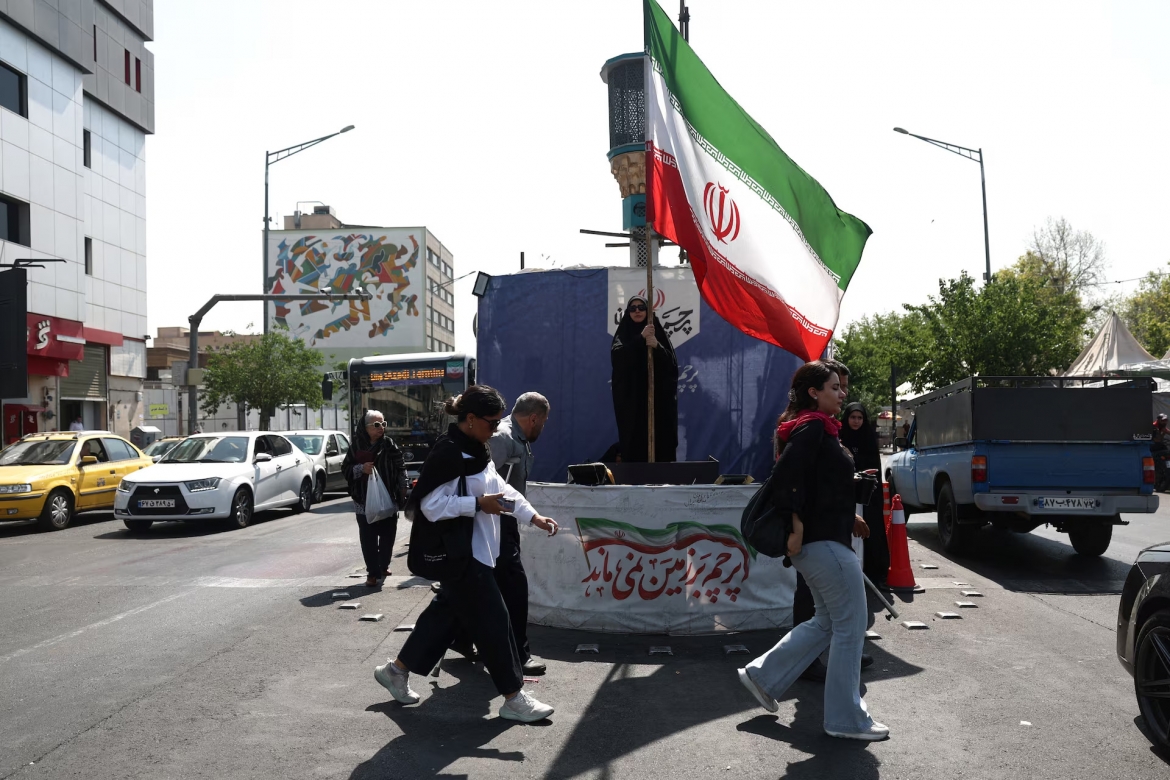
Perhaps the most unexpected development has been the rise of the LEGO video itself. What began as a creative internet production has evolved into a symbol for people questioning the official narrative surrounding Charlie Kirk’s death. Supporters argue it raises issues they believe deserve closer examination, while critics say it encourages speculation unsupported by evidence. As more interviews, court hearings, and public commentary emerge, the online conversation continues growing instead of fading. For now, many of the biggest claims remain unverified, but the questions surrounding Charlie Kirk’s death, the investigation, and the political debate it sparked continue to keep audiences watching for whatever comes next.
Leave a Reply