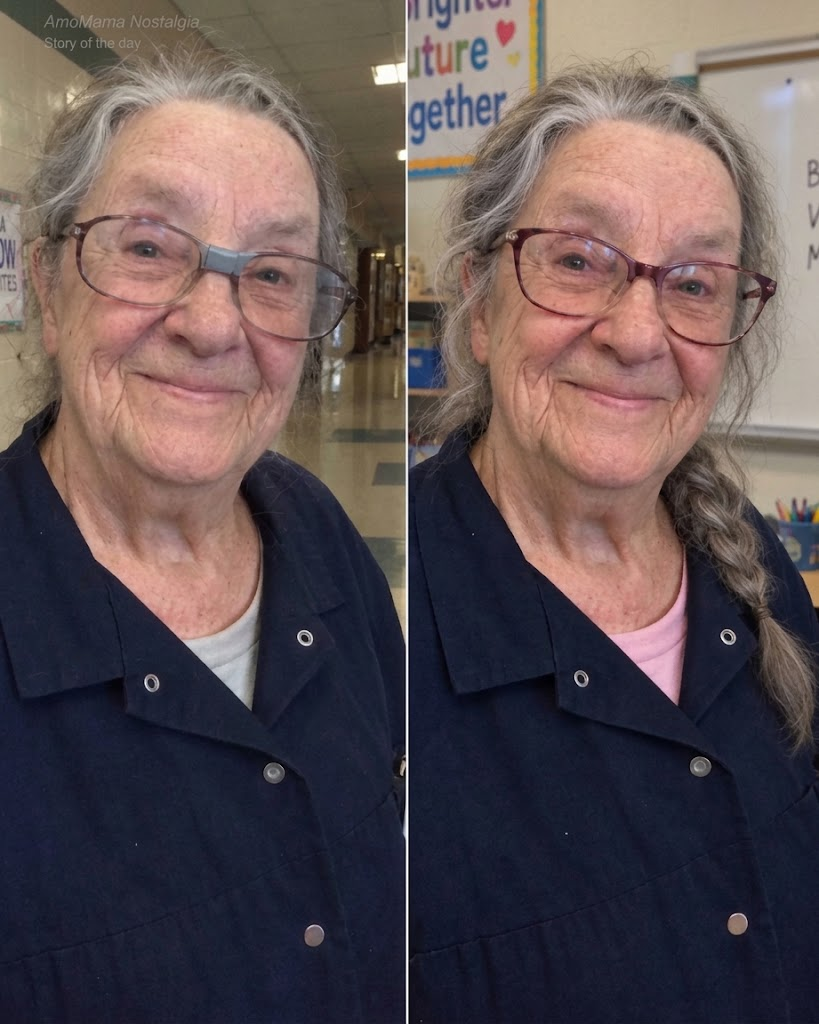
• My 10-Year-Old Daughter Bought New Glasses for an Elderly School Janitor with Her Own Savings – The Next Day, the Principal Called and Said, ‘Ma’am, an Officer Is Looking for Your Daughter’

    My 10-Year-Old Daughter Bought New Glasses for an Elderly School Janitor with Her Own Savings – The Next Day, the Principal Called and Said, ‘Ma’am, an Officer Is Looking for Your Daughter’

    My grip tightened around the phone.

    “Why is a police officer looking for Ariel?”

    “Jennifer, she’s safe.”

    “That wasn’t my question.”

    Mr. Reed exhaled.

    “She’s in my office. Mrs. Grunwald is here too. Please come in before we explain anything.”

    “Jennifer, she’s safe.”

    My stomach dropped.

    “Don’t let anybody question my daughter without me.”

    “No one’s questioning her.”

    “Keep it that way. I’m leaving now.”

    I grabbed my keys and ran.

    “No one’s questioning her.”

    The worst part was that less than 24 hours earlier, I’d been hugging Ariel because I thought she’d done one of the kindest things I’d ever seen.

    ***

    My daughter was ten and quiet enough that adults sometimes mistook her silence for shyness.

    It wasn’t.

    Ariel watched first. Then she decided whether something was worth saying.

    I’d learned not to rush her.

    My daughter was ten and quiet.

    Maybe I understood her because I’d been the same way.

    At 40, I still remembered being the child adults called “easy.” I behaved, helped, and rarely asked for much.

    Nobody treated me badly. I just grew up watching louder people get noticed first.

    So with Ariel, I noticed everything. I kept teacher notes and photographed certificates she barely cared about.

    I told myself I was making sure she never felt invisible.

    Nobody treated me badly.

    ***

    I gave Ariel a few dollars for school most mornings. Most days, she saved it in a small wooden box on her dresser.

    I assumed she wanted headphones or some toy she’d spotted online.

    Then one afternoon, I bumped the dresser while putting away towels.

    The lid opened.

    I gave Ariel a few dollars for school.

    The box was empty.

    When Ariel came home, I was waiting in her room.

    She stopped when she saw the box beside me.

    “Am I in trouble?”

    “Depends what happened to your savings.”

    The box was empty.

    “I spent it.”

    “All of it?”

    She nodded.

    I looked around.

    “What did you buy?”

    “Glasses.”

    “I spent it.”

    I stared at her.

    “You don’t wear glasses.”

    “They weren’t for me, Mom.”

    “Then who were they for?”

    Ariel lowered her backpack.

    “Mrs. Grunwald.”

    “You don’t wear glasses.”

    I knew the name.

    Mrs. Grunwald was an elderly custodian at Ariel’s school. She had a sharp little smile and once returned Ariel’s forgotten lunch box to me with the comment, “This thing gets around more than I do.”

    I’d always liked her.

    “What happened to her glasses?”

    Mrs. Grunwald was an elderly custodian.

    “The middle was taped together, and one side kept falling off. Yesterday they fell into her dustpan.”

    “And you gave her all your money?”

    “She needed new ones.”

    “How did you buy them?”

    “I didn’t go anywhere.”

    That relieved me immediately.

    “She needed new ones.”

    “I put the money in an envelope and gave it to her.”

    “And she took it?”

    “Not at first. She gave it back, so I gave it to her again.”

    “Ariel.”

    “I told her I’d saved it for something I wanted.”

    “And?”

    “She gave it back, so I gave it to her again.”

    “I wanted her to see properly.”

    That shut me up.

    Ariel continued.

    “She already had a prescription. She used some of my money and paid the rest herself.”

    “So she has new glasses now?”

    Ariel’s face brightened.

    “I wanted her to see properly.”

    “She wore them today.”

    I pulled her into a hug.

    “I’m so proud of you.”

    She relaxed against me.

    “But next time, tell me first.”

    She pulled back.

    “She wore them today.”

    “Why?”

    “Because that’s a lot of money.”

    “It was mine.”

    “Yes, but you’re ten.”

    Ariel tilted her head.

    “Would you have helped her?”

    “Yes, but you’re ten.”

    “Probably.”

    “Then what did I do wrong?”

    “You didn’t do anything wrong. I just don’t want you thinking you have to fix grown-up problems on your own.”

    “I wasn’t fixing her whole life.”

    She looked completely serious.

    “I was fixing her glasses.”

    “Then what did I do wrong?”

    I laughed.

    “Fair enough. But talk to me next time.”

    “Okay.”

    I kissed her forehead.

    I thought that was the end of it.

    Then Mr. Reed called the next day.

    But talk to me next time.”

    ***

    I reached his office out of breath.

    Ariel sat beside his desk.

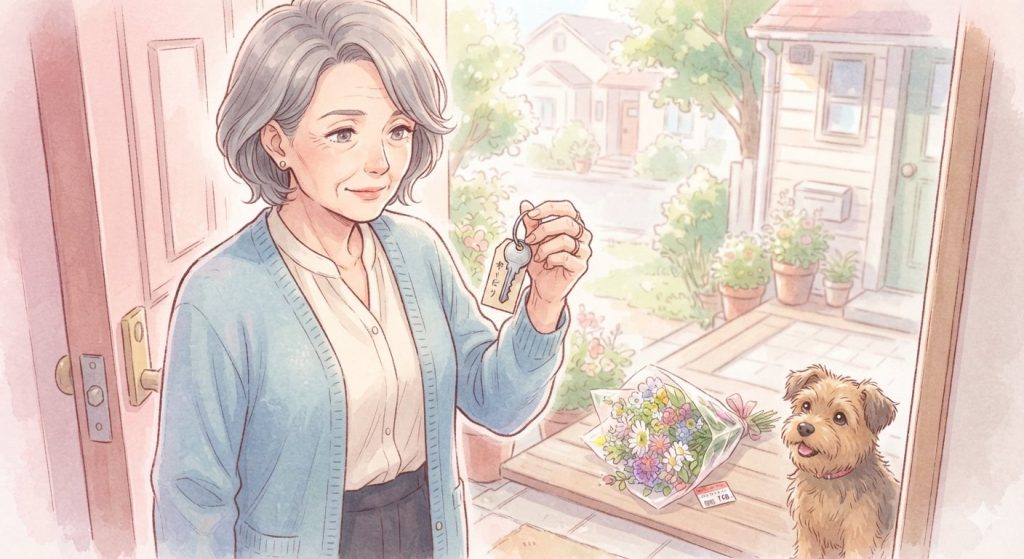
    Mrs. Grunwald stood near the window wearing neat dark-framed glasses.

    Officer Rogers was beside Mr. Reed.

    I crossed the room and went straight to Ariel.

    “Are you okay?”

    I reached his office out of breath.

    “Yeah.”

    I touched her shoulder.

    “Did anyone ask you questions before I got here?”

    “No. Mr. Reed just told me to wait.”

    I turned to the adults.

    “Yeah.”

    “Then somebody needs to tell me what’s happening.”

    The principal lifted his hands.

    “Nothing bad. I should’ve started there, Jennifer.”

    I looked at Mr. Reed.

    “You absolutely should have.”

    The principal lifted his hands.

    “I’m sorry,” he said. “I handled that call badly.”

    Officer Rogers smiled.

    “Mr. Reed told me what Ariel did. Part of my work involves recognizing students for unusual acts of kindness.”

    I blinked.

    “This is about the glasses?”

    “Yes.”

    “I handled that call badly.”

    “So Ariel isn’t in trouble.”

    “Not remotely.”

    I pressed one hand against my chest.

    “You people took five years off my life.”

    Mr. Reed actually looked ashamed.

    Then he said, “We’d like to nominate Ariel for a community recognition.”

    “You people took five years off my life.”

    I looked at my daughter.

    “Did you hear that?”

    Ariel shrugged.

    “I heard.”

    Mr. Reed smiled.

    “She’s very modest.”

    “Did you hear that?”

    “She’s very Ariel.”

    Mrs. Grunwald gave a small smile at that.

    Pride rushed through me. Ariel had finally been noticed.

    Mr. Reed folded his hands.

    “We’d also like to share a short post about what she did. Nothing elaborate. Just something for the school community.”

    “She’s very Ariel.”

    Ariel looked up.

    “Do we have to?”

    “No,” Mr. Reed said. “Only with your mother’s permission. And you have a say, of course.”

    I should’ve stopped there.

    Instead, I heard something else.

    Ariel deserves to be recognized.

    “Do we have to?”

    “Jennifer?” Mr. Reed asked.

    “Yes.”

    Ariel turned toward me.

    “Mom.”

    “It’ll just tell people what you did.”

    Mrs. Grunwald shifted near the window.

    “Mom.”

    “Perhaps not all of it,” she said.

    I turned.

    She touched the new frames. “I don’t need a fuss.”

    “It’s something good.”

    “I still prefer my private life to stay private.”

    Mrs. Grunwald looked at Ariel.

    “I don’t need a fuss.”

    “If you’re comfortable with it.”

    Ariel gave a small shrug.

    I mistook that for agreement.

    “Then yes,” I said. “You have my permission.”

    ***

    The post went up that afternoon.

    At first, I loved it.

    “If you’re comfortable with it.”

    I hated admitting that later, but I did.

    It described Ariel as a thoughtful ten-year-old who had saved her spending money and helped an elderly custodian replace broken glasses.

    The praise came quickly.

    “What a wonderful child.”

    “Her mother must be proud.”

    The praise came quickly.

    I screenshotted that one.

    Then I saved another: “This is how children should be raised.”

    Ariel came into the living room carrying an apple.

    “They’re saying nice things about you,” I told her.

    She leaned over my shoulder.

    “What are they saying about Mrs. Grunwald?”

    “This is how children should be raised.”

    I scrolled lower.

    My smile disappeared.

    Someone asked why such an elderly woman still had to work.

    Another wanted to organize groceries for her.

    Ariel frowned.

    I scrolled lower.

    “She didn’t ask for any of that.”

    “No.”

    “Did she say she couldn’t afford food?”

    “No.”

    “Then why are they acting like she did?”

    I locked the screen.

    “She didn’t ask for any of that.”

    “Because people are filling in blanks they don’t understand.”

    “Do you think Mrs. Grunwald saw this?”

    I stopped.

    I had no idea.

    Ariel watched my face.

    “You didn’t ask her?”

    “Do you think Mrs. Grunwald saw this?”

    “No.”

    “She told you she didn’t want people knowing.”

    That stung.

    ***

    Ten minutes later, Ariel and I were driving back to school.

    “We’re going to fix something I should’ve thought about before I said yes.”

    We found Mrs. Grunwald after school, pushing a cleaning cart.

    “She told you she didn’t want people knowing.”

    She saw me and sighed.

    “I wondered when you’d come.”

    “I’m sorry.”

    She rested both hands on the cart.

    “People brought me groceries.”

    I stared at her.

    “I wondered when you’d come.”

    “What?”

    “Three bags.”

    Ariel’s eyes widened.

    “Why?”

    Mrs. Grunwald looked at her gently.

    “Because people read half a story and invented the other half.”

    Ariel’s eyes widened.

    I stepped closer.

    “I’ll get the post taken down.”

    “That won’t make people forget it.”

    “Then we’ll correct it.”

    Mrs. Grunwald’s face tightened.

    “Correct what?”

    “I’ll get the post taken down.”

    “That you weren’t unable to buy glasses.”

    She looked at me.

    “Jennifer, I could’ve replaced them.”

    “Then why didn’t you?”

    “My granddaughter is almost finished with nursing school. I’ve been helping with books, transportation, and some final fees,” Mrs. Grunwald continued. “The glasses could wait a few weeks.”

    “Then why didn’t you?”

    “You shouldn’t have had to choose.”

    Her eyes sharpened.

    “I didn’t have to. I chose this.”

    I went quiet.

    Ariel spoke first.

    “Are you mad at me?”

    “I didn’t have to. I chose this.”

    Mrs. Grunwald immediately softened.

    “No, sweetheart.”

    “You looked sad.”

    “I’m not sad about you.”

    She touched Ariel’s shoulder.

    “You looked sad.”

    “You saw broken glasses and tried to help. That’s all you knew.”

    Then she looked at me.

    “The adults are the ones who turned it into something else.”

    I took Ariel straight to Mr. Reed’s office.

    “Delete the post.”

    “The adults are the ones who turned it into something else.”

    He nodded as soon as I explained.

    “Of course.”

    “Then maybe we should post what really happened.”

    “No.”

    Mrs. Grunwald stood behind me.

    I turned.

    “If people knew you were helping your granddaughter…”

    “No.”

    “Then strangers know another thing about my family that I never offered them.”

    I stopped.

    “But they’re getting the wrong idea.”

    Mrs. Grunwald looked straight at me.

    “I don’t need strangers to think better of me.”

    Nobody spoke.

    “But they’re getting the wrong idea.”

    I’d wanted strangers to admire Ariel without asking whether Ariel wanted their attention.

    Mr. Reed cleared his throat.

    “I’ll remove the post. No correction unless Mrs. Grunwald wants one.”

    She nodded.

    “Thank you.”

    Then he looked at me.

    “No correction unless Mrs. Grunwald wants one.”

    “The recognition can still happen without any public story.”

    I didn’t answer, not yet.

    ***

    That evening, I sat beside Ariel on her bed.

    “Mr. Reed says the recognition can still happen privately.”

    Ariel shook her head.

    “I don’t want it.”

    I didn’t answer, not yet.

    “You didn’t cause this mess.”

    “I still don’t want it.”

    “Why?”

    She thought for a moment.

    “I didn’t buy the glasses because I wanted people clapping.”

    I looked down.

    “You didn’t cause this mess.”

    “When I was your age, I would’ve loved people making a fuss over something good I did.”

    She leaned against me.

    “So can I say no?”

    That was the real question: not whether she deserved recognition, whether I could stop needing it for her.

    “Yes.”

    She looked up.

    “You’re sure?”

    “Yes.”

    “So can I say no?”

    ***

    By the next morning, screenshots were still spreading.

    I went back to the school and found Mrs. Grunwald.

    This time, I didn’t arrive with a solution.

    “What do you want?”

    “I want people to stop telling my story.”

    I nodded.

    This time, I didn’t arrive with a solution.

    “And I want Ariel to know I never regretted accepting her help.”

    “Then tell her.”

    Mrs. Grunwald studied me.

    “You’re listening now.”

    “I should’ve listened sooner.”

    She nodded.

    That was all I needed to hear.

    “You’re listening now.”

    ***

    Friday’s recognition event had already been planned for several students.

    Ariel had simply been added.

    Before we left home, I asked her one last time.

    “If there are no pictures, no post, nothing public afterward, do you want the recognition?”

    “No.”

    “Okay.”

    She watched my face.

    I asked her one last time.

    “You’re not disappointed?”

    “A little.”

    “In me?”

    “No. In an old idea I had.”

    Ariel took my hand.

    “Are you okay with losing it?”

    “You’re not disappointed?”

    I squeezed her fingers.

    “I’m learning.”

    ***

    At the event, Mr. Reed called my name because I’d originally agreed to say a few words about Ariel.

    I walked to the front.

    Officer Rogers stood nearby. Mrs. Grunwald sat toward the back.

    I looked at Ariel.

    “I’m learning.”

    Then I spoke.

    “When I heard people wanted to recognize my daughter, I said yes too quickly.”

    The room quieted.

    “I thought being seen was always a gift. I was wrong.”

    Mr. Reed shifted beside me.

    I continued.

    “I thought being seen was always a gift. I was wrong.”

    “Ariel did something kind. But I helped turn that kindness into a story that cost someone else her privacy.”

    My throat tightened.

    “Ariel doesn’t want the recognition. I’ve asked her, and I’m respecting her answer.”

    I looked back at my daughter.

    “What she did still matters. It doesn’t matter more because more people know.”

    I handed the microphone back.

    “I’m respecting her answer.”

    For once, I let something meaningful stay small.

    ***

    Afterward, Officer Rogers approached me first.

    “For what it’s worth, I think she would’ve deserved the recognition.”

    “So do I.”

    He nodded toward Ariel.

    “But deserving something doesn’t mean wanting it.”

    “So do I.”

    He smiled.

    “She seems to understand that better than most adults.”

    Then he walked away.

    Mrs. Grunwald found me near the door.

    “That couldn’t have been easy.”

    Then he walked away.

    “No.”

    “Good.”

    I laughed.

    She smiled.

    Then she said, “Thank you.”

    “I’m sorry I helped start it.”

    “I believe you.”

    “I’m sorry I helped start it.”

    Ariel joined us.

    Mrs. Grunwald bent slightly toward her.

    “I need you to understand something.”

    Ariel waited.

    “I love these glasses.”

    Ariel’s face brightened.

    “And I wasn’t embarrassed by your help.”

    “I need you to understand something.”

    “Then why were you upset?”

    “Because I wanted to choose who knew my business.”

    Ariel nodded slowly.

    “Like when Mom wants to post pictures and I tell her not to?”

    Mrs. Grunwald glanced at me.

    I closed my eyes.

    “Then why were you upset?”

    “Apparently we’re making this personal now.”

    Ariel smiled.

    Mrs. Grunwald did too.

    That was the first time the whole thing felt light again.

    ***

    A few days later, Ariel came home carrying her wooden savings box.

    Inside was a glasses case.

    “Apparently we’re making this personal now.”

    She opened it and handed me a folded note.

    Mrs. Grunwald had written one sentence.

    “Thank you for seeing me before everybody else started looking.”

    “You’re keeping this?”

    “Forever.”

    Without thinking, my hand moved toward my phone.

    “Thank you for seeing me before everybody else started looking.”

    Then I stopped.

    Ariel noticed.

    “You’re not taking a picture?”

    I shook my head.

    “No.”

    She studied me for a second.

    “Really?”

    “You’re not taking a picture?”

    “Really.”

    Ariel folded the note carefully and placed it inside the case.

    Then she tucked the case into the wooden box.

    “Can I ask you something?”

    “Sure.”

    “If I save my money again and I want to help somebody, do I still have to tell you?”

    I smiled.

    “Really.”

    “Yes.”

    “Why?”

    “Because I’m still your mother.”

    She rolled her eyes.

    “But I’ll listen before I tell you what I think you should do.”

    “That’s better.”

    “Because I’m still your mother.”

    I looked at the wooden box: no certificate, no award, no screenshots, just one private note from one woman to one little girl.

    Ariel closed the lid.

    I left it closed.

  • At a table laden with meat and seafood, my mother-in-law was the only one who left me with an empty plate: “We’ve run out of food for you.”

    At a table laden with meat and seafood, my mother-in-law was the only one who left me with an empty plate: “We’ve run out of food for you.”

    My husband didn’t say a word. I got up silently and left. That night, I cancelled the mortgage, the utilities, and various other payments I had been covering for years. Two days later, I received a desperate call… and a folder revealed who was really driving the family into debt.

    PART 1

    “Your budget ran out. When we finish, if there’s anything left, you can eat that,” my mother-in-law said, placing an entirely empty plate in front of me.

    For a few seconds, I thought I had misheard her.

    The dining room table was piled high with food: prime cuts of steak, garlic butter shrimp, imported cheeses, fine wine, and a massive seafood platter my mother-in-law, Theresa, had ordered specifically to celebrate the birthday of her favorite daughter-in-law, Lauren.

    I had just arrived after working almost twelve hours at my office. My name is Mariana. I am thirty-seven years old, and for four years, I had been married to Daniel, Theresa’s youngest son.

    I sat down next to my husband, expecting at least a quick greeting. Daniel didn’t even look up.

    “You’re late,” he muttered, carving off another piece of steak.

    Theresa took the finest cut, added a spoonful of garlic shrimp, and set the loaded plate directly in front of Lauren. “Eat up, sweetie. At least you know how to spoil this family.”

    Lauren beamed like she had just won a prize. “Oh, Mom, you’re always so good to me.”

    Her husband, Aaron—Daniel’s older brother—burst out laughing. “That’s because Lauren has class. Not everyone knows how to live well.”

    I stayed silent.

    No one at that table seemed to remember that for the last three years, the person paying for almost all of that “living well” was me.

    The mortgage on Theresa’s house: $3,200 a month. Utilities and upkeep: roughly $1,000. Daniel’s credit card, which was constantly maxed out: anywhere between $1,800 and $2,500 every month.

    When Theresa had unexpected surgery, I paid the hospital bill. When Aaron lost his job, I covered two months of his car payments. I had done it all because Daniel kept repeating the exact same line: “We’re family, Mari. Someday, they’d do the same for us.”

    Sitting there staring at that bare porcelain, I realized they never would.

    I looked at the empty plate. Then I looked at Daniel. I waited for him to speak up. To defend his wife. To ask why his mother could spend hundreds of dollars on a lavish dinner for Lauren while treating me like an unwelcome stray.

    Daniel just kept chewing. “Mom’s just like that,” he whispered, refusing to meet my eyes. “Don’t make a scene.”

    That whisper hurt worse than his mother’s insult.

    I stood up. “All right.”

    Theresa arched an eyebrow. “Are you seriously offended?”

    “No,” I replied calmly. “I just finally understand.”

    I grabbed my purse. Lauren let out a quiet giggle. “Some people have money, but zero manners for polite company.”

    I looked at her for a brief second, said nothing, and walked out. I got into my car and drove straight to my condo—a property I had purchased before my marriage and paid off entirely with my own hard work.

    I didn’t shed a single tear that night. Instead, I opened my banking app.

    Theresa’s mortgage: Auto-pay active. Utility bills: Auto-pay active. Daniel’s credit card: Auto-pay active. Monthly allowance transfer to his mother: Auto-pay active.

    One by one, I canceled every single recurring payment.

    Then I called my corporate accountant. “Robert, starting tomorrow morning, I want to eliminate every personal payment tied to Daniel’s family.”

    “All of them, Mariana?”

    I stared at the confirmation screen. “Every single one.”

    Two days later, at 8:17 AM, Theresa called me screaming.

    “Mariana! The bank says the house payment bounced! Transfer the thirty-two hundred dollars right now!”

    I took a slow sip of my morning coffee and repeated her exact words right back to her:

    “I’m sorry, Theresa. My budget for you ran out.”

    The dead silence on the other end of the line was absolute bliss.

    Canceling the cash flow was just the beginning. The truly astounding part was discovering who had actually been draining that family dry while they were busy looking down on me.

    PART 2

    “You have an obligation to help my mother!” Daniel yelled that same evening, barging into my living room.

    I was working at my desk. I closed my laptop slowly. “No, Daniel. For four years, I chose to help her. There’s a massive difference.”

    “Her mortgage payment is past due!”

    “Then you and your family can pay it.”

    Daniel ran both hands through his hair in a panic. “You know damn well my salary can’t cover that!”

    “Interesting,” I noted. “Because when your mother humiliated me two nights ago, your family certainly seemed to have plenty of money for a four-figure dinner.”

    “It was just a dinner!”

    “And my empty plate was ‘just a plate,’ right?”

    Daniel went completely quiet.

    I pulled a thick folder out of my desk drawer—a file I had prepared that morning with my attorney and college friend, Paula. I slid it across the glass table.

    “I need you to pack your clothes and leave.”

    Daniel opened the folder. His face drained of color. “Divorce?”

    “Yes.”

    “Over a dinner?”

    “Over four years of you mistaking being a husband for freeloading off me while letting your family treat me like a human ATM.”

    Daniel tried to argue, but building security escorted him off the premises.

    He retreated to his mother’s house, which is where the real chaos erupted. Theresa was still furious at me when she announced to the family, “We don’t need Mariana anyway. Lauren is always telling us how well her investments are doing.”

    Everyone turned toward the favorite daughter-in-law. Lauren instantly went pale.

    “Uh… my funds are tied up in my portfolio this month,” Lauren stammered.

    Aaron frowned. “Tied up in what?”

    “In… a business venture.”

    “What venture, Lauren?”

    Before she could invent a lie, the doorbell rang.

    It wasn’t thugs or debt collectors. It was two formal representatives from a recovery firm accompanied by a process server, holding official legal documentation regarding several major personal loans Theresa claimed she had never taken out.

    One of the representatives placed a dossier on the coffee table. “Mrs. Theresa Ramirez, we need you to verify these signed credit agreements.”

    Theresa flipped through the pages, her face turning ghost white. There were high-interest loans totaling nearly $80,000, digital contracts, copies of her driver’s license, and balance transfers made through accounts linked directly to her name.

    “I never applied for these!” Theresa gasped.

    The agent pointed to the digital signature logs. “These applications were completed using your primary credentials, social security number, and personal verification codes.”

    Aaron turned his gaze to his wife. Lauren was shaking uncontrollably.

    “Lauren… what did you do?” Aaron demanded.

    She shook her head, tears welling up, until Theresa spotted a photograph attached to an ID verification page. It was a clear snapshot of Lauren picking up certified loan documents at a local financial center.

    “Explain this to me. Right now,” Theresa ordered, her voice trembling.

    The woman who had spent months bragging about designer bags, luxury vacations, and high-end dining broke down sobbing.

    She had no investments. She had no savings. Even the luxury SUV she drove was heavily leveraged under fraudulent terms. She had sustained her glamorous lifestyle entirely through high-interest personal loans and credit lines opened using Theresa’s personal information—taking advantage of the fact that her mother-in-law trusted her so blindly that she let Lauren handle her mail and financial passwords.

    “I just wanted you guys to see that I could contribute too!” Lauren sobbed.

    Theresa nearly collapsed into a chair. The woman she had praised as the “perfect daughter-in-law” had secretly saddled her with tens of thousands of dollars in ruinous debt. Meanwhile, the woman she had handed an empty plate had quietly paid her real bills for years.

    Yet the worst discovery was still to come.

    The next morning, Daniel showed up at my office in a state of sheer panic. “Mariana, please. Lauren completely ruined my mother. Mom has debts coming at her from every direction. You have to help me save the house.”

    Paula was sitting in my office with me. She slid a fresh set of documents across my desk. “Before you ask Mariana for another dime, Daniel, you should take a look at these.”

    Daniel picked up the pages. “What is this?”

    Paula crossed her arms. “It means Lauren’s fraud isn’t the biggest problem in your family.”

    I looked my husband dead in the eye. “Daniel, for the past forty-eight hours, my legal team has been auditing every transaction that left my accounts over the past two years.”

    He slowly raised his head, terror in his eyes. “What are you saying?”

    I pushed several wire transfer receipts toward him. They showed systematic transfers to accounts I had never authorized—all performed from a device registered to his phone.

    Daniel froze. When Paula set down the final bank statement showing the destination accounts, the full weight of the betrayal was laid bare.

    PART 3

    “Mariana, I can explain,” Daniel pleaded.

    I had been hearing that phrase for years. People always say “I can explain” when they’re caught red-handed and run out of lies.

    Paula pointed directly at the line items. For nearly eighteen months, Daniel had been quietly funneling small sums out of a commercial account I used for business operations. He kept the amounts just small enough to avoid triggering automated fraud alerts—$400 here, $800 there, sometimes $1,500 at a time. The memos were disguised as routine vendor fees: Cleaning Service, Maintenance, Office Supplies.

    In total, he had stolen over $25,000 from my business.

    “I didn’t view it as stealing from you,” Daniel stammered.

    I stared at him in utter disbelief. “Then what do you call taking money out of my account without my knowledge?”

    “I was supporting my family!”

    “With my money!”

    “You’re my wife!”

    “Exactly,” I replied, my voice chillingly calm. “I was your wife, not a bank you had permission to rob whenever your family demanded more.”

    Daniel began to cry. For the first time, I didn’t feel a shred of sympathy. I just felt an overwhelming, profound exhaustion.

    “Mom had so many expenses,” Daniel whimpered. “Aaron was always short on cash. I just didn’t want it to look like you were the only successful one in the marriage.”

    There it was. The absolute, unvarnished truth.

    They didn’t just want my financial support; they resented the fact that it came from me. They needed my wealth to sustain their lifestyle, but their fragile pride couldn’t handle admitting that a woman they looked down on was keeping them afloat.

    That was why Theresa bragged endlessly about how “well” her family lived. That was why Aaron boasted about expensive restaurants. That was why Daniel let everyone believe he contributed far more to our household than his modest income allowed. My hard work was funding a pathetic charade they used to make me feel inferior.

    “And the empty plate?” I asked softly. “Was that part of protecting the family image, too?”

    Daniel dropped his head, unable to look at me. “Mom was furious because you refused to pay for her trip to the resort last month.”

    I sat back in my chair. I hadn’t realized that.

    Two weeks prior, Theresa had asked me for $3,500 to fund a family beach vacation. I told her no, explaining that I had just reinvested a significant amount of capital into new equipment for my firm.

    The dinner hadn’t been a random act of spite. It was a calculated punishment. Theresa wanted to send a message: if I didn’t fund every single one of her demands, I didn’t deserve a seat at her table.

    The empty plate wasn’t just a petty insult. It was an ultimatum: Pay up, or you don’t belong.

    “Get out, Daniel.”

    “Mari—”

    “Get out of my office.”

    “Are you… are you going to press charges?”

    Paula answered before I could. “That depends entirely on your cooperation with the divorce settlement and the financial restitution agreement.”

    Daniel walked out looking utterly broken. Not because he had lost his wife—he still didn’t grasp the emotional weight of that—but because he had lost the safety net that had shielded him from the consequences of his own uselessness.

    The aftermath for Theresa’s family was swift and unyielding.

    Without my monthly infusions, Theresa quickly discovered the harsh reality she had been avoiding for years: she couldn’t afford her life. The mortgage was far too high, the property taxes were overwhelming, her personal credit cards were maxed out, and now she was facing secondary liability for the fraudulent loans Lauren had taken out in her name.

    Aaron demanded a full accounting from his wife. Lauren’s web of lies unraveled completely under scrutiny. Her designer bags were financed, her lavish dinners were charged to high-interest credit cards, and even the expensive catering for the birthday party where I was humiliated had been ordered on credit she couldn’t repay.

    Aaron filed for separation almost immediately. Theresa filed a formal police report regarding the identity theft and unauthorized credit applications. The subsequent investigation brought criminal fraud charges against Lauren.

    I didn’t celebrate her downfall. I didn’t need to watch her suffer; I just needed to ensure I wasn’t forced to pay for her mistakes.

    Three weeks later, Theresa showed up at the reception desk of my company.

    She wasn’t wearing her designer jewelry. She wasn’t wearing the oversized sunglasses she usually wore like a crown. She looked frail, exhausted, and ten years older.

    Paula looked at me from across the room. “Do you want security to escort her out?”

    I paused for a moment. “No. Let her in.”

    Theresa walked into my office slowly and took a seat across from my desk. For the first time since I had met her, she didn’t open her mouth to issue a demand or passive-aggressive insult.

    “Mariana… we had to sell the car,” she said softly.

    I said nothing.

    “And some of my jewelry.”

    Still, I remained silent.

    “Aaron is moving into a small apartment,” she continued, her voice trembling. “I’m putting the house on the market.”

    “That sounds practical,” I replied evenly.

    Her lower lip quivered. “The bank offered a repayment plan, but I can’t afford it. The truth is… I could never afford it.”

    That admission surprised me.

    Theresa took a deep, shaky breath. “For years, I assumed that as long as Daniel was married to you, we would never have to worry about money.”

    “And that was the fundamental problem, Theresa.”

    She nodded slowly. “I know.”

    She reached into her purse and pulled out a photograph taken on her phone the night of the dinner party. Everyone was gathered around the table—Lauren smiling, Aaron raising a glass of wine, Daniel looking away, and me, sitting in the corner in front of a completely bare white plate.

    Theresa set the photo on my desk. “When I looked at this picture later, I finally saw the monster I had been.”

    Tears spilled over her eyes. “You paid my mortgage. You paid my electric bills. When I was sick in the hospital, you covered the deductible out of your own pocket. And I cast you aside for a woman who just told me what I wanted to hear.”

    I listened without interrupting.

    “I’m not here to beg you to take Daniel back,” she whispered. “And I’m not asking you for a check.”

    She swallowed hard. “I came to ask for your forgiveness.”

    For years, I had imagined what it would feel like to hear those words from her. Yet sitting there, facing a broken woman, I felt no surge of victory—only a profound sense of closure.

    “I accept your apology,” I said firmly. “But forgiveness doesn’t mean I’m coming back. It doesn’t mean I’m going to pay off your debts, and it doesn’t mean I’m dropping the restitution claim against Daniel.”

    She closed her eyes and nodded slowly. “I understand.”

    Before she stood up to leave, she looked at the photograph one last time. “I will regret that empty plate for the rest of my life.”

    “So will I,” I said. “But for very different reasons.”

    The divorce proceedings were straightforward. With Paula handling my representation, there were no dramatic courtroom scenes. The financial documentation was airtight: my condo was purchased prior to the marriage, my company was entirely my separate property, and the stolen funds were formally accounted for. Facing overwhelming evidence of civil conversion and corporate theft, Daniel agreed to a structured repayment agreement to avoid criminal prosecution.

    The day we signed the final decree, Daniel looked like a shell of his former self. He had lost weight, he was driving a ten-year-old compact car, and he was working two jobs to cover his living expenses and restitution payments.

    He sat across the settlement table, staring at his hands. “I thought you’d always be there, Mari.”

    “I know you did,” I replied. “And that was the mistake.”

    He rubbed his eyes. “I ruined the best thing that ever happened to me.”

    “It wasn’t a mistake, Daniel. It was a series of conscious choices you made every single day to take advantage of my kindness while ignoring my worth.”

    He didn’t argue. He signed his name on the dotted line and walked out.

    Over the next year, my firm expanded rapidly. We opened a second regional office and doubled our staff. Paula officially took over as my Chief Legal Officer.

    I learned something far more valuable than scaling a business: I learned how to set boundaries without feeling an ounce of guilt.

    Theresa sold her home, paid off the primary mortgage lender, and used what little remained to move into a modest one-bedroom apartment. For the first time in her adult life, she lived strictly within her means. Aaron worked long hours to stabilize his finances following his divorce from Lauren, who was sentenced to probation and court-ordered restitution for financial fraud.

    Daniel paid his monthly restitution check on time, every single month. We never spoke outside of formal accounting confirmations.

    A year after the divorce, my company celebrated its tenth anniversary with a banquet at a top-tier restaurant. My team, my closest friends, and my father were all in attendance.

    Paula sat to my right; my father sat to my left.

    Before serving the main course, the waiter placed a polished, empty white plate in front of me.

    For a fraction of a second, my chest tightened. It was almost identical to the plate from that fateful night.

    Paula noticed my reaction immediately. “Mariana? Are you okay?”

    I looked down at the gleaming porcelain, then looked around the room.

    No one was mocking me. No one was demanding my money. No one measured my value by what I could pay for them.

    The waiter returned, expertly serving a beautifully prepared dish onto the plate.

    I laughed out loud—a bright, genuine laugh. “I’m perfectly fine, Paula. Never better.”

    My father raised his glass. “To my daughter. To her strength and her success.”

    Everyone at the table raised their glasses in unison.

    “What exactly are we drinking to?” I asked with a smile.

    Paula grinned, clinking her glass against mine. “To learning that setting boundaries is the ultimate act of self-respect.”

    Those words resonated deep within my soul.

    For a long time, I thought the night of the empty plate was the most humiliating moment of my life. Now, I see it as the greatest gift I was ever given.

    I needed to see that plate completely empty to realize how much of myself I was pouring into people who had no bottom. If I paid one bill, another appeared. If I solved one crisis, they invented a new need. If I helped them ten times and said no on the eleventh, they called me selfish.

    It wasn’t a family. It was an extraction operation built on entitlement and emotional manipulation.

    Theresa lost a home she could never afford. Lauren lost a fantasy built on stolen credit. Daniel lost a marriage because he mistook my generosity for weakness.

    And I lost something too: I lost the desperate need to please people who never valued me. It was the most liberating loss of my life.

    Justice isn’t always about watching the people who harmed you suffer. Sometimes, it’s simply stepping out of the way and letting them face the natural consequences of their own choices.

    I didn’t ruin Daniel’s family; I simply stopped funding their illusion. I didn’t take Theresa’s house away; I stopped paying for a lifestyle she hadn’t earned. And I didn’t abandon my husband; he abandoned our marriage every single time he chose to stay quiet while his family treated me like trash.

    That night, I left my mother-in-law’s house with an empty stomach. But I walked away with something infinitely more valuable: my complete and unshakeable dignity.

    When people ask me when my life truly turned around, I don’t talk about the divorce, the lawyers, or my company’s revenue.

    I tell them about a table piled high with food, a family laughing at my expense, a mother-in-law who thought she could humiliate me into submission, a cowardly husband who couldn’t even meet my eyes, and a single, empty white plate.

    Theresa tried to use that plate to remind me that I didn’t belong at her table.

    She had no idea she was actually giving me the exact push I needed to stand up and walk away from it forever.

  • My Husband’s Children Spent a Decade Saying I Only Married Him for the House – After His Funeral, His Attorney Handed Me a Locked Box

    My Husband’s Children Spent a Decade Saying I Only Married Him for the House – After His Funeral, His Attorney Handed Me a Locked Box

    “Then how am I supposed to open it?”

    He reached into another drawer and placed a small brass key beside my hand.

    “Frank said you’d know what to do once you saw what was inside.”

    That sounded exactly like my husband.

    Even dying, apparently, he had decided instructions were optional.

    My hands shook as I turned the key.

    The lock clicked.

    Inside were three things.

    A stack of letters tied with green ribbon.

    A thick folder.

    And an old photograph of Frank standing beside a much younger version of himself in front of the house.

    Except he wasn’t alone.

    A woman stood beside him.

    His first wife, Linda.

    Between them was another woman I had never seen before.

    On the back, Frank had written:

    “Patricia’s mother, June. 1987.”

    I stopped breathing.

    “What?”

    Mr. Delgado watched me carefully.

    I turned the photograph over again.

    “My mother knew Frank?”

    “Apparently.”

    “No. She would have told me.”

    Mr. Delgado said nothing.

    My mother had died when I was 39.

    Frank and I met six years later.

    At least, I thought we had.

    I picked up the first letter.

    It was addressed to me.

    Pat,

    “If you’re reading this, then I ran out of time to explain everything myself.”

    “You’re probably angry already.”

    “Good. It means you’re paying attention.”

    I laughed once despite myself.

    Then I kept reading.

    “First, I need you to understand something.”

    “Brad and Stephanie are wrong about you.”

    “But I let them be wrong for too long.”

    “That part is mine.”

    My eyes burned.

    For 11 years, Frank’s children had treated me like a trespasser.

    Stephanie once asked whether I had chosen my wedding dress to match “the curtains I’d eventually inherit.”

    Brad told one of Frank’s cousins that women like me had “retirement plans with wedding rings.”

    Frank corrected them sometimes.

    Usually gently.

    “That’s enough.”

    “Don’t speak to Patricia that way.”

    But he never forced the issue.

    He hated conflict.

    I told myself it didn’t matter.

    Apparently, it had mattered to him.

    I continued.

    “You did not marry me for the house.”

    “In fact, the ugliest irony is that if anyone in this family has an old claim to this property, it is you.”

    I read that sentence three times.

    Then I opened the folder.

    Property records.

    Bank statements.

    Old contracts.

    A handwritten agreement dated May 1987.

    At the top were three names:

    Franklin. Linda. June.

    My mother’s name.

    I looked at Mr. Delgado.

    “What is this?”

    “I think you should keep reading.”

    The house sat on four acres outside town.

    Everyone called it Frank’s house because he and Linda had lived there for nearly 40 years.

    Frank told me they built it themselves when Brad was a baby.

    That was true.

    Just not complete.

    In 1987, Frank’s small construction company was about to collapse.

    A developer owed him money and filed bankruptcy.

    Frank had payroll due, equipment loans, and a half-finished house he could no longer afford to complete.

    Linda was pregnant with Stephanie.

    They were weeks from losing everything.

    Then my mother gave them $32,000.

    In 1987, that was nearly everything she had.

    I stared at the paper.

    “Mom never had money.”

    That was what I remembered.

    We rented.

    She drove old cars.

    She clipped coupons.

    When she died, there was barely enough in her account to cover the funeral.

    Mr. Delgado nodded toward the documents.

    “Apparently, she did once.”

    My mother had inherited money after her father died.

    Instead of buying a house, she invested it in Frank’s company.

    Not officially.

    Not intelligently, if I was being honest.

    She trusted him.

    The written agreement said that if Frank’s business survived, he would repay her with interest.

    If he couldn’t, June would receive a 25% ownership interest in the property once construction was complete.

    My mouth went dry.

    “Did he repay her?”

    I already knew the answer.

    No.

    Frank’s company survived, but barely.

    Then my father got sick.

    Mom needed money.

    Frank began paying her back in small amounts.

    According to the statements, he repaid almost half.

    Then my parents separated.

    Mom moved away with me.

    Payments stopped.

    The folder contained copies of returned checks.

    Letters marked “ADDRESS UNKNOWN.”

    My mother vanished from Frank and Linda’s lives.

    Years passed.

    The debt remained.

    Then there was another letter.

    From Linda.

    “Patricia,”

    “If Frank followed my instructions, you won’t read this until both he and I are gone.”

    “I never met you as an adult.”

    “But I knew you as a child.”

    I nearly dropped the paper.

    There was a photograph under it.

    I was maybe five.

    I was standing on the front porch of Frank’s house, holding a popsicle.

    Linda sat beside me.

    I remembered the dress I was wearing.

    I remembered the popsicle.

    I did not remember the house.

    My chest tightened.

    Linda’s letter continued.

    Your mother was my friend.

    Not my closest friend, but the kind of friend who arrived when closeness stopped mattering and need became more important.

    Your mother saved this house.

    More accurately, she saved us.

    Frank wanted to sell after she disappeared because he hated owing someone he could no longer find.

    I convinced him not to.

    I told him one day we’d make it right.

    I wish I had lived long enough to do that myself.

    I sat back.

    “This is insane.”

    Mr. Delgado gave me a sympathetic look.

    “There’s more.”

    Of course there was.

    Frank’s letter continued.

    “I recognized your last name the first time we met.”

    That sentence hurt more than everything else.

    I whispered, “No.”

    Mr. Delgado looked away.

    Frank and I had met at a charity dinner.

    He was 63.

    I was 45.

    We ended up seated beside each other because two people canceled.

    He made a terrible joke about dry chicken.

    I laughed.

    Three months later, we were dating.

    I had believed it was chance.

    Frank wrote:

    “When you introduced yourself as Patricia, I wondered if you were June’s daughter.”

    “Then you mentioned where you grew up.”

    “I knew.”

    “I should have told you that night.”

    “Instead, I panicked.”

    “By then, your mother had been dead for six years.”

    “Linda was gone for three.”

    “I had spent decades carrying an unpaid debt, and suddenly the daughter of the woman I owed was sitting beside me laughing at my stupid joke.”

    “I told myself I’d explain after dinner.”

    “Then after our second date.”

    “Then after I knew you better.”

    “Then I fell in love with you.”

    “And the truth became harder.”

    I put the letter down.

    “No.”

    Mr. Delgado stayed silent.

    Anger started rising.

    Not because Frank knew my mother.

    Because he married me without telling me.

    “Did he marry me because of the debt?”

    Mr. Delgado answered carefully.

    “I can’t tell you what Frank felt.”

    I looked back at the letter.

    Apparently Frank knew I would ask.

    “No, Pat.”

    “I did not marry you because of what I owed June.”

    “If anything, the debt nearly made me walk away from you.”

    “I was ashamed.”

    But I loved you.

    “I loved that you read the final page of mystery novels first and then lied about it.”

    “I loved that you sang harmony even when nobody else was singing.”

    “I loved that you hated my tomato plants but defended them from squirrels like they were your children.”

    “I loved you.”

    “The debt was history.”

    “You were my wife.”

    I started crying.

    Frank had always complained about me reading endings first.

    He used to hide new novels until I promised not to cheat.

    The letter blurred.

    Then came the part that made me angry all over again.

    “I should have told Brad and Stephanie.”

    “They knew their mother’s family had helped us financially when we were young, but they never knew about June.”

    “When they started accusing you of wanting the house, I should have told them exactly whose sacrifice helped us keep it.”

    “I didn’t.”

    “Linda wanted the story kept private while she was alive because she felt ashamed that we had never repaid your mother completely.”

    “After Linda died, I kept quiet because I had already kept quiet for so long.”

    “Cowardice becomes habit surprisingly easily.”

    “I’m sorry.”

    I closed my eyes.

    That sounded like Frank too.

    Mr. Delgado slid a glass of water toward me.

    “What happens with the house?”

    He opened another folder.

    That was when I learned Frank had changed his will four months earlier.

    The house was not mine.

    I laughed.

    Actually laughed.

    Mr. Delgado looked surprised.

    “Sorry.”

    I wiped my eyes.

    “It’s just… 11 years.”

    Brad and Stephanie had spent 11 years accusing me of marrying their father for a house I wasn’t even inheriting.

    “What did he do with it?”

    Mr. Delgado answered.

    Frank had left the property equally to Brad, Stephanie, and me.

    One-third each.

    But there was a condition.

    Nobody could force a sale for two years.

    My smile disappeared.

    “Why?”

    “Because Frank wanted you to have time.”

    “For what?”

    Mr. Delgado handed me the final document.

    An appraisal.

    Then another piece of paper.

    Frank had calculated what my mother’s 25% property interest would have been worth if the original agreement had been honored.

    With appreciation, it was considerably more than one-third.

    I stared at the number.

    “Frank considered this your family’s unpaid share.”

    “He owed my mother, not me.”

    “Legally, the original agreement would be difficult to enforce after this much time.”

    “I’m not asking legally.”

    Mr. Delgado nodded.

    “Neither was Frank.”

    The locked box was not about giving me more.

    It was about giving me proof.

    Frank had written one final instruction.

    “Brad and Stephanie are going to believe I left you a third because you’re my wife.”

    “Let them.”

    “Then, when you’re ready, show them the box.”

    “You do not owe them silence just because I chose it.”

    They arrived at Mr. Delgado’s office two days later for the formal will reading.

    Stephanie came carrying a notebook.

    Brad brought his wife.

    Neither looked at me.

    When Mr. Delgado announced the equal three-way split, Stephanie’s head snapped up.

    “Excuse me?”

    Brad leaned forward.

    “Dad left Patricia one-third of the property?”

    “Yes.”

    Stephanie laughed bitterly.

    “There it is.”

    I stared at her.

    “What?”

    “Congratulations.”

    She looked directly at me for the first time since the funeral.

    “Eleven years finally paid off.”

    Mr. Delgado said, “Stephanie—”

    “No.”

    I surprised myself.

    “Let her finish.”

    Stephanie looked almost pleased.

    “I don’t have anything else to say.”

    “Really? Because you’ve had plenty to say for 11 years.”

    Brad sighed.

    “Patricia, this isn’t the time.”

    “No. Actually, this is exactly the time.”

    I placed the metal box on the table.

    Both of them frowned.

    Stephanie asked, “What’s that?”

    “Something your father left me.”

    Her expression hardened.

    “Of course he did.”

    I opened it.

    I started with the photograph.

    Their parents were standing beside my mother.

    Brad picked it up.

    “Who’s that?”

    “My mother.”

    He looked at me.

    Stephanie frowned.

    “What was your mother doing with our parents?”

    So I told them.

    Not dramatically.

    I didn’t need to.

    I showed them the agreement.

    The canceled checks.

    The letters.

    Linda’s note.

    Frank’s letter.

    By the time I finished, Stephanie had stopped moving.

    Brad stared at the table.

    Stephanie whispered, “Mom knew?”

    “Yes.”

    “And Dad knew who you were when he met you?”

    “Yes.”

    Her eyes moved toward me.

    “Did you?”

    “No.”

    For once, she believed me immediately.

    Brad picked up the original agreement.

    “Thirty-two thousand?”

    “In 1987.”

    He ran a hand over his face.

    “Dad never told us.”

    “No.”

    Stephanie looked pale.

    “Why?”

    I almost laughed.

    “Apparently, your family had a habit of believing silence protected people.”

    She flinched.

    Good.

    I didn’t say it to be kind.

    Then Brad asked the question I had been expecting.

    “So are you claiming the house?”

    I stared at him.

    “I’m sitting in a meeting where I have already been legally given part of it.”

    “You know what I mean.”

    “Do you think I’m going to sue you?”

    He looked ashamed.

    “I don’t know.”

    That hurt.

    Even after everything.

    I closed the box.

    “No.”

    Stephanie stared at me.

    “Why not?”

    “Because your father didn’t owe me a childhood home.”

    I pointed toward the papers.

    “He owed my mother honesty and money. He failed on both. Then he owed me the truth when we met, and he failed there too.”

    Neither spoke.

    “But this house was also your mother’s home. She raised you there. I’m not going to turn her guilt into a weapon against her children.”

    Stephanie began crying.

    It was the first time I had ever seen her cry in front of me.

    “I’m sorry.”

    I waited.

    “For what part?”

    She covered her mouth.

    “All of it.”

    Brad looked at me.

    “We thought…”

    “I know what you thought.”

    “Dad was older. You were—”

    “Fifteen years younger.”

    “Yes.”

    “And therefore incapable of loving him?”

    Brad looked down.

    “No.”

    “Your father wasn’t stupid.”

    “I know.”

    “Then why did both of you spend 11 years acting like I tricked him?”

    Stephanie whispered, “Because Mom died.”

    That was the first honest answer either of them had ever given me.

    She looked at the photograph of Linda.

    “We were angry that he moved on.”

    My anger shifted.

    Not gone.

    Just changed.

    “He didn’t replace her.”

    “I know that now.”

    “No. You know it because he’s dead and can’t disappoint you anymore.”

    She cried harder.

    I hated that I understood her.

    Grief makes people selfish in strange ways.

    So does loyalty.

    For Brad and Stephanie, accepting me had probably felt like betraying their mother.

    For Frank, confronting them meant risking distance from his children.

    So everyone chose the easiest target.

    Me.

    We did not become a happy family that afternoon.

    There was no group hug.

    Brad and Stephanie left together.

    I went home alone.

    Frank’s slippers were still beside the bed.

    His reading glasses were still on the nightstand.

    I sat on the floor and cried until it got dark.

    Not because of the house.

    Because I had learned something enormous about the man I loved after he was no longer there to answer for it.

    That is a particular kind of grief.

    You can forgive the dead.

    You can also be furious with them.

    They don’t make either process easy.

    Three months later, Brad called.

    Not Stephanie.

    Brad.

    He asked if I wanted to have lunch.

    I almost said no.

    Then I went.

    He brought a box of photographs.

    Some included my mother.

    In one, she was holding baby Stephanie.

    I stared at it for a long time.

    “I don’t remember any of this.”

    “You were little.”

    “Why did Mom never tell me?”

    Brad shrugged.

    “Maybe everyone thought there would be more time.”

    That sentence stayed with me.

    Stephanie came to the next lunch.

    She apologized again.

    Better this time.

    Specific.

    She apologized for calling me a gold digger.

    For making jokes at Thanksgiving.

    For telling relatives I was waiting for Frank to die.

    That one was new.

    It hurt.

    But I appreciated hearing it from her rather than from someone else.

    The house is still ours.

    All three of ours.

    The two-year restriction has another 15 months left.

    I still live there.

    Brad comes by to help with the property.

    Stephanie has started going through Linda’s old things with me.

    Sometimes we disagree.

    Sometimes one of us cries.

    Sometimes we laugh.

    Last week, we found an old recipe card in my mother’s handwriting tucked inside Linda’s cookbook.

    Peach cobbler.

    Stephanie stared at it.

    “Dad hated peaches.”

    “So did Mom.”

    We both started laughing.

    I don’t know why.

    Maybe because after all the secrets and money and resentment, two women who are both dead had apparently bonded over making desserts neither family actually wanted.

    I framed the recipe.

    It hangs in the kitchen now.

    The locked box is in Frank’s old desk.

    I don’t open it often.

    I don’t need to.

    For 11 years, Brad and Stephanie believed I married their father because I wanted his house.

    The truth was stranger.

    Long before I met Frank, my mother had helped make that house possible.

    Frank spent decades trying to repay a debt he could never quite finish.

    Then he spent 11 years loving me while being too ashamed to tell me why my name had sounded familiar the night we met.

    I wish he had told me.

    I wish he’d defended me more loudly.

    But wishing doesn’t rewrite families.

    Truth sometimes arrives late.

    Sometimes after funerals.

    And sometimes inside a metal box with an old brass lock.

    Which betrayal would hurt you most: Frank hiding the truth, his children judging Patricia for years, or learning the family history only after his death?

    If this story kept you hooked, here’s another one for you: For 11 years, she watched her husband leave on family vacations while she and their children stayed home. Then her mother-in-law finally revealed why.

  • AFTER 29 YEARS OF MARRIAGE, MY 63-YEAR-OLD HUSBAND LEFT ME FOR A 32-YEAR-OLD WOMAN.

    AFTER 29 YEARS OF MARRIAGE, MY 63-YEAR-OLD HUSBAND LEFT ME FOR A 32-YEAR-OLD WOMAN.

    Vanessa closed the apartment door behind her and slid the deadbolt into place.
    She was wearing black trousers, a cream-colored blouse and the expression of someone who had rehearsed this moment many times.
    Robert remained beside the table.
    All the color had disappeared from his face.
    “Tell her,” Vanessa said.
    Robert said nothing.
    She placed the folder beside the forged agreement.
    “I said tell her.”
    “Vanessa, this wasn’t the arrangement.”
    “No, Robert.”
    “The arrangement ended when you appeared at my apartment last week and demanded your money back.”
    “My money?”
    His voice rose.
    “You transferred it out of my account.”
    “You gave me access.”
    “I didn’t give you permission to empty it.”
    “You gave me forty-six thousand dollars because you wanted me to remain quiet.”
    Robert looked at me.
    “That isn’t true.”
    Vanessa pulled out a chair and sat down.
    “Then explain the property.”
    I continued standing.
    My legs felt too unsteady to trust.
    The legal agreement on the table contained both our names.
    ROBERT AND ELAINE WHITMORE.
    The property address was unfamiliar, but the purchase date was not.
    Eighteen years earlier, my father had died.
    He left me an inheritance of $78,000.
    It was not a fortune, but it was more money than I had ever possessed.
    At the time, Robert and I had two children, a mortgage and a roof that leaked whenever the rain came from the east.
    Robert suggested placing the inheritance in a long-term investment account.
    He said it would become our retirement security.
    I signed several documents at our bank.
    Then I returned to the children, the leaking roof and the life that never seemed to pause long enough for questions.
    I had not thought about those papers in years.
    I looked at Robert.
    “You told me the inheritance was invested in mutual funds.”
    “It was.”
    “For how long?”
    He turned away.
    “For less than a year.”
    The room seemed to contract around us.
    “What did you do with it?”
    Robert rubbed both hands across his face.
    “A man I knew from work learned about a property outside the city.”
    “What kind of property?”
    “Six acres and an old farmhouse.”
    “You purchased land with my inheritance?”
    “I used part of it for the down payment.”
    “How much?”
    “Sixty thousand.”
    My voice became quieter.
    “And my signature?”
    He did not answer.
    “Did you forge my name?”
    “I signed it because the closing deadline was that afternoon.”
    “That was not what I asked.”
    “I thought you would agree.”
    “Did you forge my name?”
    “Yes.”
    The word fell between us.
    For nearly three decades, I had trusted Robert with bank statements, tax returns, insurance papers and investment accounts.
    He had always described financial paperwork as unnecessarily complicated.
    Whenever I asked questions, he told me everything was under control.
    I had mistaken his confidence for competence.
    Now I understood that some of that confidence had been camouflage.
    “What happened to the property?” I asked.
    Robert pulled out the chair across from Vanessa but did not sit.
    “The man from work and I planned to develop it.”
    “What man?”
    “His name was Martin Dale.”
    “I remember Martin.”
    Martin had attended two Christmas parties at our home.
    He had brought expensive wine and talked loudly about investments.
    Robert told me Martin was reckless.
    Apparently, he had only meant reckless with other people’s money.
    “The development didn’t happen,” Robert continued.
    “Environmental permits were delayed.”
    “Then the housing market collapsed.”
    “Martin moved away.”
    “I kept the land.”
    “With what money?”
    “I refinanced it twice.”
    “Using whose signature?”
    Robert lowered his head.
    “Mine.”
    “Only yours?”
    “After the original purchase, only mine.”
    Vanessa leaned back.
    “That is not the entire answer.”
    Robert glared at her.
    “You said you wanted her to know.”
    “I want her to know before she mistakes your panic for love.”
    I opened the folder.
    Inside were copies of deeds, loan agreements, bank statements and emails.
    The property had been sold four months earlier for $927,000.
    After the loans, fees and taxes were paid, the remaining amount was approximately $611,000.
    I searched every page.
    There was no document showing where that money had gone.
    “Where is it?” I asked.
    Robert finally sat down.
    “Most of it is safe.”
    “Most?”
    “I moved the money into several accounts.”
    “Why?”
    “Because I was planning to leave.”
    The answer was so direct that I almost did not understand it.
    “You sold the property before you told me about Vanessa.”
    “Yes.”
    “And you moved the proceeds where I couldn’t see them.”
    “I was trying to protect the investment.”
    “From whom?”
    He looked at me.
    The silence answered.
    “From me?”
    “I was afraid the divorce would become hostile.”
    “You were the one abandoning the marriage.”
    “I know.”
    “You forged my signature eighteen years ago, sold property purchased with my inheritance and hid the money because you were afraid I might become hostile?”
    “When you say it like that—”
    “How else should I say it?”
    Robert pressed his palms against his eyes.
    “I had convinced myself the property was mine because I managed it.”
    “With money my father left to me.”
    “I paid the taxes.”
    “With income earned during our marriage.”
    “I dealt with the tenants.”
    “You told me you were attending management conferences.”
    “Some of those trips were related to the property.”
    I stared at him.
    Every answer created another lie behind it.
    Every memory I touched seemed to have a false bottom.
    THE TRIPS I NEVER QUESTIONED
    For years, Robert traveled three or four weekends each summer.
    He called them professional retreats.
    I packed his suitcase.
    I ironed his shirts.
    I reminded him to take his blood-pressure medication.
    While he was gone, I attended school events alone, repaired whatever broke and reassured the children that their father was working hard for the family.
    “How many of those trips were really about the property?” I asked.
    “Most of them.”
    “Did you ever take Vanessa there?”
    “No.”
    Vanessa laughed.
    “He took me twice.”
    Robert turned toward her.
    “You promised—”
    “I promised nothing.”
    She opened another section of the folder.
    There were photographs of the farmhouse.
    In one, Robert stood on the porch with his arm around Vanessa’s waist.
    The date was six months before he left me.
    The house behind them had blue shutters and a deep wraparound porch.
    I had seen it before.
    Not in a photograph.
    In a drawing.
    For our twentieth anniversary, Robert asked me to describe the house I would choose if money did not matter.
    I drew a farmhouse with blue shutters and a porch wide enough for rocking chairs.
    I had laughed at my poor sketch.
    Robert kept it.
    At least, I believed he had.
    Now the house stood behind him and Vanessa.
    “Did you renovate it?” I asked.
    “Over the years.”
    “Who chose the blue shutters?”
    He did not answer.
    I knew.
    “You used my drawing.”
    “It wasn’t like that.”
    “Then tell me what it was like.”
    “The farmhouse needed work.”
    “I remembered what you drew.”
    “I thought one day I might show it to you.”
    “One day?”
    “When?”
    “After eighteen years?”
    “After our children grew up?”
    “After you sold it?”
    My voice broke.
    “Or after you finished posing on its porch with another woman?”
    Robert looked at the photograph.
    “I took Vanessa there because she wanted to see it.”
    “What did you tell her?”
    Vanessa answered.
    “He told me it was the first thing he ever built for himself.”
    The cruelty of that sentence took several seconds to reach me.
    I remembered choosing secondhand furniture because Robert said we needed to be responsible.
    I remembered declining a trip to Italy because our retirement savings were behind schedule.
    I remembered working extra shifts at the library when our son needed braces.
    All the while, Robert owned a hidden property that began with my inheritance.
    A property designed from my dream.
    A property he called his.
    “You said the sale brought more than nine hundred thousand dollars,” I said.
    “Where is the rest?”
    Robert opened his mouth.
    Vanessa lifted one hand.
    “Ask him about the company.”
    “What company?”
    Robert whispered her name.
    “Vanessa.”
    “What company?” I repeated.
    She removed a corporate registration document.
    The business was named WMD Holdings.
    The initials meant nothing until I read the date.
    It had been established nine years earlier.
    Robert owned seventy percent.
    Martin Dale owned thirty.
    The property had been transferred into the company before the sale.
    “Martin came back?” I asked.
    Robert nodded.
    “He never really left.”
    “Where is his share?”
    “He received it.”
    “How much?”
    “About one hundred and eighty thousand.”
    “And your share?”
    “Four hundred and thirty-one thousand after expenses.”
    “Where is that money?”
    “Two hundred thousand is in a certificate account.”
    “Where?”
    “First Continental.”
    “Whose name?”
    “Mine.”
    “What about the rest?”
    “Some paid debts.”
    “What debts?”
    Robert stared at the floor.
    Vanessa placed a credit report in front of me.
    There were personal loans, cash advances and lines of credit I had never seen.
    More than $97,000 had been spent over five years.
    Restaurants.
    Hotels.
    Jewelry.
    A boat deposit.
    Private club fees.
    Weekend travel.
    None of it belonged to the life Robert and I had shared.
    “Were all of these for Vanessa?”
    “No.”
    “Then who?”
    “Some were mine.”
    “What does that mean?”
    “I made investments.”
    “More property?”
    “Cryptocurrency.”
    I nearly laughed.
    The sound that escaped me did not resemble humor.
    Robert had criticized me for spending $140 on a pottery class.
    He said our retirement required discipline.
    Meanwhile, he had placed tens of thousands of dollars into investments he never disclosed.
    “How much did you lose?”
    “About fifty-eight thousand.”
    “And the rest?”
    He looked toward Vanessa.
    She crossed her arms.
    “Tell her about the apartment.”
    THE APARTMENT WAS NEVER VANESSA’S
    The furnished apartment did not belong to Vanessa.
    Robert had rented it three months before leaving me.
    The lease was in the name of WMD Holdings.
    He had told Vanessa they would live there temporarily while purchasing a larger home.
    He paid six months of rent in advance.
    He purchased the furniture.
    He opened the account containing the $46,000 and gave Vanessa a debit card.
    “You said she stole it,” I whispered.
    “She withdrew everything without telling me.”
    “Why was the money in that account?”
    “It was for our expenses.”
    “Your expenses with Vanessa?”
    “Yes.”
    “Then why did she send me records claiming it was payment for silence?”
    Vanessa looked at me.
    “Because that is what it became.”
    She explained that she discovered the property agreement while searching for a copy of the apartment lease.
    At first, she assumed I knew about it.
    Then she found emails between Robert and Martin discussing the sale.
    One message referred to “keeping Elaine away from the closing documents.”
    Another suggested waiting until the separation became official before distributing the money.
    “When I confronted him, he told me you had agreed to the purchase years ago,” Vanessa said.
    “He said you had forgotten.”
    “I didn’t forget.”
    “I never knew.”
    “I understand that now.”
    “What did you do?”
    “I asked him to prove you knew.”
    “He couldn’t.”
    “So you took forty-six thousand dollars?”
    Her expression tightened.
    “I told him I would leave unless he placed enough money in an account for me to start over.”
    “That is blackmail.”
    “Yes.”
    The answer came without hesitation.
    “I wish I had a prettier word.”
    “You threatened to reveal his fraud.”
    “I threatened to tell you the truth.”
    “In exchange for money.”
    “Yes.”
    Robert pointed toward her.
    “Now do you understand what she is?”
    I turned to him.
    “I understand what both of you did.”
    Vanessa’s face lost some of its confidence.
    “I am not pretending I was innocent.”
    “You had an affair with my husband.”
    “Yes.”
    “You accepted money you knew partly belonged to me.”
    “Yes.”
    “You waited until your relationship failed before giving me these documents.”
    “Yes.”
    “Why should I believe anything you say?”
    “You shouldn’t.”
    The answer surprised me.
    “You should give the documents to an attorney.”
    “You should verify every account.”
    “You should not trust me.”
    “And you should never trust him with your finances again.”
    Robert pushed back his chair.
    “I brought Elaine here because I wanted to confess.”
    Vanessa turned toward him.
    “You brought her here because you were afraid I would contact her first.”
    “That isn’t true.”
    “You left flowers on her porch after I told you I had mailed the envelope.”
    Robert looked at me.
    “I was going to explain.”
    “When?”
    “Before or after asking me to take you back?”
    He said nothing.
    The grocery-store flowers returned to my mind.
    So did his question about second chances.
    He had not arrived only because he missed me.
    He had arrived because the truth was approaching my door.
    “You wanted me to forgive you before I knew what I was forgiving,” I said.
    “No.”
    “You wanted to come home before I discovered the money.”
    “I wanted to make things right.”
    “You wanted shelter.”
    My voice remained calm.
    “You wanted the familiar house.”
    “You wanted the meals, the clean laundry and the woman who solved your problems.”
    “You wanted to be safely inside our marriage before the consequences arrived.”
    Robert’s eyes filled.
    “I do miss you.”
    “I believe you.”
    “I love you.”
    “I believe you may feel something you call love.”
    He flinched.
    “But love without honesty is merely hunger wearing a respectable coat.”
    Nobody spoke.
    I gathered the documents and placed them inside the folder.
    Robert reached toward them.
    I pulled them away.
    “These are copies,” Vanessa said.
    “I have digital backups.”
    “Send everything to me.”
    “I already placed a drive inside the envelope.”
    I looked at her.
    “Why?”
    For the first time, her expression cracked.
    “Because he lied to me too.”
    “That does not make us allies.”
    “I know.”
    “Are you keeping the forty-six thousand dollars?”
    She looked down.
    “I spent some of it.”
    “How much?”
    “About eleven thousand.”
    “On what?”
    “A deposit on another apartment.”
    “Legal advice.”
    “Living expenses.”
    “I can return the rest.”
    “You will discuss that with my attorney.”
    Robert stood.
    “Elaine, please.”
    I moved toward the door.
    “Do not come to the house.”
    “I need to talk to you.”
    “You have had eighteen years to talk.”
    “This is more complicated than it looks.”
    “It always is when the truth belongs to someone who benefited from the lie.”
    I unlocked the door.
    Behind me, Robert said my name again.
    I did not turn around.
    THE LAWYER
    My sister, Margaret, met me in the parking lot of a law office the following morning.
    I had told her enough to make her take the first flight home from Chicago.
    She stepped out of a taxi and wrapped both arms around me.
    I did not cry until then.
    “I feel like an idiot,” I whispered.
    “You are not an idiot.”
    “I signed whatever he placed in front of me.”
    “You trusted your husband.”
    “I let him handle everything.”
    “That may have been unwise.”
    “It was not permission to defraud you.”
    The attorney was named Abigail Chen.
    She spent nearly three hours reviewing the documents.
    She asked precise questions.
    Had I ever visited the property?
    No.
    Had I received income from it?
    No.
    Had the property appeared on joint tax returns?
    Not under the address I recognized.
    Did I remember signing any partnership agreement?
    No.
    Had I authorized Robert to sign my name?
    Never.
    She examined the signature.
    “It is convincing,” she said.
    “He has seen me sign thousands of documents.”
    “Your husband’s access made the forgery easier.”
    “It does not make it legal.”
    “What happens now?”
    “We trace the sale proceeds.”
    “We notify the financial institutions of a disputed marital asset.”
    “We obtain the original closing file.”
    “We determine whether tax documents were falsified.”
    “And then?”
    “We negotiate or litigate.”
    “What about criminal charges?”
    “That depends on what the evidence establishes and what you decide after receiving full advice.”
    Margaret gripped my hand.
    Abigail leaned closer.
    “Mrs. Whitmore, I need you to understand something.”
    “Your husband’s affair may feel like the center of this betrayal.”
    “Legally, it may be the smallest part.”
    I thought about the blue shutters.
    The hidden trips.
    The inheritance.
    The forged signature.
    “What should I do first?”
    “Open an account in your name only.”
    “Redirect your income.”
    “Freeze joint credit.”
    “Change every password.”
    “Inventory the house.”
    “Request copies of twenty years of tax returns.”
    “And do not meet either of them alone again.”
    “Robert came to my house two nights ago.”
    “Does he still have a key?”
    “No.”
    “Good.”
    “He left voluntarily seven months ago?”
    “Yes.”
    “Then do not allow him to reestablish residence without legal guidance.”
    “What if he says he has nowhere else to go?”
    Abigail’s expression did not change.
    “He had somewhere to go when he left.”
    “His failure to preserve it is not your emergency.”
    THE CHILDREN
    Our daughter, Hannah, was twenty-seven.
    Our son, Michael, was twenty-four.
    When Robert left, I had protected them from most of the details.
    I told them their father and I had grown apart.
    I did not mention Vanessa’s age.
    I did not describe the way he suddenly began dyeing the gray at his temples.
    I did not repeat his speech about freedom.
    They discovered some of it on their own.
    The money was different.
    Abigail advised me to tell them before Robert created another version.
    We met at my house on Sunday.
    Hannah arrived first.
    She brought bread she had baked.
    Michael arrived ten minutes later and asked whether Dad was sick.
    “No,” I said.
    “Then why does this feel like an intervention?”
    “Because I need to tell you something difficult.”
    I placed copies of the property records on the table.
    I began with the inheritance.
    I explained the purchase.
    I showed them the forged signature.
    I described the sale.
    Neither interrupted.
    When I finished, Michael stood and walked outside.
    Hannah remained still.
    “Did Dad know you were telling us?”
    “No.”
    “Does he know you know?”
    “Yes.”
    “And Vanessa?”
    “She is the person who gave me the documents.”
    Hannah pressed both hands against her forehead.
    “Why would she help you?”
    “She was protecting herself.”
    “Of course she was.”
    “Hannah—”
    “No.”
    “She slept with a married man and then blackmailed him.”
    “I am not defending her.”
    “It sounds like you are.”
    “I am trying to separate what she did from what your father did.”
    “They both betrayed you.”
    “Yes.”
    “But only one of them made vows to me.”
    Hannah began crying.
    “I defended him.”
    “When Aunt Margaret called him selfish, I defended him.”
    “You loved your father.”
    “I still love him.”
    “I know.”
    “That makes me feel disgusting.”
    I moved beside her.
    “Love is not an endorsement.”
    “You can love someone and still hold them responsible.”
    “What are you going to do?”
    “I am going to protect myself.”
    “Are you taking him back?”
    “No.”
    The answer came before I had time to soften it.
    Hannah looked at me.
    “Never?”
    “I cannot promise what I will feel ten years from now.”
    “But I will not make a decision while he is frightened, homeless and facing consequences.”
    “Need can imitate change.”
    “I need time to see what remains after the panic ends.”
    Michael returned.
    His eyes were red.
    “Dad taught me that a man takes care of his family,” he said.
    “I know.”
    “He gave me that speech when I wanted to leave college.”
    “I remember.”
    “He said responsibility is what separates a man from a boy.”
    “Yes.”
    “And then he spent eighteen years hiding this?”
    “Yes.”
    Michael picked up the forged agreement.
    “Can I call him?”
    “You can.”
    “What should I say?”
    “That is your decision.”
    “I want to ask whether anything in our childhood was real.”
    I took the document from his hand.
    “Your childhood was real.”
    “The fishing trips were real.”
    “The nights he helped with homework were real.”
    “The way he cheered at your games was real.”
    “This betrayal does not erase every loving thing your father did.”
    “But the loving things do not erase this betrayal either.”
    Michael sat down.
    “How can both be true?”
    “Because people are rarely one thing.”
    “That is what makes loving them so difficult.”

    👉 Click Here NEXT PART >>AFTER 29 YEARS OF MARRIAGE, MY 63-YEAR-OLD HUSBAND LEFT ME FOR A 32-YEAR-OLD WOMAN.

  • AFTER 29 YEARS OF MARRIAGE, MY 63-YEAR-OLD HUSBAND LEFT ME FOR A 32-YEAR-OLD WOMAN.

    THE FIRST ACCOUNT
    The investigation took six weeks.
    Abigail’s financial team found the certificate account containing $200,000.
    They found another $84,000 in a brokerage account.
    They traced $39,000 to debts Robert had paid after leaving.
    They identified the money Martin received.
    They also found a retirement account I did not know existed.
    Robert had been depositing rental income into it for eleven years.
    The balance was $138,000.
    Some of the money remained recoverable.
    Some did not.
    The most painful discovery was not an account.
    It was an email.
    Robert had written it to Martin three months before leaving me.
    Elaine never looks at the statements.
    As long as the household account remains stable, she doesn’t ask questions.
    She likes being taken care of.
    I read those three sentences until the letters blurred.
    Robert had mistaken exclusion for care.
    He had kept me away from the finances and then used my resulting ignorance as evidence that I preferred ignorance.
    I called him.
    It was the first time I had contacted him since the apartment.
    He answered on the first ring.
    “Elaine?”
    “I read your email to Martin.”
    Silence.
    “You said I liked being taken care of.”
    “I was trying to explain why you didn’t know.”
    “To make yourself feel better?”
    “Yes.”
    The honesty startled me.
    “Where are you staying?”
    “A motel.”
    “Hannah said you offered to stay with her.”
    “She said you refused.”
    “I did.”
    “Why?”
    “Because I have already placed enough weight on our children.”
    “You could rent an apartment.”
    “My accounts are frozen.”
    “You have a pension.”
    “It barely covers the legal fees and motel.”
    “That sounds difficult.”
    “I know I have no right to complain.”
    “Then why did you answer as if I asked you to?”
    He exhaled.
    “Because part of me still expects you to solve things.”
    “At least you recognize it.”
    “I’m trying.”
    “Are you in counseling?”
    “Yes.”
    “Since when?”
    “Three weeks ago.”
    “Why?”
    “Because Michael asked whether he had ever truly known me.”
    His voice broke.
    “I couldn’t answer.”
    I closed my eyes.
    “Hannah and Michael love you.”
    “They hate me.”
    “They are angry.”
    “You taught them that anger meant love had disappeared.”
    “It doesn’t.”
    “How do you know?”
    “Because I am furious with you.”
    “And some part of me still loves the man I shared twenty-nine years with.”
    Robert began crying quietly.
    “I don’t deserve that.”
    “Love is not a prize awarded for deserving it.”
    “And it is not immunity from consequences.”
    “What happens now?”
    “My attorney will send a settlement proposal.”
    “And us?”
    “There is no us to discuss while you are negotiating over money you hid from me.”
    “I miss you every day.”
    “You also miss the house.”
    “The dogs.”
    “The children answering your calls.”
    “The breakfast I made.”
    “The bills I organized.”
    “The version of yourself that existed before everyone knew.”
    “How do I prove I miss you?”
    “You don’t.”
    “What?”
    “You allow me to believe whatever the evidence shows over time.”
    “You stop performing regret for an audience.”
    “You change even if I never return.”
    There was a long silence.
    Then he said, “I don’t know who I am without you.”
    “That is not romantic, Robert.”
    “It is the reason you must remain away from me until you find out.”
    THE WOMAN AT MY STUDIO DOOR
    During those weeks, I painted.
    At first, every canvas was dark.
    Doorways.
    Empty rooms.
    Faceless figures standing beneath heavy skies.
    Then I began painting Portugal.
    Blue tiles.
    Yellow trams.
    White buildings overlooking the sea.
    I painted Max sleeping beneath my worktable.
    I painted Rosie with one ear lifted.
    I sold my first piece at a community exhibition.
    The buyer paid $600.
    Robert once called my art an expensive hobby.
    Holding that first check, I realized I had believed him.
    One rainy afternoon, Vanessa appeared at the studio.
    Max barked before she knocked.
    I opened the door but did not invite her inside.
    “I transferred the remaining money to the trust account your attorney provided,” she said.
    “I was informed.”
    “I signed a statement.”
    “I know.”
    “There is something else.”
    “Give it to Abigail.”
    “It’s personal.”
    “Then keep it.”
    She looked thinner than she had at the apartment.
    The practiced confidence was gone.
    “I owe you an apology.”
    “Yes.”
    “I know saying it does not repair anything.”
    “It does not.”
    “I believed Robert when he said your marriage had ended emotionally.”
    “You chose to believe him.”
    “Yes.”
    “He told me you lived like roommates.”
    “We still shared a bed.”
    “He said you hadn’t loved him in years.”
    “I packed his lunch the morning he left.”
    Vanessa closed her eyes.
    “I thought I was rescuing someone who had sacrificed his whole life.”
    “He told you he was always responsible.”
    “Yes.”
    “He told me the same thing.”
    “I believed I was the burden.”
    “You believed you were his escape.”
    She nodded.
    “He gave each of us a different part in the story that allowed him to remain the victim.”
    “That does not excuse what I did.”
    “No.”
    “I wanted the life he promised.”
    “The property.”
    “The travel.”
    “The money.”
    “I told myself the marriage was already dead, so I wasn’t taking anything alive.”
    Her voice trembled.
    “Then I found your anniversary letters.”
    “He kept them in one of the boxes.”
    “I read one.”
    “You read my letter?”
    “Yes.”
    Anger rose through me.
    “You had no right.”
    “I know.”
    “Stop saying you know as if recognition is restitution.”
    She stepped back.
    “You wrote that Robert stayed beside you for six weeks after your mother died.”
    “You wrote that he washed your hair because you could not lift your arms.”
    “That was when I understood he had not lived twenty-nine empty years.”
    “He had erased everything good because he wanted permission to abandon it.”
    I gripped the doorframe.
    “Why are you telling me this?”
    “Because the woman who entered your marriage and the woman who left his apartment are not the same person.”
    “That sounds like something you tell yourself.”
    “Maybe.”
    “I am trying to become someone who does not build happiness from another woman’s pain.”
    “You should do that.”
    “I don’t need to witness it.”
    She nodded.
    Before leaving, she placed an envelope on the ground.
    “I found this behind the photograph frame.”
    After she drove away, I opened it.
    Inside was my old drawing of the farmhouse.
    Robert had written a date on the back.
    Our twentieth anniversary.
    Beneath it were seven words.
    One day, I will take her there.
    I sat on the studio floor and cried.
    He had once planned to share the secret.
    At some point, fear and greed transformed a surprise into a hidden life.
    That did not excuse him.
    It made the loss more complicated.
    THE FARMHOUSE
    The property’s new owners allowed me to visit after Abigail explained my connection.
    Margaret came with me.
    The drive took nearly two hours.
    When the farmhouse appeared beyond a line of trees, I recognized it immediately.
    The shutters were exactly the blue I had described.
    The porch wrapped around three sides.
    Two wooden rocking chairs remained near the front window.
    Inside, the new owners showed us photographs from before the renovation.
    Robert had restored the floors himself.
    He rebuilt the staircase.
    He installed bookshelves in the front room because my drawing included a library.
    In the kitchen, pale green tiles lined the wall.
    I had once brought home a sample almost identical to them.
    Robert said they were too expensive.
    I touched one tile.
    My marriage seemed embedded in every room.
    Not only the betrayal.
    The hopes.
    The postponed conversations.
    The dreams Robert intended to reveal and then became too frightened to confess.
    In an upstairs bedroom, I found a small section of wall the painters had not covered.
    Two heights had been marked in pencil.
    HANNAH, AGE 14.
    MICHAEL, AGE 11.
    I stared at the names.
    “Were the children here?” Margaret asked.
    “No.”
    “Then why did he write this?”
    “I don’t know.”
    Later, I asked Robert.
    He explained that during one visit, he imagined bringing the children to the house.
    He estimated their heights and marked them on the wall.
    “You built an imaginary family inside a place your real family never saw,” I said.
    “Yes.”
    “Why didn’t you tell us?”
    “At first, I wanted it to be perfect.”
    “Then the investment became complicated.”
    “Then I had to explain the forged signature.”
    “Every year I waited made the truth harder.”
    “So I kept telling myself I would reveal it next year.”
    “Eventually, the secret became part of who I was.”
    “That is what secrets do.”
    “I know.”
    “No.”
    I looked toward the farmhouse.
    “You know now.”
    “Knowing afterward is always cheaper.”
    THE SETTLEMENT
    Robert agreed to return my original inheritance with interest.
    He agreed that most of the remaining property proceeds belonged to the marital estate.
    He surrendered his claim to the house where I lived.
    He transferred half the hidden retirement account to me.
    He also agreed to cooperate with amended tax filings.
    Martin returned part of the distribution after Abigail threatened litigation.
    Vanessa returned the money she had not spent and entered a repayment agreement for the rest.
    The legal process lasted nearly a year.
    During that year, Robert remained in counseling.
    He rented a small apartment.
    He found part-time work at a hardware store after retiring from his company.
    He stopped dyeing his hair.
    He sold the expensive watch Vanessa had given him.
    He began attending Hannah’s Sunday dinners only when invited.
    He apologized to Michael without asking for reassurance.
    Slowly, the children answered more of his calls.
    He did not ask me to come home because he no longer had a home with me.
    He stopped appearing at my door.
    He stopped sending flowers.
    He wrote one letter each month.
    I placed them unopened inside a drawer.
    After the settlement was signed, I filed for divorce.
    Robert did not contest it.
    On the day the divorce became final, we stood outside the courthouse beneath a gray sky.
    “Twenty-nine years,” he said.
    “Yes.”
    “Was all of it wasted?”
    “No.”
    His eyes filled.
    “How can you say that?”
    “Because Hannah exists.”
    “Michael exists.”
    “Because I was loved at times.”
    “Because I loved you.”
    “Because a painful ending does not travel backward and poison every good day.”
    He looked at his shoes.
    “Do you hate me?”
    “Sometimes.”
    “Do you love me?”
    “Sometimes.”
    “Which is true today?”
    “I don’t know.”
    He nodded.
    “Thank you for answering honestly.”
    “That is all we owe each other now.”
    He reached into his coat.
    For one alarming second, I thought he had brought flowers.
    Instead, he handed me a small brass key.
    “What is this?”
    “A storage box at First Continental.”
    “More money?”
    “No.”
    “Documents?”
    “No.”
    “What is inside?”
    “Something I should have given you eighteen years ago.”
    THE LAST SECRET
    Margaret came with me to the bank.
    Inside the box was a leather notebook.
    The first page contained the date Robert purchased the property.
    He had written about my father’s inheritance.
    He had written about seeing the farmhouse for the first time.
    Elaine would love the porch.
    I can already see her painting beside the windows.
    I turned the pages.
    For the first several years, the notebook documented a dream.
    Robert planned bedrooms for the children.
    He calculated renovation costs.
    He pasted samples of wallpaper beside my old sketches.
    Then the tone changed.
    The permit problem appeared.
    The loans grew.
    Martin pressured him.
    Robert began writing about the forged signature.
    If I tell Elaine now, she may never trust me again.
    A few pages later, he wrote:
    I will fix the problem first.
    Then I will tell her when there is nothing left to fear.
    That sentence appeared in different forms for years.
    After I repay the loan.
    After the roof is finished.
    After the market improves.
    After the children graduate.
    After the property sells.
    The final entry had been written two weeks before he left me.
    Vanessa says I deserve a life that belongs only to me.
    She doesn’t understand that I built an entire place from Elaine’s dreams.
    She thinks the house proves I have lived for myself.
    The truth is that every room reminds me of what I have hidden.
    I cannot give the house to Elaine now.
    To do that, I would have to show her the man I became while trying to avoid disappointing her.
    I think I would rather lose her believing I wanted freedom than watch her discover I was a coward.
    I closed the notebook.
    Margaret waited.
    “Does it change anything?” she asked.
    “Yes.”
    “Do you forgive him?”
    “No.”
    “Do you want him back?”
    “No.”
    “Then what changed?”
    “I understand that he did not hide the property because he never loved me.”
    “He hid it because he loved himself more than he trusted me with the truth.”
    Margaret touched my shoulder.
    “Is that better?”
    “No.”
    “But it is clearer.”
    THE SECOND CHANCE
    Two years after Robert left, my life no longer felt like an answer to his absence.
    It felt like my own.
    I expanded the art studio into the room beside the workshop.
    I taught weekend painting classes.
    I traveled to Greece with Margaret.
    I sold enough work to cover the entire trip.
    Max developed arthritis and began sleeping beneath my easel.
    Rosie still stole brushes whenever I looked away.
    Hannah became engaged.
    Michael started a small landscaping company.
    Robert repaired his relationship with both of them slowly.
    He did not demand the title of father while avoiding the work of becoming trustworthy again.
    At Hannah’s wedding rehearsal, Robert and I stood together for the first time since the divorce.
    He wore the same dark suit he had worn to Michael’s graduation.
    He looked older.
    Not defeated.
    Simply honest in a way age sometimes makes unavoidable.
    “You look beautiful,” he said.
    “Thank you.”
    “I saw the announcement about your exhibition.”
    “I was surprised you didn’t attend.”
    “You asked for distance.”
    “The exhibition was public.”
    “I did not want public permission to become private pressure.”
    That answer stayed with me.
    At the wedding, Robert and I walked Hannah down the aisle together.
    When we reached the front, she kissed both our cheeks.
    For a moment, the four of us stood as the family we had once been.
    Then we took separate seats.
    There was sadness in that.
    There was also peace.
    After the reception, Robert found me near the garden.
    “Do you remember the flowers?” he asked.
    “The grocery-store ones?”
    “Yes.”
    “The dogs destroyed them.”
    “I deserved that.”
    “The dogs did not know enough to decide what you deserved.”
    He smiled.
    Then his expression became serious.
    “I asked whether people deserved second chances.”
    “I remember.”
    “I thought a second chance meant you taking me back.”
    “What do you think it means now?”
    “That I had another chance to become someone who could live with the truth.”
    “Even without me?”
    “Especially without you.”
    I studied him.
    For the first time, he was not asking me to relieve his pain.
    He was not presenting regret as evidence that I owed him hope.
    He was simply standing before me as the man he had become after losing the life he believed would always wait.
    “I’m glad,” I said.
    “That means more than you know.”
    “It should not.”
    “Your change must belong to you.”
    “It does.”
    We stood in silence.
    Music drifted through the open doors behind us.
    “Would you like to dance?” he asked.
    “One dance?”
    “One.”
    I accepted.
    His hand rested lightly against my back.
    Mine settled on his shoulder.
    We moved slowly beneath the garden lights.
    I remembered our first dance thirty-one years earlier.
    We had been young.
    Certain.
    Completely unaware of the ordinary choices that would build and then divide a marriage.
    When the song ended, Robert released me.
    He did not ask for another.
    THE PAINTING WITH THE BLUE SHUTTERS
    A year later, I completed the largest painting I had ever attempted.
    It showed the farmhouse beneath an evening sky.
    The shutters were blue.
    The porch was empty.
    Light shone through every window.
    In the foreground, a woman walked away carrying no suitcase.
    Her hands were free.
    I titled it The House I Never Needed.
    The painting became the centerpiece of my exhibition.
    On opening night, dozens of people stood before it.
    Some saw betrayal.
    Some saw freedom.
    Some saw grief.
    One woman asked whether the figure was escaping.
    “No,” I told her.
    “She has already escaped.”
    “Then where is she going?”
    “Anywhere she chooses.”
    Near the end of the evening, I saw Robert standing at the back of the gallery.
    He did not approach until the room had nearly emptied.
    “The house looks exactly right,” he said.
    “It was my drawing.”
    “I know.”
    “Did you read the notebook?”
    “Yes.”
    “I’m sorry.”
    “I know.”
    He looked at the painted woman.
    “Is that you?”
    “She began as me.”
    “And now?”
    “Now she belongs to anyone who stayed too long inside a life built from secrets.”
    Robert nodded.
    “I kept thinking I could repair everything before telling you.”
    “You wanted truth without consequences.”
    “Yes.”
    “That does not exist.”
    “I know.”
    He reached into his pocket but removed nothing.
    “I have stopped asking whether you will ever take me back.”
    “I noticed.”
    “I still love you.”
    “I know.”
    “I don’t expect an answer.”
    I looked at the painting.
    Then I looked at the man who had once been my husband.
    “I loved you for most of my adult life.”
    “Some part of that love will probably remain.”
    “But I do not want our marriage again.”
    Tears entered his eyes.
    “I understand.”
    “I forgive you enough to stop carrying you everywhere.”
    “That is not the same as trusting you.”
    “It is not the same as choosing you.”
    “And it does not erase what happened.”
    Robert nodded.
    “What does it mean?”
    “It means I can remember you without reopening the door.”
    He looked at me for a long time.
    Then he smiled sadly.
    “I think that is more kindness than I earned.”
    “Perhaps.”
    “But it is kindness I deserve to give myself.”
    He left the gallery alone.
    This time, I did not watch him go.
    FIVE YEARS AFTER THE FLOWERS
    I am sixty-six now.
    Robert is sixty-eight.
    He lives in a modest apartment ten minutes from Hannah.
    He volunteers twice a week with a financial-literacy program for older adults.
    There is an irony in that.
    He knows it.
    He tells people his story without using my name.
    He explains how easily financial control can hide behind the language of responsibility.
    He tells husbands and wives to read every document.
    He tells them never to confuse trust with surrendering knowledge.
    Vanessa completed her repayment agreement.
    She moved to another state.
    I heard she became engaged.
    I hope she learned not to mistake being chosen in secret for being loved openly.
    I do not hate her.
    I also do not need to forgive her in order to live peacefully.
    Martin paid a settlement.
    The money from the property allowed me to establish an art scholarship in my father’s name.
    It supports women over fifty returning to creative work after years spent caring for others.
    The first recipient was a sixty-one-year-old widow who wanted to study ceramics.
    The second was a fifty-eight-year-old nurse who had not painted since college.
    Each year, I ask applicants one question.
    “What part of yourself are you ready to meet again?”
    Their answers remind me why the scholarship exists.
    Max died peacefully at fourteen.
    Robert came to the veterinary clinic because Hannah told him.
    He remained in the waiting room until I asked him to enter.
    He held Max’s paw while I said goodbye.
    Afterward, he drove me home.
    He did not come inside.
    Rosie is older now.
    She sleeps beside the studio door and still growls whenever a delivery person leaves flowers.
    I never remarried.
    That was not because Robert destroyed my belief in love.
    It was because I stopped treating partnership as the only proof that a woman’s life had remained open.
    I dated.
    I traveled.
    I formed friendships that carried no obligation.
    I learned to eat alone without feeling abandoned.
    I learned to return to an empty house and recognize peace instead of absence.
    One Tuesday evening, exactly five years after Robert stood on my porch, someone knocked.
    Rosie barked.
    I opened the door.
    Robert stood beneath the porch light.
    He was not carrying flowers.
    He held a cardboard box.
    “I found these while moving,” he said.
    Inside were photographs from our marriage.
    Birthdays.
    Christmas mornings.
    School plays.
    Beach trips.
    Ordinary afternoons in the backyard.
    There was a picture of Robert asleep on the sofa with baby Hannah against his chest.
    Another showed Michael sitting on his shoulders.
    One showed me laughing beside a birthday cake covered in far too many candles.
    “I thought you might want them,” he said.
    “I do.”
    “I made copies for the children.”
    “Thank you.”
    He noticed a canvas behind me.
    “Are you working?”
    “Always.”
    He smiled.
    “That room suits you better as a studio.”
    “It does.”
    Rosie pushed past my leg and sniffed his shoes.
    He bent slowly and scratched behind her ears.
    “Do you remember what you told me when I asked about second chances?” he said.
    “Yes.”
    “You said you were enjoying yours.”
    “I was.”
    “Are you still?”
    I looked past him toward the street.
    The evening was warm.
    My studio windows were open.
    Music played quietly inside.
    Paint covered my hands.
    Photographs from nearly three decades rested in the box between us.
    “Yes,” I said.
    “More than ever.”
    He nodded.
    “I’m glad.”
    This time, his words contained no request.
    He stepped away from the door.
    “Goodnight, Elaine.”
    “Goodnight, Robert.”
    I carried the box inside.
    I did not close the door immediately.
    Rosie wandered onto the porch and sat beside me.
    For years, I believed the most powerful moment of my second chance was the night I closed that door in Robert’s face.
    It was not.
    Closing a door is sometimes necessary.
    But freedom is not measured by how firmly you can keep someone outside.
    Freedom is measured by whether you can open the door without losing yourself.
    I had once organized my entire life around Robert’s comfort.
    Then, for a while, I organized it around his absence.
    Eventually, I stopped arranging my life around him at all.
    That was the real second chance.
    Not another marriage.
    Not revenge.
    Not watching the younger woman leave him.
    Not receiving the money he concealed.
    My second chance was the quiet discovery that my life had always belonged to me.
    I only needed to begin living as though it did.
    I returned to the studio and placed the old photographs on my worktable.
    I did not throw them away.
    I did not hide them.
    They were evidence of a life I had truly lived.
    Some moments had been joyful.
    Some had been built on things I did not know.
    Both truths could exist inside the same box.
    On the easel stood a new painting.
    It showed a road beneath a wide morning sky.
    There was no farmhouse.
    No husband.
    No waiting figure.
    Only light stretching across an open horizon.
    I picked up my brush.
    Behind me, the front door remained open.
    Ahead of me, the canvas was unfinished.
    And for the first time in my life, unfinished did not frighten me.
    It felt like freedom.

  • Part 1: The Secret Family

    Part 1: The Secret Family

    • My husband kissed me beneath the airport departures board and promised he would return from London in one week. Then Daniel walked away, carrying the leather briefcase I had given him for our tenth anniversary.
    • Two hours later, my flight was canceled. The airline directed me to the first-class lounge while I waited for another departure.
    • The moment I entered, my suitcase struck my ankle because I stopped so suddenly.
    • Daniel was sitting near the floor-to-ceiling windows. His hand rested on the knee of a younger woman dressed in expensive clothes. A diamond bracelet circled her wrist—the exact same piece I had once noticed on our credit-card statement, which Daniel had brushed off as a gift for an important client.
    • A little boy climbed onto his lap. “Daddy, are we going to our London house?”
    • Daniel kissed his hair. “Soon, Noah.”
    • I stepped behind a marble partition before they could see me. Through a narrow opening, I watched the woman slide a blue folder across the table.
    • “Once Eleanor signs this, her shares become yours,” she said.
    • My name appeared across the document in bold print.
    • Daniel smiled smugly. “She signs anything I place in front of her. She still thinks the company is barely surviving.”
    • The woman laughed. “And after the transfer?”
    • “I file for divorce. We sell the Boston house, move the money offshore, and leave Eleanor with the debts.”
    • For ten years, I had mistaken his arrogance for confidence. Now I finally heard the cold contempt beneath it.
    • Noah pulled at Daniel’s sleeve. “Will she be sad?”
    • Daniel glanced toward the bar. “She’ll be fine. Eleanor is good at losing quietly.”
    • That single sentence hurt far more than discovering the affair.
    • I raised my phone and recorded everything: the offshore account, the planned transfer, the false signature, and Daniel’s explicit intention to destroy me financially. When the woman took Noah to the restroom and Daniel stepped away to answer a call, I moved close enough to photograph the document.
    • It was a spousal authorization allowing Daniel to use my controlling shares in Hartwell Aviation as collateral for a private loan. My signature had already been forged.
    • Daniel believed I was merely the sheltered daughter of Hartwell’s founder—a woman who attended charity galas and signed paperwork without understanding it. He had completely forgotten that before marrying him, I had spent seven years working as a federal financial-crimes attorney.
    • He had also forgotten that my shares were protected by a trust containing an emergency fraud clause. One credible attempt to steal them could freeze every single company account under his control.
    • I quietly left the lounge and called Miriam Shaw, my oldest friend and private legal counsel.
    • “Cancel my vacation,” I said.
    • “What happened?”
    • I looked through the glass at my husband holding the son he had hidden from me. “Daniel just made the most expensive mistake of his life.”
    • I returned home before his supposed flight to London had even landed. When he called that evening, I pretended to believe every word.
    • “London is freezing,” he lied.
    • “Did the board meeting go well?”
    • “Perfectly. I’ll bring some routine documents home Friday. You’ll only need to sign them.”
    • I stared at the image of Daniel smiling beside the forged authorization. “I’ll have a pen ready.”
    • He chuckled. “That’s my girl.”
    • Part 2: The Trap
    • The trust’s emergency clause quietly stripped Daniel of his authority over Hartwell Aviation. Our bank flagged the offshore account mentioned in my recording, while forensic investigators immediately began reviewing six years of company transactions.
    • They quickly discovered that Daniel had been systematically funneling Hartwell funds into a shell corporation controlled by the woman from the airport lounge, Vanessa Cole. Hartwell money had purchased her luxury townhouse, paid Noah’s private school tuition, financed their lavish vacations, and covered high-end jewelry and personal expenses.
    • Miriam advised me not to confront him yet. “Let him attempt to submit the document,” she said. “His conversation proves intent, but a completed attempt gives us an ironclad criminal case.”
    • Daniel returned home on Friday carrying flowers and chocolates from an airport gift shop. He kissed my cheek as though betrayal carried no scent.
    • “Did you miss me?”
    • “Terribly.”
    • During dinner, he casually placed the blue folder beside my plate. “The company needs some financing restructured. Sign these tonight.”
    • I deliberately examined each page. “This gives you full control over my shares.”
    • “It’s only technical language,” he replied smoothly. “You’ve never liked technical details.”
    • That was his second massive mistake.
    • “I’ll review it tomorrow.”
    • His fork struck the plate with a sharp clatter. “Eleanor, stop making everything difficult.”
    • “Everything?”
    • A flicker of fear flashed across his face, but his arrogance quickly returned. “You live comfortably because I handle reality. Just sign it.”
    • I lowered my eyes and allowed him to believe I had surrendered. “Fine. Tomorrow morning.”
    • At nine the next day, Daniel arrived at Hartwell headquarters expecting a routine, victorious signing. Vanessa entered wearing a sharp cream suit. She was confident enough to bring Noah, leaving him outside the executive suite with a nanny.
    • Neither of them knew that three months before my father died, he had transferred Hartwell’s final voting block directly to me. I owned sixty-eight percent of the company. Daniel was not Hartwell’s owner—he was merely an employee with an impressive title.
    • At 9:15, the board members filed into the room. Miriam sat beside the corporate auditors, two bank investigators waited nearby, and a federal agent joined through a secure video link because Daniel’s illicit wire transfers had crossed state lines.
    • His expression hardened when I walked in and took the head chair at the table.
    • “You’re early,” he said.
    • “No. You’re six years late.”
    • Vanessa stood up, her composure breaking. “Daniel, what is happening?”
    • I displayed the airport photographs on the main presentation screen: the forged document, the offshore account routing numbers, and Daniel’s hand resting on her knee.
    • Daniel recovered his smooth demeanor quickly. “This is a misunderstanding. Eleanor is emotional.”
    • Then Miriam played the audio recording.
    • “She signs anything I put in front of her.” Daniel’s own voice echoed through the conference room, followed by his detailed plan to divorce me, sell our home, move our fortune abroad, and leave me buried in corporate debt.
    • He lunged toward the laptop, but executive security instantly blocked his path.
    • I pushed the unsigned document across the table. “You targeted my marriage, my inheritance, and my company,” I said. “But the most revealing thing you lost was your mask.”
    • Daniel searched the room for someone he could intimidate, but no one met his gaze.
    • “You recorded a private conversation!” he shouted.
    • “In a public airport lounge,” Miriam replied coldly. “And the bank received the forged authorization you uploaded electronically at 8:42 this morning.”
    • Before arriving at the office, Daniel had submitted the document using a scanned copy of my old signature, certifying under penalty of perjury that I had approved it. The bank had preserved the digital evidence and frozen the entire transaction.
    • “I didn’t upload anything!” he insisted frantically.
    • Vanessa stared at him, horrified. “You told me she was stupid!”
    • “Shut up, Vanessa!” Daniel snapped.
    • The conference room doors opened. Federal investigators entered alongside company security. Real destruction did not arrive with dramatic shouting; it arrived quietly—with badges, evidence bags, and handcuffs.
    • Part 3: The Truth Comes Out
    • As the officers closed in, Daniel turned toward me in desperate panic. “Eleanor, listen to me. Noah is my son. He needs me.”
    • “Then you should have thought about him before committing major financial crimes.”
    • Vanessa broke down into tears. “What will happen to my house?”
    • “Our house,” I corrected her. “Hartwell money paid for it. The court will decide what can be recovered.”
    • Outside the glass wall, Noah stood beside his nanny, frightened and bewildered. I felt no satisfaction looking at him; he was entirely innocent—just another person Daniel had used to construct the grand life he felt entitled to. I quietly asked Miriam to ensure child protective services contacted Vanessa’s sister rather than placing Noah with strangers.
    • Daniel overheard my instructions. “Why would you help them?”
    • “Because I’m not you.”
    • That was his final, crushing defeat. He had betrayed and humiliated me, but he had failed to corrupt me into someone cruel.
    • Within forty-eight hours, Hartwell Aviation terminated Daniel for cause. The court froze all his personal assets. Our prenuptial agreement barred him from touching my inherited shares, while its marital misconduct clause required him to fully reimburse all legal expenses stemming from his fraud against our joint estate.
    • Facing overwhelming evidence, Vanessa accepted a cooperation agreement, testifying that Daniel had orchestrated the entire scheme. She lost the townhouse, the luxury jewelry, and the fantasy that Daniel was a powerful man building a future for her.
    • At trial, the federal prosecutor played the airport lounge recording for the jury. They listened as Daniel called me obedient, planning to steal my shares, destroy my credit, hide our wealth offshore, and leave me ruined. The forged signature was displayed, enlarged and undeniable, on the courtroom screens.
    • Daniel was convicted of wire fraud, securities fraud, aggravated identity theft, and conspiracy. The judge sentenced him to nine years in federal prison and ordered him to pay over four million dollars in restitution.
    • I did not celebrate the verdict. There was no joy in accepting that ten years of marriage had been built entirely on deceit. But there was profound freedom in finally seeing the unvarnished truth.
    • Six months later, I found myself waiting in an airport lounge once again.
    • Hartwell Aviation had successfully recovered the vast majority of the stolen funds. I promoted three brilliant women whom Daniel had deliberately kept in lower-level positions because he viewed their intelligence as a threat. I also established a specialized legal-support program for employees experiencing financial abuse at home. Daniel had believed that power and money existed to shield men like him; I wanted Hartwell’s resources to protect the very people he would have stepped on.
    • I wore no wedding ring, carried no bitterness, and felt no fear of being alone.
    • While waiting for my flight to board, I received a text from Daniel’s attorney asking if I would consider supporting an early-release application down the line. I deleted the message without replying.
    • Then I boarded a flight to London.
    • This time, I was not tracking a cheating husband or trying to save a broken marriage. I was traveling to negotiate the largest international defense contract in Hartwell Aviation’s history.
    • As the plane climbed above the clouds, I looked down at the city where Daniel believed he had destroyed me. He had been wrong about many things, but he was especially wrong when he claimed I was good at losing quietly.
    • I was never good at losing. I had simply learned to wait until the truth had nowhere left to hide.
  • Five days before our wedding ceremony, I heard my wife screaming in my parents’ Austin, Texas backyard. When I ran outside…………

    Five days before our wedding ceremony, I heard my wife screaming in my parents’ Austin, Texas backyard. When I ran outside…………

    I did not call the dry cleaner first.
    I called the bridal boutique.
    The woman who answered recognized my name immediately because Chloe had been there only hours earlier.
    “This is Ethan,” I said. “Chloe Bennett’s fiancé.”
    Technically, husband.
    But everyone involved with the ceremony still called me the groom.
    “Oh, yes,” she said warmly. “Everything looked beautiful after the final alterations. Is something wrong?”
    I looked down at the ivory dress spread across the laundry room floor.
    Water was still dripping from the lace.
    “Yes.”
    My voice sounded strangely calm.
    “The dress was thrown into a swimming pool.”
    There was silence.
    Then she said, “I’m sorry… what?”
    “My sister took it out of the garment bag and threw it into a chlorinated pool.”
    Another pause.
    This one was longer.
    “Is the dress still wet?”
    “Yes.”
    “Do not put it in a dryer. Do not use detergent. Do not scrub anything. And please don’t let anyone try home remedies.”
    “I won’t.”
    She asked me to send photographs.
    I took six.
    Front.
    Back.
    Sleeves.
    Train.
    Lace.
    And one close-up of a faint blue discoloration already beginning to appear along the bottom edge.
    The boutique owner called me back less than three minutes later.
    Her voice had changed.
    “We need the dress here immediately.”
    “Can it be saved?”
    “I don’t know.”
    Those four words made my stomach tighten.
    She continued carefully.
    “The lace is delicate, and pool chemicals can damage certain materials very quickly. We have a preservation specialist we work with. I’m going to contact her now.”
    “The wedding is Saturday.”
    “I know.”
    “Please do whatever you can.”
    “We will.”
    I hung up.
    When I turned around, Chloe was standing in the laundry room doorway.
    Her eyes were swollen.
    She had washed her face, but I could still see the redness around her nose.
    “Is it ruined?”
    “I don’t know yet.”
    She looked at the dress.
    Her lower lip trembled.
    Then she did something that hurt me more than if she had started screaming.
    She apologized.
    “I’m sorry.”
    I stared at her.
    “For what?”
    “For making everything uncomfortable.”
    I actually thought I had misunderstood.
    “Chloe.”
    “Your relatives came here to have a nice afternoon. Now everyone’s upset.”
    “Your wedding dress is lying on the floor because Harper threw it into a pool.”
    “I know.”
    “You did not make anything uncomfortable.”
    She crossed her arms tightly over her chest.
    “I shouldn’t have screamed.”
    That was when I realized how badly my family had gotten inside her head.
    She had been humiliated.
    Her dead mother’s memory had been treated like a punch line.
    Her dress had been deliberately destroyed five days before our ceremony.
    And somehow she was standing there worried that her reaction had inconvenienced everyone else.
    I stepped toward her.
    “You are allowed to be angry.”
    She looked at me.
    “You are allowed to scream.”

    Her eyes filled again.
    “You are allowed to hate what she did.”
    “I don’t hate her.”
    “I know.”
    That was Chloe.
    Even now.
    Even after everything.
    She whispered, “I just don’t want to see her.”
    “You won’t.”
    She blinked.
    “What?”
    “You won’t have to see Harper.”
    “Ethan—”
    “I mean it.”
    I carefully folded fresh towels around the wet dress and placed it inside a large clean plastic storage container so I could transport it without dragging the fabric.
    Then I picked up my keys.
    “Where are you going?”
    “First, I’m taking this to the boutique.”
    “And then?”
    I looked toward the ceiling.
    Upstairs, I could hear laughter.
    My family had already returned to talking.
    Thirty minutes after destroying one of the most meaningful possessions Chloe owned, they were laughing again.
    “And then,” I said, “I’m handling my family.”
    Chloe caught my wrist.
    “Please don’t start a war because of me.”
    I looked down at her hand.
    “This isn’t because of you.”
    She frowned.
    “It’s because I should have stopped this years ago.”
    The bridal boutique was twelve minutes away.
    I made the drive in nine.
    The owner, Marissa, was waiting near the front entrance with another woman wearing gloves.
    Neither of them smiled when they saw the container.
    They immediately carried the dress into the back.
    I stood beside the counter while they examined it beneath bright lights.
    After several minutes, Marissa came back.
    “The good news is that you brought it quickly.”
    “And the bad news?”
    “The chlorine has already affected part of the lace.”
    My stomach dropped.
    “Can you repair it?”
    “We can try.”
    “Try?”
    She nodded.
    “We have four days.”
    “Five.”
    “The dress needs to be ready Friday afternoon if she’s wearing it Saturday morning.”
    Right.
    Of course.
    I rubbed my forehead.
    “Money isn’t the issue.”
    “I understand.”
    “I mean it. Whatever it costs.”
    She studied me for a moment.
    “The specialist will probably have to work overnight.”
    “Call her.”
    “She may charge an emergency fee.”
    “Call her.”
    “We may also have to replace sections of the lace by hand.”
    “Call whoever you need.”
    Marissa nodded.
    Then she lowered her voice.
    “I remember Chloe’s mother.”
    That stopped me.
    “You do?”
    “She came with Chloe when she bought the dress.”
    I swallowed.
    Marissa smiled sadly.
    “She was very sick, but she stayed almost three hours because Chloe couldn’t decide.”
    I looked away.
    “She cried when Chloe tried this one.”
    “Yes.”
    Marissa glanced toward the back room.
    “We’ll do everything we can.”
    I thanked her.
    Before leaving, I asked for one more thing.
    An estimate.
    Not only for cleaning.
    For full restoration.
    Emergency labor.
    Replacement lace.
    Specialist treatment.
    Every possible expense if they had to rebuild damaged sections.
    Marissa printed everything.
    I folded the paper and slipped it into my pocket.
    That was the first thing.
    The second thing came from the security camera.
    My parents had installed cameras around the house two years earlier after someone broke into a neighbor’s garage.
    One camera covered the driveway.
    Another covered the front entrance.
    And one covered nearly the entire backyard.
    Including the pool.
    My father controlled the system from an app.
    But six months earlier, he had given me the login because he could never remember the password.
    He had forgotten.
    I had not.
    I parked two streets away.
    Opened the security application.
    Selected the backyard camera.
    And scrolled backward.
    3:12 p.m.
    There was Harper.
    Standing with two cousins near the patio.
    Chloe was talking with my grandmother near the garden.
    Harper disappeared inside.
    Three minutes later, she returned.
    Carrying the garment bag.
    My jaw tightened.
    She held it up like some kind of trophy.
    One cousin immediately shook his head.
    I turned up the audio.
    “Harper, put that back.”
    She laughed.
    “Relax.”
    “Seriously.”
    “She treats this stupid dress like it’s the crown jewels.”
    Then Harper unzipped the garment bag.
    Not accidentally.
    Not partially.
    Completely.
    She pulled the dress out.
    Someone off camera said, “Don’t.”
    Harper laughed again.
    “She needs to learn how to take a joke.”
    Then she looked directly toward Chloe.
    Raised the dress with both hands.
    And threw it into the pool.
    Chloe screamed.
    The recording continued.
    Harper laughing.
    My mother rushing over.
    My father telling everyone not to overreact.
    Every word.
    Every excuse.
    Every second.
    I downloaded the entire clip to my phone.
    Then I emailed it to myself.
    Then I uploaded another copy to cloud storage.
    I was done trusting anyone else to tell the truth.
    That video was the second thing.
    The third thing required a phone call.
    I sat inside my car and stared at the contact for several seconds before pressing it.
    The call connected on the fourth ring.
    “Hello?”
    “Uncle David?”
    “Ethan?”
    My father’s older brother lived in Dallas.
    He was supposed to arrive Friday for the wedding.
    “Yes.”
    “What’s going on?”
    “I need to ask you something.”
    “Sure.”
    “You remember the college fund Grandma left Harper and me?”
    Silence.
    Then, cautiously, “Yes.”
    Our grandmother had died four years earlier.
    She had left money for every grandchild.
    Most of us had already used ours for college, housing, or graduate school.
    Harper had not.
    She dropped out during her first semester and moved home.
    Because she was only sixteen when Grandma died, Dad had originally been appointed custodian of Harper’s inheritance.
    But after Dad made several questionable financial decisions, Uncle David became co-trustee.
    Harper could not access the remaining amount until she turned twenty-one unless both trustees approved the withdrawal.
    Her birthday was seven months away.
    “How much is left?” I asked.
    Uncle David exhaled.
    “Ethan, why are you asking?”
    “About thirty-two thousand?”
    “Closer to thirty-five.”
    I closed my eyes.
    Perfect.
    “Can money from that account be used to pay for damage Harper deliberately caused?”
    Another long silence.
    “What did she do?”
    “I’ll send you the video.”
    “Video?”
    “Watch it. Then call me.”
    I sent the clip.
    He called back four minutes later.
    His voice sounded nothing like before.
    “What the hell is wrong with that girl?”
    “So you saw it.”
    “I saw it.”
    “She damaged Chloe’s wedding dress.”
    “I know what that dress means.”
    Apparently Uncle David had listened when we explained.
    “Can the trust reimburse Chloe?”
    “I’d need to check the exact language.”
    “Check.”
    “Ethan—”
    “Please.”
    He was quiet.
    Then he said, “Give me twenty minutes.”
    I drove back to my parents’ house.
    The gathering was still going.
    Of course it was.
    When I walked through the front door, I could smell grilled steaks and roasted potatoes.
    My mother appeared from the dining room.
    “There you are.”
    I said nothing.
    “Where’s the dress?”
    “Being evaluated.”
    She pressed her lips together.
    “I really think everyone is making this larger than it needs to be.”
    I looked at her.
    “Everyone?”
    “You know what I mean.”
    “No. I don’t.”
    She lowered her voice.
    “Harper feels terrible.”
    Right then, from the dining room, I heard Harper laughing.
    I looked past my mother.
    Harper was sitting at the table drinking wine.
    My cousin had apparently told some story, because she was laughing so hard she had tears in her eyes.
    I looked back at Mom.
    “She looks devastated.”
    Mom sighed.
    “Ethan, please.”
    “No.”
    Her face changed.
    “No?”
    “No more ‘please.’ No more calming down. No more making excuses.”
    “Do not ruin this family gathering.”
    I almost laughed.
    Instead, I walked toward the guest room.
    Chloe was packing.
    A small suitcase sat open on the bed.
    “What are you doing?”
    “I booked a hotel until the wedding.”
    “No.”
    She looked at me anxiously.
    “Ethan, I really think some space would be better.”
    “It would.”
    I pulled my suitcase from the closet.
    Her expression changed.
    “You don’t need to come.”
    “Yes, I do.”
    “This is your family.”
    I stopped packing.
    Then I looked directly at her.
    “You are my family.”
    She stared at me.
    Technically, we had already been married for months.
    But I had never seen those words hit her the way they did that evening.
    Her eyes filled.
    I zipped my suitcase.
    “Pack everything important.”
    “Everything?”
    “We’re not staying here tonight.”
    We packed for fifteen minutes.
    Before leaving, I checked my phone.
    Uncle David had texted.
    CALL ME.
    I stepped into the hallway.
    “What did you find?”
    “The trust agreement allows reimbursement if Harper causes documented property damage before distribution.”
    My heart kicked once.
    “What do you need?”
    “Proof of the damage.”
    “I have the boutique estimate.”
    “And proof it was intentional.”
    “I have the video.”
    “That should be enough.”
    “So you can freeze thirty-five thousand dollars?”
    “It’s technically already restricted.”
    “But she can’t access it?”
    “Not without my approval.”
    I looked down the hallway toward the dining room.
    “And if the restoration costs fifteen thousand?”
    “It can be paid directly from the trust after documentation.”
    “What if the dress can’t be restored?”
    “Replacement value, emergency alterations, related costs. Again, I’ll need receipts.”
    “Thank you.”
    Uncle David hesitated.
    “Ethan.”
    “Yes?”
    “Your father is going to be furious.”
    “I know.”
    “He’ll probably call me.”
    “I know.”
    “He may try to pressure me.”
    I looked toward the dining room again.
    “I’m counting on it.”
    I ended the call.
    At 6:48 p.m., my mother called everyone to dinner.
    Chloe initially refused to come downstairs.
    I asked her to trust me for five minutes.
    That was all.
    Five minutes.
    Then we were leaving.
    She finally agreed.
    When we entered the dining room, conversation became awkwardly quiet.
    Harper looked at Chloe and then immediately looked away.
    Dad cleared his throat.
    “Okay. Can we please have one normal meal?”
    I almost smiled.
    One normal meal.
    That was exactly what they wanted.
    For Harper to do something cruel.
    For everyone to minimize it.
    For the victim to swallow her anger.
    Then everyone could eat potatoes.
    Mom gestured toward two empty chairs.
    “Sit.”
    I did not.
    Neither did Chloe.
    Instead, I walked to the kitchen counter and picked up the three things I had brought inside earlier.
    Then I placed them on the dining room table.
    One.
    The bridal boutique’s emergency restoration estimate.
    Two.
    My phone, already displaying the paused security video.
    Three.
    A printed copy of the trust account information Uncle David had emailed me.
    Harper frowned.
    “What’s all this?”
    I looked at her.
    “The consequences.”
    She laughed.
    But the laugh sounded uncertain.
    Dad put down his fork.
    “Ethan.”
    I ignored him.
    I slid the first paper toward Harper.
    “The boutique says restoration could cost between nine and fourteen thousand dollars.”
    Her mouth opened.
    “What?”
    “If the lace damage is worse than expected, possibly more.”
    “That’s insane.”
    “You threw the dress into a swimming pool.”
    “I told you, it was a joke.”
    I touched my phone.
    “Funny you mention that.”
    Then I pressed play.
    Harper’s recorded voice filled the dining room.
    “She treats this stupid dress like it’s the crown jewels.”
    Everyone went still.
    On the screen, Harper appeared carrying the garment bag.
    One cousin whispered, “Harper, put that back.”
    Then Harper unzipped it.
    Slowly.
    Deliberately.
    She removed the dress.
    Someone said, “Don’t.”
    And Harper answered clearly.
    “She needs to learn how to take a joke.”
    Then she threw it.
    The room became completely silent.
    I stopped the video.
    Mom stared at Harper.
    Dad stared at the table.
    My aunt looked deeply uncomfortable.
    Harper’s face had gone pale.
    “That doesn’t prove anything.”
    I blinked.
    Several people actually turned toward her.
    She pointed at the phone.
    “I wasn’t trying to ruin it. I thought it would just get wet.”
    “After removing it from the waterproof garment bag?”
    “I wasn’t thinking.”
    “No,” I said. “You were thinking. We can literally watch you thinking.”
    Dad finally spoke.
    “Okay. She made a terrible mistake.”
    Harper immediately nodded.
    “Yes.”
    “So,” Dad continued, “she apologizes, we help pay for the cleaning, and we move on.”
    Harper relaxed.
    For maybe two seconds.
    Then I slid the third paper toward her.
    She looked down.
    Her smile disappeared.
    “What is this?”
    “The remaining balance in your trust.”
    Her eyes snapped toward mine.
    Dad stood.
    “What does her trust have to do with this?”
    “Everything.”
    I pulled out a chair for Chloe, but she remained standing beside me.
    “Uncle David reviewed the agreement.”
    Dad’s face tightened.
    “You called David?”
    “I did.”
    “Without speaking to me?”
    “You’re not my supervisor.”
    Harper grabbed the paper.
    “What did you tell him?”
    “I didn’t have to tell him much.”
    I tapped the phone.
    “I showed him.”
    Her face changed.
    For the first time that day, Harper looked genuinely frightened.
    “What did he say?”
    “That documented property damage caused by a beneficiary can be reimbursed directly from that beneficiary’s trust.”
    Harper stared at me.
    Then at the estimate.
    Then back at me.
    “No.”
    One word.
    Quiet.
    Disbelieving.
    Mom stepped forward.
    “Ethan, that money is supposed to help Harper start her life.”
    I looked at Chloe.
    Then at the dress estimate.
    “She damaged something belonging to someone else. Paying for the damage is part of life.”
    Harper pushed away from the table.
    “You cannot take my money.”
    “I’m not taking it.”
    “You just said—”
    “The boutique will submit the invoices directly to Uncle David.”
    Her breathing accelerated.
    “Thirty-five thousand dollars?”
    “Hopefully the repair costs nowhere near that.”
    “And if it does?”
    I shrugged.
    “Then I guess that was an expensive joke.”
    Her face turned red.
    “You’re doing this because she cried?”
    Chloe flinched.
    I stepped between them.
    “No.”
    Harper pointed around me.
    “She has hated me from the beginning.”
    Chloe finally spoke.
    “No, Harper.”
    Her voice was soft.
    But the entire room listened.
    “I tried very hard to like you.”
    Harper opened her mouth.
    Chloe continued.
    “I ignored the comments about my clothes.”
    Harper’s face shifted.
    “I ignored the jokes about my job.”
    Mom looked confused.
    “What jokes?”
    “I ignored her telling relatives Ethan would get bored of me because I was too quiet.”
    My head turned.
    That one was new.
    Harper suddenly looked toward the floor.
    Chloe continued.
    “I ignored her telling me I was lucky Elaine died before the wedding because at least I wouldn’t have to worry about her looking sick in the pictures.”
    Nobody moved.
    I felt my blood go cold.
    Slowly, I turned toward Harper.
    “You said what?”
    She immediately shook her head.
    “No.”
    Chloe’s eyes were wet.
    “You said it three nights ago.”
    “I was joking!”
    My grandmother slammed her palm against the table.
    The sound shocked everyone.
    She was eighty-two years old.
    Tiny.
    Usually quiet.
    But when she spoke, her voice cut across the room.
    “Enough.”
    Harper froze.
    Grandma looked at my parents.
    “I have watched you excuse that girl for twenty years.”
    Dad looked stunned.
    “Mom—”
    “No.”
    She pointed toward Harper.
    “That is not personality.”
    Then toward Chloe.
    “That is cruelty.”
    Harper started crying.
    Actual tears now.
    Mom immediately moved toward her.
    But Grandma stopped her with one sentence.
    “Do not rescue her from consequences again.”
    My mother froze.
    Harper stared around the table.
    Nobody laughed.
    Nobody defended her.
    Not this time.
    Then she looked at me.
    “You’re really going to do this?”
    “Yes.”
    Her expression hardened.
    “You’ll regret humiliating me.”
    I shook my head.
    “The only thing I regret is waiting this long.”
    I picked up my phone.
    Then I took Chloe’s hand.
    “We’re leaving.”
    Dad stood again.
    “Ethan, don’t be ridiculous. Your wedding is in five days.”
    “Exactly.”
    “And relatives are staying here.”
    “Then enjoy your relatives.”
    “Where are you going?”
    “A hotel.”
    Mom looked horrified.
    “You can’t leave five days before the ceremony.”
    I turned back.
    “Watch me.”
    We collected our suitcases.
    Nobody tried to stop us.
    Almost nobody.
    As I opened the front door, Grandma came behind us.
    She hugged Chloe tightly.
    “I am sorry.”
    Chloe’s face crumpled.
    Grandma held her shoulders.
    “Your mother would be proud of how you handled yourself today.”
    Chloe began crying again.
    But this time she did not apologize for it.
    We left.
    By 8:30 p.m., we were inside a hotel room seventeen minutes from the church.
    Chloe showered.
    I ordered food.
    Neither of us talked much.
    For the first time all day, everything was quiet.
    Then, at 9:06 p.m., my phone rang.
    Dad.
    I declined it.
    He called again.
    Declined.
    Mom called.
    Declined.
    Then Harper.
    Declined.
    By 9:20, I had eleven missed calls.
    I turned the phone face down.
    Chloe sat beside me on the bed.
    “Are you okay?”
    “I should be asking you that.”
    She leaned against my shoulder.
    For several minutes, neither of us spoke.
    Then my phone vibrated again.
    This time it was not family.
    It was Marissa from the bridal boutique.
    I answered immediately.
    “Hello?”
    “Ethan.”
    Something in her voice made me sit upright.
    Chloe noticed.
    “What happened?”
    Marissa took a breath.
    “The restoration specialist began examining the dress.”
    My stomach tightened.
    “Can she save it?”
    “She thinks so.”
    I closed my eyes.
    Relief rushed through me.
    “Thank God.”
    “But we found something.”
    My eyes opened.
    “What?”
    “The pool didn’t cause all of the damage.”
    I stopped breathing.
    Beside me, Chloe frowned.
    “What do you mean?”
    Marissa lowered her voice.
    “There are several small cuts along the interior lace seams.”
    My grip tightened around the phone.
    “Cuts?”
    “Clean cuts.”
    “With scissors?”
    “That would be my guess.”
    I slowly turned toward Chloe.
    She was watching my face.
    Marissa continued.
    “And Ethan… based on the fraying, those cuts were made before the dress ever went into the water.”
    The hotel room suddenly felt very cold.
    I remembered the security video.
    Harper disappearing inside.
    Three minutes.
    Three full minutes upstairs with Chloe’s wedding dress.
    I looked at my wife.
    And for the first time, I realized the swimming pool might not have been the prank.
    It might have been the cover-up.

    PART 3 — WHAT HARPER DID UPSTAIRS

    For several seconds, I could not speak.
    Chloe was staring at me from the edge of the hotel bed.
    “What happened?”
    I lowered the phone.
    “They found cuts in the dress.”
    Her face changed.
    “What?”
    “Small ones. Along the inside lace seams.”
    She stood.
    “From the pool?”
    I shook my head.
    “No.”
    Her eyes widened.
    “They think someone cut it before it ever went into the water.”
    Chloe went completely still.
    I could almost see the exact moment her mind traveled backward through the afternoon.
    Harper going upstairs.
    Harper returning with the garment bag.
    Harper laughing.
    Harper insisting it was only a joke.
    Then Chloe whispered, “She cut my dress?”
    “I don’t know yet.”
    But I already knew what I believed.
    Marissa was still on the phone.
    “Can you photograph everything?”
    “We already have.”
    “Send them to me.”
    “I will.”
    “And please don’t repair those specific areas yet.”
    She hesitated.
    “Why?”
    “Because I may need proof.”
    Marissa understood immediately.
    “All right.”
    When the call ended, Chloe sat back down.
    She looked more stunned than angry.
    “I don’t understand.”
    I sat beside her.
    “Neither do I.”
    “No.”
    She shook her head.
    “I mean, I understand throwing it in the pool more than this.”
    I stared at her.
    “She went upstairs alone.”
    “Yes.”
    “She had the dress for several minutes.”
    “Yes.”
    “She could have cut it.”
    Chloe looked at me.
    “But why?”
    That was the question.
    Why?
    Harper could be cruel.
    Immature.
    Jealous.
    Attention-seeking.
    But deliberately cutting a wedding dress her dead mother had helped choose was something darker.
    Something planned.
    I picked up my phone.
    “I’m watching the security footage again.”
    Chloe touched my arm.
    “Can you even see upstairs?”
    “No.”
    My parents only had exterior cameras and one in the kitchen.
    But suddenly I remembered something.
    The upstairs hallway.
    Dad had installed a small indoor camera there after a contractor stole jewelry during a renovation.
    I had forgotten about it because it had been unplugged for months.
    Or at least, I thought it had.
    I opened the camera application again.
    Three cameras appeared.
    Front door.
    Backyard.
    Driveway.
    Then I scrolled.
    A fourth device was listed.
    UPSTAIRS HALL.
    Offline.
    My pulse kicked.
    Offline now.
    But possibly not earlier.
    I selected archived footage.
    Nothing loaded at first.
    Then a timeline appeared.
    Recordings from that morning.
    I sat up straighter.
    “Chloe.”
    “What?”
    “It was working.”
    She moved closer.
    I rewound to 3:00 p.m.
    The hallway appeared on screen.
    Empty.
    3:08.
    Empty.
    3:11.
    Then Harper entered the frame.
    Alone.
    She walked directly toward the guest room.
    No hesitation.
    No wandering.
    She already knew exactly where she was going.
    The video had no sound.
    Harper disappeared through the doorway.
    Chloe grabbed my forearm.
    “How long?”
    I watched the timestamp.
    Thirty seconds.
    One minute.
    Two minutes.
    Then at 3:14, Harper stepped back into the hallway.
    She was carrying the garment bag.
    But she stopped.
    She looked over her shoulder.
    Then she opened the zipper.
    Right there in the hallway.
    Not completely.
    Just enough to reach inside.
    Her right hand disappeared into the bag.
    Then came back out.
    She was holding something small.
    Metal.
    Chloe made a sound beside me.
    “Oh my God.”
    I froze the image.
    Zoomed in.
    The picture became grainy.
    But the object in Harper’s hand was unmistakable.
    Small silver sewing scissors.
    The kind my mother kept in a basket beside her sewing machine.
    Chloe stood abruptly.
    “She cut it.”
    I said nothing.
    Because saying it aloud somehow made it worse.
    The video continued.
    Harper looked at the scissors.
    Then toward the stairs.
    Then she walked back into the guest room.
    Thirty-eight seconds later, she came out again.
    The scissors were gone.
    The garment bag was zipped.
    Then she went downstairs.
    Three minutes later, the backyard camera showed her throwing the dress into the pool.
    Chloe covered her mouth.
    I downloaded the hallway footage immediately.
    Then backed it up twice.
    My hands were shaking now.
    Not from fear.
    From anger.
    “I’m calling my father.”
    Chloe grabbed the phone.
    “No.”
    I looked at her.
    “Chloe.”
    “Not yet.”
    “She cut your wedding dress.”
    “I know.”
    “You want me to wait?”
    “Yes.”
    “Why?”
    Her expression had changed.
    She was no longer crying.
    She was thinking.
    That quiet, careful way she always did before speaking.
    “I want to know why.”
    I stared at her.
    She continued.
    “If you call them now, your parents will start protecting her.”
    She was right.
    “They’ll warn her.”
    “Yes.”
    “They’ll tell her to delete messages.”
    “Yes.”
    “They’ll give her time to invent a story.”
    “Yes.”
    I slowly lowered the phone.
    Chloe looked directly at me.
    “So don’t give them time.”
    I almost smiled.
    Not because anything was funny.
    Because for the first time that day, Chloe was not shrinking herself to keep everyone else comfortable.
    “All right.”
    “What do we do?”
    “We find out what happened before the dress went into the pool.”
    Chloe looked down.
    Then she said something I did not expect.
    “I think I know where to start.”
    “Where?”
    “Harper’s phone.”
    I frowned.
    “You think she messaged someone?”
    “I know she did.”
    My eyes narrowed.
    “How?”
    Chloe hesitated.
    “Because when I was outside with your grandmother, Harper kept checking her phone and looking at me.”
    “Did you see who she was texting?”
    “No.”
    “But?”
    “But yesterday she accidentally sent me a screenshot.”
    I stared at her.
    “What kind of screenshot?”
    “She deleted it immediately.”
    “Chloe.”
    “I only saw it for maybe three seconds.”
    “What was it?”
    She swallowed.
    “A group chat.”
    My stomach tightened.
    “Who was in it?”
    “I recognized Harper’s name.”
    “Who else?”
    “One of your cousins.”
    “Which one?”
    “Madison.”
    I closed my eyes.
    Of course.
    Madison was Harper’s closest cousin.
    They had been inseparable since childhood.
    “And there was another contact,” Chloe continued.
    “What name?”
    She hesitated.
    “Bridezilla Watch.”
    I stared at her.
    “That was the group name?”
    She nodded.
    My anger came back instantly.
    “What did the screenshot say?”
    “I only saw one message.”
    “From Harper?”
    “Yes.”
    “What did it say?”
    Chloe looked away.
    Then quietly:
    “Tomorrow I’m finally going to make her lose that perfect little calm face.”
    My jaw tightened.
    “You didn’t tell me?”
    “I thought they were planning some stupid bridal shower prank.”
    “Chloe.”
    “I know.”
    She looked ashamed.
    “I should have told you.”
    “No.”
    I stopped myself.
    She had spent weeks being told she was too sensitive.
    I was not going to make her responsible for predicting Harper’s cruelty.
    “You didn’t do anything wrong.”
    I picked up my phone again.
    “Madison was at the house today.”
    “Yes.”
    “She was outside.”
    “Yes.”
    “She was also the cousin who told Harper not to take the dress.”
    Chloe frowned.
    “You heard that?”
    “It’s on the backyard recording.”
    Something did not fit.
    If Madison was in the group chat planning to humiliate Chloe, why had she told Harper to stop?
    Either Madison had changed her mind.
    Or the plan had become something she had never agreed to.
    At 9:46 p.m., I called Madison.
    She did not answer.
    I called again.
    Nothing.
    Then I texted:
    I have the hallway footage.
    Thirty seconds later, my phone rang.
    Madison.
    I answered.
    She did not say hello.
    “What footage?”
    I looked at Chloe.
    “Interesting first question.”
    “Ethan, what are you talking about?”
    “You know.”
    Silence.
    “Harper took Chloe’s dress upstairs.”
    Another pause.
    “I know she took it.”
    “No.”
    My voice hardened.
    “She took sewing scissors into the guest room.”
    Madison stopped breathing for a second.
    That tiny sound told me everything.
    “You knew.”
    “No.”
    “You reacted before I even said what she did.”
    “Ethan—”
    “You knew.”
    “I didn’t know she would actually do it.”
    Chloe’s face changed.
    I stood and walked toward the window.
    “Do what?”
    Madison started crying.
    “Please don’t put me in the middle.”
    “You are already in the middle.”
    “It was supposed to be a joke.”
    There it was again.
    That word.
    Joke.
    I was beginning to hate it.
    “What was supposed to happen?”
    Madison sniffed.
    “She wanted to make Chloe panic.”
    “How?”
    “I don’t know everything.”
    “What do you know?”
    “She said she was going to mess with the dress.”
    Chloe closed her eyes.
    “How?”
    “She talked about hiding it.”
    “Anything else?”
    Madison did not answer.
    I waited.
    Finally:
    “She said maybe she would cut one little thread.”
    “One thread?”
    “That’s what she said.”
    “And then?”
    “She wanted Chloe to notice something was wrong and freak out.”
    I looked toward Chloe.
    “She wanted to make her cry.”
    Madison whispered, “Yes.”
    My hand tightened around the phone.
    “Why?”
    “Because Harper said Chloe made her feel stupid.”
    I actually laughed once.
    A cold, humorless sound.
    “When?”
    “I don’t know.”
    “Try harder.”
    Madison sighed.
    “At the engagement dinner.”
    That had been six months ago.
    I remembered it immediately.
    Harper had gotten drunk and started mocking Chloe’s job.
    Chloe had calmly corrected something Harper said about tax law.
    Everyone laughed.
    Harper had gone silent.
    I barely thought about it afterward.
    Apparently Harper had.
    “For six months?”
    I asked.
    “I think she was embarrassed.”
    “So she planned revenge over that?”
    “I don’t know.”
    “Was the pool part planned?”
    “No.”
    “You’re sure?”
    “Yes.”
    “How did the dress end up there?”
    Madison hesitated.
    Then said:
    “Because the scissors slipped.”
    I froze.
    “What?”
    Chloe looked at me.
    Madison began talking faster.
    “She texted me from upstairs. She said she accidentally cut more than she meant to.”
    My entire body went cold.
    “What exactly did she say?”
    “I don’t remember.”
    “Yes, you do.”
    “She said, ‘I screwed it up.’”
    “Then what?”
    “She asked what she should do.”
    “And what did you tell her?”
    “I told her to put it back.”
    “Did she?”
    “No.”
    “Why?”
    “Because she said Chloe would notice the cuts.”
    “So?”
    Madison started crying harder.
    “So Harper said if the dress got damaged another way, nobody would notice the cuts.”
    There it was.
    The pool had been the cover-up.
    Exactly what I feared.
    I looked at Chloe.
    Her eyes filled again.
    But this time there was anger behind the tears.
    “What did Harper write after that?” I asked.
    Madison stayed silent.
    “Madison.”
    “She said…”
    Her voice cracked.
    “She said if everyone thought it was an accident, your parents would make Chloe forgive her.”
    I shut my eyes.
    That sentence hit harder than everything else.
    Because Harper understood the system perfectly.
    She knew exactly what our parents would do.
    Minimize.
    Excuse.
    Pressure Chloe to forgive.
    Protect Harper from consequences.
    And she had counted on it.
    “Send me screenshots.”
    “I can’t.”
    “Why?”
    “She deleted the group.”
    “Your messages are still on your phone.”
    Silence.
    “Madison.”
    “She told everyone to delete everything.”
    “When?”
    “About an hour ago.”
    My eyes opened.
    “How did she know?”
    Madison said nothing.
    I already knew the answer.
    Someone had warned Harper.
    Someone at dinner had told her we might have evidence.
    My father?
    My mother?
    I looked at the clock.
    10:01 p.m.
    “Send me whatever you still have.”
    “I deleted the chat.”
    “Cloud backup.”
    “I don’t know how—”
    “Figure it out.”
    “Ethan—”
    “If you help us now, I will remember that you tried to stop her.”
    Madison became quiet.
    “And if I don’t?”
    “Then the video shows you standing there while she carried the dress outside.”
    She inhaled sharply.
    “That’s not fair.”
    “Neither was cutting Chloe’s dress.”
    Five minutes later, screenshots began arriving.
    One after another.
    At first, harmless teasing.
    Harper calling Chloe “Saint Chloe.”
    Mocking her wedding spreadsheet.
    Complaining that everyone treated Chloe like she was perfect.
    Then the messages became uglier.
    HARPER:
    She thinks she’s better than us.
    MADISON:
    She literally doesn’t talk.
    HARPER:
    Exactly. That fake calm thing.
    COUSIN JENNA:
    Leave her alone.
    HARPER:
    Saturday everybody is going to stare at her like she’s some princess.
    Then a message sent that morning.
    HARPER:
    I have an idea.
    MADISON:
    No.
    HARPER:
    You don’t even know what it is.
    MADISON:
    Your ideas usually end with someone crying.
    HARPER:
    Exactly.
    Then at 3:13 p.m.
    HARPER:
    Oh ****.
    HARPER:
    I cut way too much.
    MADISON:
    PUT IT BACK.
    HARPER:
    She’ll see it.
    MADISON:
    Then apologize.
    HARPER:
    Absolutely not.
    One minute later:
    HARPER:
    Pool.
    MADISON:
    DON’T YOU DARE.
    Then:
    HARPER:
    Too late.
    Chloe read everything beside me.
    When she reached the last message, she placed my phone down very carefully.
    She did not cry.
    She did not speak.
    She simply sat there.
    I waited.
    Finally, she whispered:
    “She wanted me to break.”
    I looked at her.
    “Yes.”
    “She wanted everyone to watch me break.”
    I sat beside her.
    “Yes.”
    “And when she accidentally damaged the dress too badly, she destroyed it more so she could hide what she did.”
    “Yes.”
    Chloe nodded slowly.
    Then she said:
    “I don’t want her at the wedding.”
    I answered immediately.
    “She won’t be there.”
    “My parents might think I’m being dramatic.”
    “I don’t care.”
    “Your parents definitely will.”
    “I care even less.”
    She almost smiled.
    Then my phone rang.
    Mom.
    I almost declined it.
    But something made me answer.
    “Hello.”
    Her voice was furious.
    “What did you say to Madison?”
    Interesting.
    Not hello.
    Not how is Chloe.
    Not is the dress okay.
    “What did Harper tell you?”
    “You are interrogating family members now?”
    “I asked Madison what she knew.”
    “This has gone too far.”
    I laughed.
    “The dress was cut with scissors.”
    Silence.
    Mom did not sound shocked.
    That told me something.
    “You knew.”
    “No.”
    “You knew.”
    “I knew Harper mentioned something about a tear.”
    “A tear?”
    “She said the dress might already have been damaged.”
    I stared at the wall.
    “She lied to you.”
    “Well, we don’t know that.”
    “I have her on video carrying scissors into the room.”
    Mom stopped speaking.
    “And I have the group messages.”
    Long silence.
    Then:
    “What messages?”
    “The ones Harper told everyone to delete.”
    Mom inhaled.
    “Ethan, listen to me.”
    “No.”
    “You need to think about what you’re doing.”
    “I am.”
    “Your sister is twenty.”
    “She’s twenty, not twelve.”
    “One mistake should not destroy her relationship with her brother.”
    I looked at Chloe.
    “One mistake?”
    Mom softened her voice.
    “She’s scared.”
    “Good.”
    “Ethan.”
    “She should be scared.”
    “That money is all she has.”
    “She shouldn’t have damaged something that wasn’t hers.”
    “You are choosing Chloe over your own sister.”
    I nearly dropped the phone.
    Then I looked at the woman beside me.
    My wife.
    The person I had promised to protect, respect, and build a life with.
    “No, Mom.”
    My voice became calm.
    “I’m choosing my wife over someone who deliberately tried to hurt her.”
    “That is your sister.”
    “And Chloe is my family.”
    Mom became quiet.
    Then she said the sentence that ended the conversation.
    “If you ban Harper from the wedding, your father and I won’t come.”
    Chloe heard it.
    I saw her face change.
    Mom waited.
    She expected me to panic.
    To negotiate.
    To fold.
    That was what my family had taught Harper.
    Threaten the relationship.
    Make the other person afraid of losing you.
    Then they give in.
    I answered with four words.
    “Then don’t come.”
    Mom gasped.
    I ended the call.
    Chloe stared at me.
    “Ethan.”
    “What?”
    “Your parents.”
    “I heard her.”
    “They’ll really skip the wedding.”
    “Then two seats just opened.”
    She looked at me for several seconds.
    Then she reached for my hand.
    At 10:37 p.m., we emailed the church coordinator.
    Harper Bennett was removed from the guest list.
    At 10:43, we contacted the venue security company.
    We sent Harper’s photograph.
    She was not to be admitted.
    At 10:51, I emailed my parents.
    One sentence.
    Harper is no longer invited. Anyone who cannot respect that decision should consider themselves uninvited too.
    Then I turned off my phone.
    For the first time all night, Chloe looked relieved.
    But that relief lasted exactly eleven minutes.
    At 11:02, someone knocked on our hotel room door.
    Three hard knocks.
    I stood.
    Chloe looked frightened.
    “Did you tell anyone where we are?”
    “No.”
    The knocking came again.
    “Ethan!”
    My father.
    I walked toward the door.
    “Don’t open it,” Chloe whispered.
    I looked through the peephole.
    Dad was standing in the hallway.
    But he was not alone.
    Harper was beside him.
    Crying.
    Mom stood behind them.
    And Harper was holding something in both hands.
    A white cardboard box.
    Dad knocked again.
    “Open the door. We are fixing this tonight.”
    I almost ignored them.
    Then Harper lifted the box.
    And through the peephole, I saw the logo printed across the top.
    It belonged to Chloe’s bridal boutique.
    My blood ran cold.
    Because the damaged wedding dress was still at that boutique.
    And suddenly, I had no idea what Harper was doing with one of their boxes.

    👉Click Here to continuous Read​​​​ Full Ending Story>>PART 4 — THE BOX FROM THE BRIDAL SHOP

  • PART 4 — THE BOX FROM THE BRIDAL SHOP

    I did not open the door.
    Not immediately.
    Dad knocked again.
    “Ethan.”
    I kept my eye against the peephole.
    Harper stood beside him holding the white bridal-shop box so tightly the cardboard bent beneath her fingers.
    Mom was behind them with her arms folded.
    All three looked furious.
    Not apologetic.
    Furious.
    That told me everything I needed to know.
    Chloe stood several feet behind me.
    “What is she holding?”
    “A box from the boutique.”
    Chloe went pale.
    “The boutique?”
    “Yes.”
    “But my dress is there.”
    “I know.”
    Dad knocked a third time.
    “We know you’re inside.”
    I stepped away from the door and took out my phone.
    “What are you doing?” Chloe asked.
    “Calling Marissa.”
    The boutique owner answered after two rings.
    “Ethan?”
    “Did someone from my family come to the store tonight?”
    There was a brief pause.
    “Yes.”
    My stomach dropped.
    “Who?”
    “A young woman.”
    “Harper?”
    “I don’t know her name. Blonde hair. About twenty.”
    “That’s her.”
    Marissa sounded uneasy.
    “She came in about twenty minutes after we spoke.”
    “What did she want?”
    “She said she was your sister and that you had sent her.”
    I closed my eyes.
    “Did you give her the dress?”
    “No.”
    I exhaled.
    Thank God.
    “But she was very persistent.”
    “What happened?”
    “She said your family wanted to pay the restoration cost privately and asked if she could collect any damaged lace that had already been removed.”
    I frowned.
    “Why would she want that?”
    “I asked the same thing.”
    “And?”
    “She said Chloe wanted to preserve every original piece because of her mother.”
    Chloe’s face changed beside me.
    Marissa continued.
    “I thought it was strange, especially after what you told me. So I refused.”
    “Then what is in the box?”
    “What box?”
    I stared toward the door.
    “Harper is standing outside our hotel room with one of your boxes.”
    Silence.
    Then Marissa said, “That’s impossible.”
    My pulse accelerated.
    “Why?”
    “Because she left empty-handed.”
    I looked through the peephole again.
    Harper was still holding the box.
    “Are your boxes easy to get?”
    “They’re custom printed, but we keep a stack near the fitting-room hallway.”
    “Could she have taken one?”
    Another pause.
    “I suppose.”
    “Check your security cameras.”
    “I will.”
    “Right now.”
    Dad started pounding harder.
    “Ethan! Open this door!”
    Marissa heard it.
    “Are you safe?”

    “Yes.”
    “Call me back if you need anything.”
    I ended the call.
    Chloe looked at me.
    “She stole the box?”
    “Maybe.”
    “Why?”
    I looked toward the door.
    “We’re about to find out.”
    I opened the door only as far as the security latch allowed.
    Dad leaned toward the gap.
    “Take the chain off.”
    “No.”
    His face hardened.
    “We came here to settle this.”
    “I already settled it.”
    Mom stepped closer.
    “You embarrassed your sister.”
    I almost laughed.
    “She destroyed my wife’s wedding dress.”
    Harper suddenly raised the box.
    “I brought something.”
    I looked at it.
    “What?”
    “A replacement.”
    Chloe moved closer behind me.
    Harper saw her.
    Then she smiled.
    Not kindly.
    Not apologetically.
    With satisfaction.
    “I bought you another dress.”
    Chloe stared at her.
    Dad nodded as if this solved everything.
    “There. She’s trying to make it right.”
    I looked at Harper.
    “With what money?”
    Her smile faltered.
    “Mine.”
    “You don’t have access to your trust.”
    “I have savings.”
    “How much?”
    Dad snapped, “That’s none of your business.”
    “It becomes my business when she shows up claiming she replaced a wedding dress that cost several thousand dollars.”
    Harper pushed the box toward the opening.
    “Just take it.”
    I did not.
    Chloe asked quietly, “Where did you get it?”
    Harper looked at her.
    “Does it matter?”
    “Yes.”
    “It’s a dress.”
    “That wasn’t my question.”
    Harper rolled her eyes.
    And just like that, the performance cracked.
    The remorse disappeared.
    The real Harper came back.
    “I went to another bridal store.”
    “Which one?”
    She hesitated.
    Dad stepped in.
    “This interrogation is ridiculous.”
    Chloe looked directly at Harper.
    “What store?”
    Harper’s jaw tightened.
    Then she named one.
    Belle Maison Bridal.
    I pulled out my phone.
    Harper scoffed.
    “What are you doing?”
    “Calling them.”
    Dad’s face changed.
    “For God’s sake, Ethan.”
    I searched the number and called.
    The store had already closed.
    Voicemail.
    Harper smiled again.
    “See?”
    I looked at her.
    “See what?”
    “You can check tomorrow.”
    Then Chloe said something that made Harper freeze.
    “Open the box.”
    Silence.
    Harper blinked.
    “What?”
    “If you bought me a replacement dress, open it.”
    Harper’s grip tightened.
    Mom frowned.
    “Chloe, she came all the way here to apologize.”
    “No.”
    Chloe’s voice stayed calm.
    “She came here with a box.”
    Harper stared at her.
    Chloe continued.
    “Open it.”
    Dad sighed dramatically.
    “Fine.”
    He reached for the box.
    Harper pulled it away.
    Too fast.
    Everyone noticed.
    I narrowed my eyes.
    “What’s inside?”
    “A dress.”
    “Open it.”
    “No.”
    Dad turned toward her.
    “Harper.”
    Her breathing changed.
    “I said it’s a dress.”
    Mom looked uneasy now.
    “What kind of dress?”
    Harper’s face flushed.
    I pushed the door closed, removed the latch, then opened it fully.
    Not because I trusted them.
    Because I wanted witnesses.
    Two hotel guests were already standing farther down the hall watching.
    “Open the box.”
    Harper backed up.
    Dad reached for it again.
    She twisted away.
    The lid slipped.
    Something white spilled over the edge.
    Chloe gasped.
    It was lace.
    But not a full dress.
    Just pieces.
    Cut pieces.
    My entire body went cold.
    Harper shoved everything back inside.
    Too late.
    Chloe whispered, “That’s mine.”
    Mom looked at her.
    “What?”
    Chloe stepped forward.
    “That lace is from my dress.”
    Harper shook her head.
    “No.”
    “Yes.”
    “You can’t know that.”
    “I know my own dress.”
    I reached for the box.
    Harper pulled back.
    I said one word.
    “Give.”
    She did not.
    Dad looked between us.
    “Harper, what did you do?”
    “I didn’t do anything.”
    “Then give him the box.”
    She shook her head.
    And that was the moment Dad finally looked scared.
    Not angry.
    Scared.
    I stepped closer.
    “Where did you get the lace?”
    Harper looked toward Mom.
    Mom looked away.
    That tiny movement was enough.
    I turned toward her.
    “You know.”
    Mom’s lips parted.
    “Ethan—”
    “You know where she got it.”
    “No.”
    “Then look at me.”
    She didn’t.
    Chloe’s face drained of color.
    “You helped her.”
    Mom snapped her head up.
    “No!”
    The hallway went silent.
    Mom lowered her voice.
    “I did not help her destroy the dress.”
    “That isn’t what Chloe said.”
    Mom realized too late.
    I stared at her.
    “She asked if you helped Harper.”
    Mom swallowed.
    Dad looked at his wife.
    “Laura?”
    Mom closed her eyes.
    Harper started crying again.
    “This is getting twisted.”
    I ignored her.
    “Mom.”
    She opened her eyes.
    “What did you help her do?”
    Nothing.
    “Mom.”
    Dad stepped closer.
    “Answer him.”
    Her shoulders collapsed slightly.
    “Harper called me after dinner.”
    I felt something inside me harden.
    “After we left?”
    “Yes.”
    “She was panicking.”
    “About what?”
    “The scissors.”
    Dad stared at Harper.
    “You told your mother?”
    Harper wiped tears from her face.
    “I didn’t know what to do.”
    Mom continued.
    “She said the boutique might discover the cuts.”
    I stared at her.
    “They already had.”
    “She didn’t know that yet.”
    “So what did you do?”
    Mom looked at the box.
    And suddenly I understood.
    “You went to the boutique.”
    “No.”
    “Harper did.”
    “Yes.”
    “And you told her what to say.”
    Silence.
    Chloe whispered, “About preserving the lace because of my mother.”
    Mom’s face changed.
    I nearly lost control.
    “You used Elaine.”
    Mom immediately shook her head.
    “I was trying to fix things.”
    “You used Chloe’s dead mother as a lie to steal evidence.”
    Dad whispered, “Laura…”
    Mom looked at him desperately.
    “I thought if we could remove the damaged pieces before Ethan saw them—”
    I stared at her.
    “Finish that sentence.”
    She did not.
    “Say it.”
    “I thought everyone could calm down.”
    Chloe laughed once.
    It was the saddest sound I had heard all day.
    “You wanted to hide what she did.”
    Mom’s eyes filled.
    “I wanted to protect the family.”
    Chloe looked directly at her.
    “From me?”
    “No.”
    “From the consequences?”
    Mom said nothing.
    Harper suddenly shouted, “Can everyone stop acting like I murdered somebody?”
    Several doors opened down the hall.
    A hotel employee stepped out of the elevator.
    “Is there a problem here?”
    “Yes,” I said.
    Dad immediately said, “No.”
    The employee looked between us.
    I pointed toward Harper.
    “These people were asked not to come here.”
    Mom snapped, “We are his family.”
    The employee looked at me.
    “Would you like them removed?”
    “Yes.”
    Dad stared at me.
    “Ethan.”
    “I said yes.”
    The employee reached for his radio.
    Harper panicked.
    “Fine!”
    She shoved the box toward me.
    “Take it!”
    I caught it.
    The lid opened completely.
    Inside were several pieces of ivory lace.
    A pair of silver sewing scissors.
    And something else.
    A small plastic bag.
    I stared at it.
    Inside was a strip of fabric stained blue.
    Pool blue.
    Chloe stepped closer.
    “What is that?”
    I carefully lifted it.
    There was writing on the bag.
    Not Harper’s handwriting.
    My mother’s.
    REMOVE BEFORE CLEANING.
    I looked at Mom.
    “What is this?”
    Her face turned white.
    Dad took the bag from me.
    He read the words.
    Then slowly looked at his wife.
    “Laura.”
    She backed away.
    “Let me explain.”
    “No,” Dad said quietly.
    It was the first time all night his voice sounded truly dangerous.
    “Explain now.”
    Mom looked at Harper.
    Harper looked terrified.
    Then Chloe noticed something inside the box.
    “There’s a receipt.”
    I reached down.
    A folded receipt was tucked under the lace.
    I unfolded it.
    It was not from a bridal store.
    It was from a pharmacy.
    Bought that afternoon.
    One bottle of hydrogen peroxide.
    One fabric stain remover.
    One pair of sewing scissors.
    And a pack of disposable gloves.
    The purchase time was 2:37 p.m.
    Thirty-one minutes before Harper went upstairs.
    My mouth went dry.
    Dad read over my shoulder.
    Then whispered:
    “You bought these before the dress went into the pool.”
    Harper shook her head rapidly.
    “No.”
    I looked at the payment line.
    Credit card ending in 4419.
    I knew that card.
    Mom’s card.
    I slowly raised my eyes.
    “You bought them.”
    Mom stared at me.
    Chloe stepped backward.
    Her hand covered her mouth.
    Dad looked like someone had struck him.
    “Laura?”
    Mom’s voice cracked.
    “It wasn’t supposed to happen like this.”
    The hallway became absolutely silent.
    I felt my heart pounding.
    “What was supposed to happen?”
    Mom began crying.
    Harper whispered, “Mom, don’t.”
    I turned toward her.
    That was all I needed.
    “This wasn’t Harper’s idea.”
    Neither of them answered.
    I looked at the scissors.
    The chemicals.
    The gloves.
    The stained fabric.
    The receipt.
    Then back at my mother.
    “You planned something.”
    Mom shook her head.
    “I just wanted Chloe to understand.”
    “Understand what?”
    Her face crumpled.
    “That she could not keep taking you away from us.”
    Chloe froze.
    Dad stared at Mom as though he no longer recognized her.
    I whispered, “What did you just say?”
    Mom’s tears fell faster.
    “You stopped coming around after you met her.”
    “That is not true.”
    “You spent Christmas with her mother.”
    “Elaine was dying.”
    “You canceled our anniversary trip.”
    “Because Chloe’s mother was in hospice.”
    “You changed.”
    I stared at her.
    “No. I grew up.”
    Mom flinched.
    Harper suddenly started shouting.
    “She put everything in your head!”
    I looked at her.
    “She made you think we’re horrible!”
    “No.”
    I stepped toward them.
    “Your behavior did that.”
    Harper’s face twisted.
    “You always choose her.”
    “She is my wife.”
    “She was supposed to be temporary!”
    Chloe went rigid.
    Dad slowly turned toward Harper.
    “What?”
    Harper realized what she had said.
    Too late.
    I felt something terrible settle into place.
    “Temporary?”
    Harper looked at Mom.
    Mom shut her eyes.
    I stepped closer.
    “What does that mean?”
    Neither spoke.
    Then Chloe whispered behind me.
    “Ethan.”
    I turned.
    She was looking at the receipt again.
    Not the pharmacy items.
    The bottom.
    There was a handwritten note.
    A phone number.
    And beneath it:
    D. Mercer — 3:30.
    Chloe looked at me.
    “Who is D. Mercer?”
    My stomach dropped.
    I knew exactly who it was.
    Danielle Mercer.
    My ex-girlfriend.
    The woman my mother had spent three years insisting I should have married instead of Chloe.
    And suddenly the wedding dress was no longer the biggest secret in that hallway.
    Because Danielle Mercer had apparently met my mother and sister thirty-eight minutes before Harper carried scissors into our guest room.

    PART 5 — THE WOMAN MY MOTHER WANTED ME TO MARRY

    For a moment, nobody moved.
    The hotel hallway felt smaller.
    Hotter.
    My mother stared at the receipt in Chloe’s hand.
    Harper looked at the floor.
    Dad looked at me.
    And I could almost hear him trying to understand how one stupid “prank” had somehow turned into a meeting with my ex-girlfriend.
    I looked at Mom.
    “Why were you meeting Danielle?”
    She wiped her face.
    “It wasn’t what you think.”
    “That sentence is becoming very popular tonight.”
    “Ethan.”
    “Why was Danielle here?”
    “She wasn’t here.”
    “Then where?”
    Mom hesitated.
    Harper whispered, “Don’t.”
    I turned toward her.
    “Stop helping.”
    She glared at me.
    I looked back at Mom.
    “Where did you meet her?”
    Mom finally answered.
    “At a coffee shop.”
    “What coffee shop?”
    “Near the pharmacy.”
    “And why?”
    Mom looked at Dad.
    He stared back.
    “Don’t look at me,” he said. “I didn’t know anything about this.”
    That mattered.
    For the first time, I believed Dad was genuinely outside whatever Mom and Harper had planned.
    Mom took a shaky breath.
    “Danielle contacted me.”
    I actually laughed.
    “After how many years?”
    “About two months ago.”
    Chloe looked at me.
    I felt my stomach tighten.
    Danielle and I had dated in college.
    For almost two years.
    The relationship ended badly.
    Not explosively.
    Just badly.
    She wanted a life I did not want.
    Constant parties.
    Expensive vacations.
    A social circle where everyone seemed to know everybody else’s salary.
    By twenty-four, I wanted stability.
    Danielle wanted excitement.
    Eventually we stopped pretending those things could coexist.
    My mother never accepted the breakup.
    She loved Danielle.
    Loved her parents.
    Loved that their family had money.
    Loved that Danielle grew up in the same country club circles as us.
    When I started dating Chloe, Mom tried to be polite.
    But Danielle’s name came up constantly.
    “Danielle loved skiing.”
    “Danielle always dressed beautifully for weddings.”
    “Remember when Danielle’s family rented that villa?”
    It was subtle.
    But not subtle enough.
    Chloe noticed.
    So did I.
    Eventually I told Mom to stop.
    I thought she had.
    Apparently not.
    “What did Danielle want?” I asked.
    Mom folded her arms.
    “She said she heard you were getting married.”
    “I am married.”
    Mom looked uncomfortable.
    “Yes.”
    “She already knew that?”
    “I didn’t tell her about the courthouse.”
    I stared at her.
    “Why not?”
    “I don’t know.”
    “Try.”
    Mom looked away.
    And Chloe understood before I did.
    “You wanted her to think the wedding could still be stopped.”
    Mom snapped, “I did not.”
    Chloe stayed calm.
    “You didn’t tell her Ethan was already legally married.”
    Mom’s silence answered everything.
    My jaw tightened.
    “What exactly did Danielle say when she contacted you?”
    Mom swallowed.
    “She said she had always regretted how things ended.”
    I almost rolled my eyes.
    “And?”
    “She wanted to see you.”
    “No.”
    “She asked if you were happy.”
    “And you said?”
    Mom said nothing.
    I stepped closer.
    “What did you say?”
    “I said things had been complicated.”
    I stared at her.
    “Complicated?”
    “You have pulled away from us.”
    “That wasn’t the question.”
    Dad cut in.
    “Laura, what did you tell Danielle about Ethan and Chloe?”
    Mom’s face tightened.
    “Nothing terrible.”
    Dad’s expression changed.
    “That isn’t an answer.”
    Mom started crying again.
    “I told her the wedding had caused tension.”
    I looked at Chloe.
    Her face had gone blank.
    That frightened me more than tears.
    “What else?”
    Mom spoke quietly.
    “I said Chloe was very controlling.”
    I felt my body go cold.
    Chloe whispered, “Controlling?”
    Mom immediately said, “I shouldn’t have used that word.”
    “No,” I said. “You shouldn’t have lied.”
    “She schedules everything.”
    “She plans.”
    “She decides holidays.”
    “We decide holidays.”
    “She convinced you to move.”
    “Our apartment flooded.”
    “I mean before that.”
    I stared at her.
    “What are you talking about?”
    “You talked about relocating to Denver.”
    “For work.”
    “After Chloe got an offer.”
    “She turned the offer down.”
    Mom stopped.
    Dad looked at her.
    “You knew that.”
    Apparently she did.
    Mom wiped her cheek.
    “That’s not the point.”
    “It is exactly the point.”
    The hotel employee returned.
    “Sir, do you still want them removed?”
    I looked at Dad.
    Then Mom.
    Then Harper.
    “Yes.”
    Mom stared at me.
    “Ethan.”
    “We’re done tonight.”
    “You can’t just end this conversation.”
    “I absolutely can.”
    The employee stepped toward them.
    Dad raised one hand.
    “We’re leaving.”
    He turned toward Mom.
    “Come on.”
    Harper looked furious.
    “You’re seriously choosing her over us again?”
    Dad spun toward her.
    “Stop.”
    Harper froze.
    He pointed at her.
    “Do not say another word.”
    I had rarely heard Dad speak to Harper like that.
    She looked stunned.
    Dad looked at Mom.
    “Hotel lobby. Now.”
    They started toward the elevator.
    Then Mom turned.
    “Ethan.”
    I said nothing.
    “There is something else.”
    Dad stopped.
    I felt my stomach tighten.
    “Of course there is.”
    Mom looked at Chloe.
    Then at me.
    “Danielle gave me something.”
    Harper closed her eyes.
    I noticed.
    “What?”
    Mom shook her head.
    “Not here.”
    “Why?”
    “Because I don’t have it.”
    “Who does?”
    Silence.
    Then Harper whispered:
    “I do.”
    I looked at her.
    “What did Danielle give you?”
    Harper’s face was pale again.
    She reached into her handbag.
    Slowly.
    Then pulled out a sealed envelope.
    My name was written across the front.
    ETHAN.
    I recognized the handwriting.
    Danielle’s.
    I stared at it.
    “What is that?”
    Harper held it against her chest.
    “She told Mom to give it to you.”
    “And Mom gave it to you instead?”
    Mom spoke quickly.
    “I wasn’t sure you should see it.”
    That was almost funny.
    “You thought you were qualified to decide that?”
    “No.”
    “Yes.”
    Dad looked exhausted.
    “Give him the envelope.”
    Harper did not move.
    Dad repeated:
    “Harper.”
    She finally stepped forward.
    I took it.
    The envelope was thick.
    Not a letter.
    Something else was inside.
    Chloe stood beside me.
    I opened it.
    Three things slid into my hand.
    A handwritten note.
    A photograph.
    And a photocopy of a document.
    The photograph landed faceup.
    My heart stopped.
    It showed Danielle.
    Older than when I had known her.
    Standing outside a hospital.
    And beside her was a little boy.
    Maybe five years old.
    Dark hair.
    Brown eyes.
    My eyes.
    I stared at the picture.
    Chloe whispered:
    “Ethan.”
    I could not answer.
    Mom started crying harder.
    Dad stepped closer.
    “What is that?”
    I picked up the note.
    My hands were suddenly cold.
    It said:
    Ethan,
    I know your family may have told you terrible things about me, so I am not asking you to believe me immediately.
    But before you marry Chloe in front of everyone, there is something you deserve to know.
    His name is Mason.
    He is five.
    And you are his father.
    The hallway disappeared.
    Everything disappeared.
    I read the sentence again.
    You are his father.
    Chloe took one step backward.
    I looked at Mom.
    She would not meet my eyes.
    I looked at Harper.
    Neither would she.
    Dad grabbed the note.
    He read it.
    “What the hell?”
    I unfolded the photocopied document.
    It was a birth certificate.
    Mason Daniel Mercer.
    Date of birth: five years earlier.
    Mother: Danielle Mercer.
    Father:
    Blank.
    My mind raced.
    Five years.
    Danielle and I had broken up almost seven years earlier.
    The dates made no sense.
    I looked at Mom.
    “This is impossible.”
    She swallowed.
    “Danielle said—”
    “I don’t care what Danielle said.”
    I turned toward Chloe.
    She was staring at the picture.
    I moved toward her.
    “Chloe.”
    She raised one hand.
    “Give me a second.”
    My chest tightened.
    “I have never seen this child.”
    “I know.”
    “I have not seen Danielle in almost seven years.”
    “I know.”
    “The dates—”
    “I know.”
    She looked at me.
    And somehow, even now, she was thinking more clearly than everyone else.
    “When was Mason born?”
    I told her the date.
    She frowned.
    “Then he was conceived about six years ago.”
    “Yes.”
    “You were already living in Seattle then.”
    “Yes.”
    “Were you with Danielle?”
    “No.”
    “Did you see her?”
    “No.”
    Mom looked suddenly uncomfortable.
    Chloe noticed.
    So did I.
    I turned slowly.
    “Mom.”
    She backed up.
    “What?”
    “Why do you look like that?”
    “I don’t.”
    “You do.”
    Dad stared at her.
    “Laura.”
    Mom shook her head.
    “This is not my story to tell.”
    I laughed.
    “You invited the woman claiming I secretly fathered a child. It became your story.”
    “She didn’t say secretly.”
    “What did she say?”
    Mom’s mouth trembled.
    “She said you wouldn’t remember.”
    I froze.
    Chloe’s face changed.
    Dad whispered, “What?”
    Mom looked sick.
    “She said there was a night.”
    “What night?”
    “Six years ago.”
    My heartbeat became painfully loud.
    Mom continued.
    “You came home for your grandfather’s birthday.”
    I remembered.
    Barely.
    A weekend in Austin.
    Family barbecue.
    College friends.
    Too much alcohol.
    I had gotten sick.
    I remembered waking the next morning with an awful headache.
    Mom said:
    “Danielle was there.”
    I stared at her.
    “No.”
    “She came later.”
    “I would remember seeing her.”
    Mom’s eyes filled.
    “You were very drunk.”
    The world tilted slightly.
    Chloe stepped beside me.
    “Ethan.”
    I looked at Mom.
    “Why are you telling me this now?”
    She said nothing.
    “Did you know about Mason?”
    “No.”
    “How long have you known Danielle claimed he was mine?”
    “Two months.”
    My breath caught.
    “Two months?”
    “Yes.”
    “And you said nothing.”
    “I wanted proof.”
    “So you met her.”
    “Yes.”
    “And today?”
    Mom looked down.
    “She brought the photograph and certificate.”
    “Why today?”
    “She knew the ceremony was Saturday.”
    “And she wanted me to see this before I married Chloe.”
    Mom nodded.
    I laughed bitterly.
    “Again. I’m already married.”
    Mom flinched.
    Harper suddenly said:
    “Danielle said if Ethan saw Mason, he’d understand.”
    I turned toward her.
    “Understand what?”
    “That he belongs with her.”
    Chloe closed her eyes.
    I felt rage shoot through me.
    “That is why you cut the dress.”
    Harper said nothing.
    “You thought if you destroyed Chloe’s wedding dress, the ceremony might be canceled.”
    “I didn’t—”
    “You met Danielle with Mom.”
    Harper started crying.
    “It wasn’t supposed to become this huge thing.”
    “You tried to sabotage our wedding.”
    “I thought maybe everyone needed time.”
    I stepped toward her.
    “Time for what?”
    “For you to figure out the truth.”
    I stared at her.
    “The truth?”
    She pointed at the photograph.
    “You might have a son!”
    “And you thought that gave you permission to destroy my wife’s dress?”
    “She shouldn’t marry you until you know!”
    Chloe finally spoke.
    “I already did.”
    Harper went silent.
    Chloe stood straight.
    Calm.
    Steady.
    “We are married.”
    Harper stared at her.
    Chloe continued:
    “That is what all of you keep refusing to understand.”
    She looked at Mom.
    “The ceremony is not a chance to change Ethan’s mind.”
    Then Harper.
    “It is not an audition.”
    Then the photograph.
    “And it is not something that disappears because another woman arrives with a story.”
    I had never loved her more.
    But then Chloe looked at me.
    “We still need to find out whether the story is true.”
    I nodded.
    “Yes.”
    Dad said immediately:
    “DNA test.”
    I looked at him.
    “For once, we agree.”
    Mom whispered:
    “Danielle said she would do one.”
    “Good.”
    Dad looked at me.
    “We do it tomorrow.”
    “No.”
    Everyone looked at me.
    I picked up the photograph.
    “We do it tonight.”
    Harper frowned.
    “How?”
    “Danielle is still in Austin.”
    Mom’s eyes widened.
    “How do you know?”
    I held up the note.
    At the bottom, beneath the signature, Danielle had written:
    I’m staying at the Fairmont until Sunday.
    Room 814.
    If you want the truth, come alone.
    I looked at Chloe.
    “Not happening.”
    She almost smiled.
    “Good.”
    I folded the note.
    Dad said:
    “I’m coming.”
    “No.”
    “Ethan.”
    “This is between me and Chloe.”
    Dad looked like he wanted to argue.
    Then he nodded.
    Mom whispered:
    “Danielle asked you to come alone.”
    I looked directly at her.
    “And you should know by now that I’m done doing what other people demand.”
    Ten minutes later, Chloe and I were inside the elevator heading toward the parking garage.
    Neither of us spoke.
    When the doors opened, she caught my hand.
    I looked at her.
    “You believe me?”
    Her answer came immediately.
    “I believe you don’t remember being with Danielle.”
    That was not exactly what I asked.
    She continued:
    “But I also believe something happened six years ago that your family has not told you.”
    A chill moved down my spine.
    “What makes you say that?”
    “Your mother.”
    “What about her?”
    “She wasn’t shocked when she mentioned that weekend.”
    I thought about it.
    Chloe continued.
    “She looked guilty.”
    We reached the car.
    I unlocked it.
    Before getting inside, Chloe said:
    “Ethan.”
    “Yes?”
    “If Danielle is telling the truth about the child, that does not mean she is telling the truth about how he was conceived.”
    I stopped.
    “What are you saying?”
    Chloe looked at me carefully.
    “I’m saying you were apparently extremely intoxicated.”
    My stomach tightened.
    “And?”
    “And your mother said Danielle claimed you wouldn’t remember.”
    The meaning landed slowly.
    Painfully.
    I stared at Chloe.
    Neither of us said the word.
    We did not need to.
    Twenty-five minutes later, we entered the Fairmont.
    At 12:08 a.m., we stood outside room 814.
    I knocked.
    Footsteps approached.
    The door opened.
    Danielle Mercer stood there.
    She looked almost exactly as I remembered.
    Just older.
    More tired.
    Her eyes immediately moved past me to Chloe.
    Her expression hardened.
    “I asked you to come alone.”
    I said:
    “You don’t get to make rules.”
    Then movement appeared behind her.
    A little boy stepped into view.
    Dark hair.
    Brown eyes.
    He looked at me.
    And smiled.
    Danielle placed a hand on his shoulder.
    “Mason,” she whispered.
    The boy looked up at her.
    Then back at me.
    Danielle said:
    “This is Ethan.”
    Mason studied my face.
    Then asked one question that made Chloe grip my hand.
    “Is he the man Grandma Laura said was my daddy?”
    I stopped breathing.
    Danielle’s face changed.
    I slowly turned toward the hallway behind me, even though I already knew my mother was not there.
    Then I looked back at Danielle.
    “Grandma Laura?”
    And in that instant, I realized my mother had known about this child for much longer than two months.

    👉Click Here to continuous Read​​​​ Full Ending StoryPART 6 — GRANDMA LAURA KNEW

  • PART 6 — GRANDMA LAURA KNEW

    The words stayed in the hallway between us.
    Grandma Laura.
    My mother.
    Not “Mrs. Bennett.”
    Not “your father’s mother.”
    Grandma Laura.
    I looked at Mason.
    Then at Danielle.
    Then back at Mason.
    “How long have you known my mother?”
    Danielle’s face tightened.
    “Ethan.”
    “How long?”
    Mason looked up at her, confused by my tone.
    Danielle touched his shoulder.
    “Sweetheart, go watch your movie.”
    “But—”
    “Please.”
    He hesitated.
    Then disappeared deeper into the room.
    The second he was gone, I stepped forward.
    “You told my mother about him years ago.”
    Danielle folded her arms.
    “I told her when Mason was six months old.”
    My entire body went cold.
    Chloe inhaled sharply beside me.
    “Six months?”
    Danielle nodded.
    “That means she knew for almost five years.”
    “Yes.”
    I stared at her.
    “No.”
    Danielle’s eyes narrowed.
    “What?”
    “No. My mother told me she found out two months ago.”
    Danielle gave a bitter laugh.
    “Then your mother lied.”
    I looked at Chloe.
    She did not look surprised.
    Only sad.
    Danielle stepped aside.
    “If you’re going to interrogate me in the hallway, you might as well come inside.”
    I did not move.
    “Is Mason asleep?”
    “No.”
    “Then we are not having this conversation in front of him.”
    Danielle’s expression softened slightly.
    “That’s fair.”
    She picked up her phone and texted someone.
    “My sister is staying two rooms down. She can take him for a few minutes.”
    Five minutes later, a woman I vaguely remembered from college came and took Mason.
    He glanced back at me before leaving.
    That look nearly broke something inside me.
    Not because I believed he was mine.
    Because I realized he had probably been told that I was.
    For years.
    And if that was true, then an innocent child had been dragged into whatever game the adults around him were playing.
    When the door closed, Danielle sat in a chair near the window.
    Chloe and I remained standing.
    Danielle looked at Chloe first.
    “I’m sorry.”
    Chloe’s face stayed expressionless.
    “For what?”
    “For tonight.”
    “Only tonight?”
    Danielle flinched.
    I stepped in.
    “Start at the beginning.”
    Danielle looked at me.
    “You really remember nothing?”
    “Nothing about being with you.”
    She studied my face for several seconds.
    Then said:
    “Your grandfather’s birthday.”
    “I remember the party.”
    “You were drunk.”
    “I’ve been told.”
    “Very drunk.”


    My jaw tightened.
    “Did we sleep together?”
    Danielle looked away.
    “That depends on what you mean by sleep together.”
    Chloe went still.
    I felt my pulse rise.
    “Don’t play with words.”
    “I’m not.”
    “Then answer me.”
    Danielle looked back at me.
    “You were barely conscious.”
    The room seemed to shrink.
    Chloe’s hand closed around mine.
    I asked quietly:
    “And you?”
    “I was sober.”
    I stopped breathing.
    Danielle continued.
    “I came because your mother called me.”
    I stared at her.
    “My mother?”
    “She said you were home and that you had been talking about me.”
    “I hadn’t.”
    “I know that now.”
    My chest tightened.
    “What happened?”
    Danielle swallowed.
    “When I got there, you were already drunk.”
    “Where?”
    “Your parents’ house.”
    “You came inside?”

    “Yes.”
    “Who let you in?”
    “Laura.”
    Of course.
    “She took me upstairs.”
    Chloe whispered:
    “Oh my God.”
    Danielle’s eyes filled.
    “She said you had been asking for me.”
    “I wasn’t.”
    “I know.”
    “You knew then?”
    “No.”
    She shook her head.
    “I wanted to believe her.”
    “You wanted to believe I was asking for you while I was unconscious?”
    Her face crumpled.
    “I was twenty-four and still angry about how we ended.”
    “That is not an answer.”
    Danielle looked at the floor.
    “No.”
    She whispered it.
    “No, Ethan. What happened was wrong.”
    Nobody spoke.
    I could hear the air conditioner.
    The television in the next room.
    My own breathing.
    Danielle wiped a tear away.
    “I have spent six years trying to decide whether to call it a mistake or something worse.”
    Chloe’s grip tightened around my hand.
    I could barely feel my fingers.
    “Did you have sex with me?”
    Danielle nodded.
    Once.
    Small.
    Terrified.
    “Yes.”
    My stomach turned.
    I sat down because my legs suddenly did not feel reliable.
    Chloe sat beside me immediately.
    I stared at the carpet.
    Danielle kept talking.
    “I left before sunrise.”
    “Did my mother know?”
    “Yes.”
    I looked up sharply.
    “She knew?”
    “She was awake.”
    “What did she say?”
    Danielle laughed bitterly.
    “She hugged me.”
    I felt sick.
    “She said maybe the two of us could finally fix things.”
    Chloe whispered:
    “That woman is unbelievable.”
    Danielle continued.
    “A month later, I found out I was pregnant.”
    My eyes moved to her.
    “And you assumed he was mine.”
    “Yes.”
    “You didn’t test?”
    “No.”
    “Why?”
    “Because I hadn’t been with anyone else.”
    I stared at her.
    Then at the floor.
    “Did you tell me?”
    “I tried.”
    “When?”
    “Three times.”
    I looked up.
    “You never contacted me.”
    “I called your old number.”
    “I kept that number.”
    Danielle’s expression changed.
    “I know.”
    “What does that mean?”
    “She answered.”
    I froze.
    “Who?”
    “Your mother.”
    My mouth went dry.
    Danielle continued.
    “The first time, she said you were overseas for work.”
    “I was in Seattle.”
    “The second time, she said you had asked her to tell me never to contact you again.”
    “I never said that.”
    “I know.”
    “The third?”
    “She came to see me.”
    Chloe leaned forward.
    “When?”
    “When I was four months pregnant.”
    “What did she say?”
    Danielle looked directly at me.
    “She told me you wanted nothing to do with the baby.”
    I stood so fast the chair scraped across the floor.
    “She lied.”
    “Yes.”
    “She told you I rejected my own child?”
    “Yes.”
    “I didn’t even know he existed.”
    “I understand that now.”
    I paced toward the window.
    Every memory of my mother rearranged itself in my head.
    Every birthday.
    Every holiday.
    Every time she told me family was everything.
    Every time she accused Chloe of pulling me away.
    All while she had apparently hidden a child from me for years.
    I turned.
    “Why would she do that?”
    Danielle’s face hardened.
    “Because she wanted control.”
    “Over what?”
    “Everything.”
    She stood.
    “She didn’t want me raising Mason alone, but she also didn’t want you to know.”
    “That makes no sense.”
    “It did to her.”
    “How?”
    “She said if you knew, you would feel obligated to me.”
    I laughed bitterly.
    “She was the one who wanted us together.”
    “At first.”
    “At first?”
    Danielle nodded.
    “Until she found out I was pregnant.”
    My eyes narrowed.
    “Why would that change anything?”
    Danielle hesitated.
    Chloe noticed.
    “What aren’t you saying?”
    Danielle looked at me.
    “Your mother didn’t believe Mason was yours.”
    I stared at her.
    “What?”
    “She thought I was lying.”
    “But you just said she kept him from me.”
    “She did both.”
    “How?”
    Danielle took a breath.
    “She told me if I contacted you, she would tell everyone I was trying to trap you.”
    My jaw tightened.
    “She said your family would destroy me.”
    Dad had friends in law.
    Real estate.
    Local government.
    My mother knew exactly how intimidating that sounded.
    Danielle continued.
    “So I backed off.”
    “For five years?”
    “No.”
    Her voice cracked.
    “For about six months.”
    “What changed?”
    “She came back.”
    My skin prickled.
    “When?”
    “When Mason was almost one.”
    “And?”
    “She asked to meet him.”
    I felt sick all over again.
    “You let her?”
    Danielle nodded.
    “I was exhausted. I was alone. She apologized.”
    Chloe whispered:
    “And you believed her.”
    “Yes.”
    Danielle closed her eyes.
    “She said she had been wrong.”
    “She said she believed Mason was mine?”
    “Yes.”
    “Did she ask for DNA?”
    “No.”
    That stopped me.
    “Why not?”
    Danielle looked at me.
    “I asked her the same thing.”
    “And?”
    “She said it didn’t matter.”
    Chloe frowned.
    “That makes no sense.”
    “It didn’t to me either.”
    I stepped closer.
    “What exactly did she say?”
    Danielle looked at the floor.
    “She said, ‘Blood isn’t the only thing that makes a grandchild.’”
    I stared at her.
    Chloe and I exchanged a look.
    Something was wrong.
    Very wrong.
    “You thought that was normal?”
    “No.”
    “But you still let her see Mason.”
    “At first, once every few months.”
    “And then?”
    “More often.”
    “How often?”
    “Birthdays. Christmas. Sometimes weekends.”
    My chest tightened.
    “My mother had a relationship with him?”
    “Yes.”
    “For years?”
    “Yes.”
    “And I never knew.”
    “No.”
    I had to sit again.
    Danielle spoke more quietly.
    “She bought him gifts.”
    “What kind?”
    “Books. Clothes. A bike last year.”
    “Did she tell him who she was?”
    “At first, she was just Laura.”
    “And later?”
    Danielle looked toward the door Mason had exited through.
    “When he was four, he asked why she always brought him birthday presents.”
    My stomach dropped.
    “What did she tell him?”
    “She said she was his grandmother.”
    I closed my eyes.
    Chloe put a hand on my shoulder.
    I asked:
    “Did she say I was his father?”
    Danielle nodded.
    “Yes.”
    My eyes opened.
    “So she told him I was his father while making sure I never knew he existed.”
    “Yes.”
    I stood again.
    This time I was not dizzy.
    I was furious.
    “Why are you telling me now?”
    Danielle looked ashamed.
    “Because your mother changed.”
    I laughed.
    “She changed?”
    “Around two months ago.”
    “The same two months she claims she first learned about Mason.”
    “Yes.”
    “What happened?”
    “She started talking about your wedding.”
    Chloe stiffened.
    Danielle continued.
    “She said once you married Chloe in church, you would become impossible to reach.”
    “That’s ridiculous.”
    “I told her that.”
    “And?”
    “She asked me if I ever wondered what our life could have been.”
    I stared at her.
    “You didn’t find that strange?”
    “I did.”
    “She wanted you to come back into my life.”
    “Why?”
    Danielle shook her head.
    “I didn’t understand until today.”
    “What happened today?”
    Danielle reached for her phone.
    “Laura asked me to meet her.”
    “At the coffee shop.”
    “Yes.”
    “With Harper.”
    “Yes.”
    “What did she want?”
    Danielle unlocked the phone.
    “She wanted me to show up at the ceremony.”
    Chloe’s face changed.
    “What?”
    Danielle nodded.
    “With Mason.”
    My blood ran cold.
    “At the wedding?”
    “Yes.”
    “When?”
    “When the officiant asked whether anyone had an objection.”
    I stared at her.
    For several seconds, I could not even process it.
    Then Chloe whispered:
    “She wanted you to interrupt our wedding with a child.”
    Danielle nodded.
    “She wanted Mason to call Ethan ‘Dad’ in front of everyone.”
    I felt rage rise through my chest.
    “She planned this.”
    “Yes.”
    “The dress.”
    “I didn’t know about the dress.”
    “Harper did.”
    Danielle looked away.
    “I figured that out afterward.”
    “What was supposed to happen after you interrupted?”
    Danielle swallowed.
    “Laura thought Chloe would leave.”
    Chloe gave a quiet laugh.
    “Of course she did.”
    “And then?”
    “She said you would demand a DNA test.”
    “That part would have happened.”
    “And when the result came back—”
    Danielle stopped.
    I stared at her.
    “When the result came back what?”
    Nothing.
    “Danielle.”
    She looked frightened now.
    “When the result came back negative, she planned to blame me.”
    The entire room went silent.
    I felt the ground disappear beneath me.
    “Negative?”
    Chloe stared at her.
    “You don’t think Ethan is Mason’s father?”
    Danielle started crying.
    “I don’t know.”
    I stepped forward.
    “You said you hadn’t been with anyone else.”
    “I hadn’t.”
    “Then why would the test be negative?”
    Her shoulders shook.
    “Because your mother told me it would be.”
    I froze.
    “What?”
    Danielle wiped her face.
    “She said the test would prove Mason wasn’t yours.”
    “How could she know that?”
    “I asked her.”
    “And?”
    Danielle looked directly at me.
    “She said, ‘Because I know what happened that night better than you do.’”
    Every hair on my arms rose.
    Chloe stood beside me.
    “What does that mean?”
    “I don’t know.”
    I stared at Danielle.
    “Yes, you do.”
    “I swear I don’t.”
    “Did she ever explain?”
    “No.”
    “Did you ask?”
    “Hundreds of times.”
    “And she never answered?”
    “Not until today.”
    My chest tightened.
    “What did she say today?”
    Danielle looked toward the hotel door.
    Then whispered:
    “She said Mason could never be yours.”
    “Why?”
    Danielle started crying harder.
    “Because she said she made sure of it.”
    I stared at her.
    The room became completely silent.
    Chloe whispered:
    “Made sure how?”
    Danielle shook her head.
    “She wouldn’t tell me.”
    My phone suddenly rang.
    I pulled it out.
    Dad.
    I almost ignored it.
    Then I answered.
    “What?”
    His voice was shaking.
    “Ethan, where are you?”
    “With Danielle.”
    Silence.
    Then:
    “Oh God.”
    “What?”
    “Your mother is gone.”
    My stomach tightened.
    “What do you mean gone?”
    “She left the hotel.”
    “With Harper?”
    “No.”
    “Where did she go?”
    “I don’t know.”
    “Call her.”
    “She won’t answer.”
    Then Dad said something that made me grip the phone harder.
    “I found something in her purse.”
    “What?”
    “A storage-unit key.”
    I frowned.
    “And?”
    “There’s a tag attached.”
    “What does it say?”
    Dad took a breath.
    “Mercer.”
    Danielle heard him through the phone.
    Her face drained of color.
    I looked at her.
    “What?”
    She backed away.
    “No.”
    “What is it?”
    Danielle shook her head.
    “That storage unit can’t still exist.”
    I stepped toward her.
    “What storage unit?”
    She looked at me with pure fear.
    “The one your mother rented six years ago.”
    My heart pounded.
    “For what?”
    Danielle whispered:
    “The things from the night Mason was conceived.”

    PART 7 — THE STORAGE UNIT

    For several seconds, nobody spoke.
    I was still holding the phone to my ear.
    Dad was waiting.
    Danielle was staring at me.
    Chloe looked between both of us.
    Then I asked:
    “What exactly is in that storage unit?”
    Danielle sat down slowly.
    “I don’t know everything.”
    “That answer is not good enough anymore.”
    “I know.”
    “Then tell me what you do know.”
    She swallowed.
    “After that night, your mother collected things.”
    “What things?”
    “The sheets.”
    My stomach turned.
    “The clothes I was wearing.”
    Chloe’s face hardened.
    Danielle continued.
    “Some glasses from the party.”
    “Why?”
    “I thought she was helping me.”
    “Helping you do what?”
    “Figure out what happened.”
    I stared at her.
    “You said you remembered sleeping with me.”
    “I remember parts.”
    That changed everything.
    “What parts?”
    Danielle looked ashamed.
    “I remember going upstairs.”
    “Because my mother took you there.”
    “Yes.”
    “I remember you on the bed.”
    “Conscious?”
    “Barely.”
    My jaw tightened.
    “Keep going.”
    “I remember Laura leaving.”
    “And then?”
    Danielle rubbed her hands together.
    “I remember feeling strange.”
    Chloe leaned forward.
    “Strange how?”
    “Dizzy.”
    “You were sober before that?”
    “Yes.”
    “Did you drink anything?”
    Danielle nodded.
    “A glass of champagne.”
    “Who gave it to you?”
    Silence.
    I already knew.
    “My mother?”
    Danielle nodded.
    My chest tightened.
    “What happened after?”
    “I remember sitting on the edge of the bed.”
    “Then?”
    “Nothing clearly.”
    I felt cold.
    “You blacked out too?”
    “Yes.”
    That was not the story she had told me ten minutes earlier.
    I stared at her.
    “You said you had sex with me while I was barely conscious.”
    “I believed I did.”
    “Believed?”
    She looked at the floor.
    “When I woke up, I was beside you.”
    Chloe asked:
    “Were you clothed?”
    Danielle shook her head.
    “Partially.”
    “And Ethan?”
    “The same.”
    My stomach turned again.
    Danielle continued.
    “There were… signs.”
    “What signs?”
    She hesitated.
    I raised a hand.
    “Never mind.”
    I did not need details.
    Chloe asked:
    “And Laura?”
    “She was downstairs.”
    “You saw her?”
    “Yes.”
    “When I came down, she acted like everything was normal.”
    I stared at Danielle.
    “And you assumed we had slept together.”
    “Yes.”
    “And then you got pregnant.”
    “Yes.”
    “So you connected the two.”
    “Yes.”
    I looked at Chloe.
    Her face had gone pale.
    Then she said:
    “But if both of you were impaired, neither of you actually knows what happened in that room.”
    Danielle nodded.
    “No.”
    My pulse hammered.
    I lifted the phone again.
    “Dad.”
    “I’m here.”
    “Send me the storage-unit address.”
    He hesitated.
    “Ethan, it’s after midnight.”
    “I don’t care.”
    “I think we should wait until morning.”
    “No.”
    “What if Laura is there?”
    “Then I want to know.”
    Dad sighed.
    Then said:
    “I’ll meet you.”
    “No.”
    “Ethan.”
    “This is already out of control.”
    “That is exactly why I’m coming.”
    I looked at Chloe.
    She nodded.
    I gave in.
    “Send the address.”
    Two minutes later, it arrived.
    South Austin.
    Twenty-eight minutes away.
    Danielle stood.
    “I’m coming.”
    I looked at her.
    “No.”
    “You need me.”
    “I need the truth.”
    “And I may recognize what’s inside.”
    That was fair.
    Chloe said:
    “She comes.”
    I looked at her.
    “You’re sure?”
    “Yes.”
    Ten minutes later, the three of us were driving through Austin.
    Nobody talked.
    At 12:54 a.m., we pulled into a twenty-four-hour storage facility near the highway.
    Dad’s truck was already there.
    He stood beside it holding the key.
    He looked ten years older than he had at dinner.
    When we stepped out, his eyes moved immediately to Danielle.
    “So it’s true?”
    Danielle frowned.
    “What?”
    “You have a son.”
    “Yes.”
    Dad looked at me.
    “And Laura knew.”
    “For years.”
    His face collapsed slightly.
    “I didn’t.”
    I believed him.
    He held up the key.
    “Unit 317.”
    We entered the building.
    The hallway smelled like concrete and dust.
    Our footsteps echoed.
    Unit 317 was near the back.
    Dad inserted the key.
    Then stopped.
    “You ready?”
    “No.”
    He looked at me.
    “Me neither.”
    He turned it anyway.
    The lock opened.
    Dad lifted the metal door.
    The fluorescent light flickered on.
    And all four of us froze.
    The unit was packed.
    Not random boxes.
    Organized ones.
    Shelves lined both walls.
    Every container had a date.
    A name.
    A label.
    Six years of my mother’s secrets.
    Chloe whispered:
    “Oh my God.”
    I stepped inside.
    The first shelf contained plastic bins.
    MASON — YEAR 1.
    MASON — YEAR 2.
    MASON — YEAR 3.
    Birthday cards.
    Photographs.
    Receipts.
    Copies of medical paperwork.
    I looked at Danielle.
    “You knew about this?”
    “No.”
    She looked genuinely horrified.
    Dad opened another box.
    Inside were photographs.
    Dozens.
    My mother holding Mason.
    My mother at a playground with him.
    My mother helping him blow out birthday candles.
    My mother standing beside Danielle.
    Dad sat down on a plastic crate.
    “She had another family.”
    His voice broke on the last word.
    I had never heard my father sound like that.
    I stepped deeper into the unit.
    Then I saw a black storage box.
    Unlike the others, it had no year.
    Only one label.
    AUSTIN — NIGHT OF JULY 14.
    My entire body went still.
    “That’s the night,” Danielle whispered.
    I pulled the box down.
    It was heavier than expected.
    Inside were sealed plastic bags.
    One contained a men’s shirt.
    Mine.
    I recognized it instantly.
    Another contained a dark-blue dress.
    Danielle stared at it.
    “That’s what I wore.”
    There was a champagne flute.
    Two water glasses.
    A bedsheet.
    A pillowcase.
    And at the bottom, a small spiral notebook.
    Chloe picked it up.
    “Laura’s handwriting.”
    Dad stood.
    “Read it.”
    I opened the notebook.
    The first page had a date.
    July 14.
    Below it, several lines.
    Ethan arrived 5:20.
    Already drinking with Daniel and Marcus by 7.
    Danielle arrived 9:48.
    Champagne at 10:02.
    Upstairs 10:31.
    I stopped reading.
    My skin prickled.
    “She documented everything.”
    Chloe whispered:
    “Keep going.”
    I turned the page.
    10:36 — E very impaired.
    10:39 — D says she feels dizzy.
    10:47 — both in room.
    11:15 — checked door.
    11:52 — quiet.
    12:18 — removed glass.
    I looked at Dad.
    He was white.
    “This is insane.”
    Danielle began crying.
    “She watched us.”
    Chloe turned another page.
    Then froze.
    “What?”
    She looked at me.
    There was something written in the margin.
    Two initials.
    L.B.
    Next to them:
    11:07 — entered room.
    I stared at it.
    “Who is L.B.?”
    Nobody answered.
    Dad frowned.
    “I don’t know.”
    Danielle shook her head.
    “Neither do I.”
    Chloe continued reading.
    11:23 — L.B. exited.
    My heart began pounding.
    “Someone else was in that room.”
    Danielle covered her mouth.
    I grabbed the notebook.
    There was more.
    12:26 — D moved to guest bath.
    12:32 — E returned to bed.
    Returned?
    I stared at the word.
    “Returned from where?”
    Dad stepped closer.
    “Keep reading.”
    The next line:
    12:05 — E removed from room.
    12:27 — E brought back.
    Everything inside me went cold.
    I read it again.
    Removed from room.
    Brought back.
    Chloe whispered:
    “You weren’t even there the entire time.”
    Danielle sank onto a chair.
    “Oh my God.”
    I turned the page.
    Nothing.
    Then another.
    A list.
    Disposable gloves.
    Sedative.
    Two syringes.
    Sample container.
    Alcohol wipes.
    My hands started shaking.
    Dad grabbed the notebook.
    “What the hell was she doing?”
    I looked at Danielle.
    “You said my mother told you Mason could never be mine.”
    “Yes.”
    “She said she made sure.”
    “Yes.”
    Chloe stared at the list.
    Then at the sample container mentioned in the notebook.
    Her face changed.
    “Ethan.”
    “What?”
    “I think she staged it.”
    The words landed hard.
    “What?”
    “The room.”
    “The clothes.”
    “The bed.”
    “All of it.”
    Danielle started shaking her head.
    “No.”
    Chloe continued.
    “If someone else entered that room while both of you were impaired, and Ethan was removed for twenty-two minutes…”
    She did not finish.
    She did not need to.
    I felt sick.
    Dad whispered:
    “Who is L.B.?”
    I started searching the box.
    Under the notebook was an envelope.
    Sealed.
    On the front:
    LAB RESULTS.
    I tore it open.
    Inside were three pages.
    Old.
    Folded.
    One was a toxicology report.
    Two unnamed samples.
    Both positive for a sedative.
    I stared at the dates.
    Two days after the party.
    Another page was a paternity screening.
    Not a final legal test.
    A private laboratory report.
    Subject: prenatal comparison.
    Probability of paternity:
    0.0%.
    I stopped breathing.
    Danielle stood.
    “What?”
    I looked at her.
    “You were tested while pregnant.”
    Her face went blank.
    “No.”
    I held up the report.
    “Yes.”
    She grabbed it.
    Her eyes raced across the page.
    “I never did this.”
    Dad said:
    “Then how did Laura get the sample?”
    Danielle stared at him.
    “I don’t know.”
    I looked again.
    The alleged father sample was marked:
    LB-0714.
    L.B.
    My heartbeat accelerated.
    “That wasn’t my sample.”
    Chloe looked at me.
    “It belonged to L.B.”
    I nodded.
    The third page was a handwritten note.
    Only one sentence.
    Test confirms plan worked. E is excluded.
    Dad read it over my shoulder.
    Then whispered:
    “Excluded from what?”
    A sound came from behind us.
    Metal scraping against concrete.
    We all turned.
    The storage door was lowering.
    Fast.
    Dad lunged forward.
    “Hey!”
    The door slammed shut.
    Darkness.
    Danielle screamed.
    I ran toward it and grabbed the handle.
    Locked.
    From outside.
    Chloe switched on her phone flashlight.
    Someone’s footsteps moved away down the hallway.
    Dad pounded on the door.
    “Open this!”
    No answer.
    I pulled out my phone.
    No signal.
    Concrete walls.
    Danielle started breathing too fast.
    Chloe grabbed her shoulders.
    “Look at me.”
    I searched the unit.
    “There has to be another way out.”
    There wasn’t.
    Then my phone buzzed.
    One bar.
    A text arrived.
    Unknown number.
    I opened it.
    One sentence.
    YOU SHOULD HAVE LEFT THE PAST BURIED.
    My blood ran cold.
    Then another message arrived.
    A photograph.
    Taken seconds earlier.
    It showed the four of us standing inside the storage unit.
    Someone had been watching from the hallway.
    And beneath the photograph:
    ASK YOUR MOTHER WHO L.B. REALLY IS BEFORE SHE MAKES HIM DISAPPEAR AGAIN.
    I stared at the screen.
    Dad whispered:
    “What does it say?”
    Before I could answer, a third message arrived.
    This one contained only a name.
    And when I read it, I stopped breathing.
    Because L.B. was not a stranger.
    He was someone I had known my entire life.
    Someone who had been at every birthday.
    Every Christmas.
    Every family gathering.
    My mother’s younger brother.
    Uncle Lucas Bennett.

    👉Click Here to continuous Read​​​​ Full Ending Story👉PART 8 — UNCLE LUCAS

  • PART 8 — UNCLE LUCAS

    I read the name again.
    Lucas Bennett.
    My mother’s younger brother.
    The uncle who taught me how to ride a bike.
    The man who showed up every Thanksgiving carrying the same bottle of bourbon.
    The man who had hugged me two days earlier and told me how proud Elaine would have been to see Chloe walk down the aisle.
    My stomach turned.
    Dad stared at my phone.
    “No.”
    I looked at him.
    “You know something.”
    “No.”
    “You reacted.”
    “Because this is insane.”
    Danielle stepped closer.
    “Who is Lucas?”
    “My mother’s brother.”
    Her face went pale.
    Chloe whispered:
    “Was he at the party that night?”
    I searched my memory.
    Grandfather’s birthday.
    Backyard lights.
    Music.
    People moving through the house.
    Uncle Lucas leaning against the kitchen island.
    A drink in his hand.
    Laughing.
    “Yes.”
    Dad immediately shook his head.
    “So were forty other people.”
    I looked at him.
    “Was Lucas drinking?”
    “Probably.”
    “Did he leave?”
    “I don’t know.”
    “Did Mom?”
    “No.”
    “How do you know?”
    Dad’s face tightened.
    “Because I was there.”
    “That didn’t stop her from documenting everyone’s movements.”
    He went silent.
    The locked storage door suddenly rattled.
    All four of us froze.
    Someone was outside.
    Dad moved toward the door.
    “Who’s there?”
    No answer.
    Then the lock clicked.
    The metal door began rising.
    Dad grabbed the handle and shoved it upward.
    The hallway was empty.
    I stepped outside first.
    Nothing.
    No footsteps.
    No person.
    Just fluorescent lights buzzing overhead.
    Chloe looked down.
    “There.”
    A small envelope lay on the concrete.
    It had not been there before.
    Dad picked it up.
    My name was written across the front.
    ETHAN.
    Different handwriting this time.
    Block letters.
    I opened it.
    Inside was a photograph.
    Uncle Lucas.
    Much younger.
    Standing beside Danielle outside my parents’ house.
    The timestamp printed along the bottom:
    JUL 14 — 11:05 PM.
    Two minutes before L.B. supposedly entered the upstairs bedroom.
    Danielle grabbed the picture.
    “I don’t remember this.”
    I stared at her.
    “You’re standing right beside him.”
    “I know.”
    “Were you already drugged?”
    “I must have been.”
    Chloe examined the image.
    “Look at her eyes.”
    Danielle’s expression was unfocused.
    Her body leaned slightly toward Lucas.
    His hand was wrapped around her upper arm.
    Not affectionately.
    Supporting her.
    Or controlling her.
    Dad whispered:
    “Jesus.”
    There was writing on the back.
    One sentence.
    YOUR MOTHER WAS NOT THE ONLY ONE WHO MADE A CHOICE THAT NIGHT.
    I felt rage rise inside me.
    “Who keeps leaving these?”
    Dad looked down the hallway.
    “Someone who knows we’re here.”

    Danielle suddenly said:
    “Call Lucas.”
    I looked at her.
    “What?”
    “Call him.”
    “At one in the morning?”
    “If he knows anything, I want to hear his voice.”
    I pulled out my phone.
    One bar.
    Enough.
    I called.
    It rang five times.
    Voicemail.
    I called again.
    Nothing.
    Chloe said:
    “Text him.”
    I typed:
    We found the storage unit. Call me now.
    The message delivered.
    Thirty seconds later, the typing indicator appeared.
    Then disappeared.
    Then appeared again.
    Finally, a reply.
    DO NOT CALL ME AGAIN TONIGHT.
    My blood went cold.
    Dad looked over my shoulder.
    “That is not a normal response.”
    I typed:
    Were you in the upstairs room with Danielle on July 14 six years ago?
    Three dots.
    Then nothing.
    One minute.
    Two.
    Then:
    ASK YOUR MOTHER.
    I stared at it.
    Danielle whispered:
    “He knows.”
    I called again.
    This time Lucas declined immediately.
    Dad swore under his breath.
    Then my phone rang.
    Not Lucas.
    Mom.
    I answered.
    “Where are you?”
    Her voice was breathless.
    “Ethan, listen to me.”
    “No. You listen.”
    I stepped away from the others.
    “Who is Lucas to Mason?”
    Silence.
    Mom started crying.
    “Ethan.”
    “Answer me.”
    “Please come back to the hotel.”
    “No.”
    “You’re digging into things you don’t understand.”
    “Then explain them.”
    “It’s complicated.”
    “That word is finished.”
    I looked at Danielle.
    “Was Uncle Lucas in the room with her?”
    Mom did not answer.
    My voice rose.
    “Was he?”
    “Yes.”
    Danielle closed her eyes.
    Dad leaned against the wall.
    Chloe gripped my arm.
    I asked:
    “Why?”
    Mom cried harder.
    “I thought I was helping you.”
    “Helping me?”
    “You were miserable.”
    “I was drunk.”
    “You had been angry for months after Danielle left.”
    “We broke up.”
    “I thought if you two had one chance to reconnect—”
    I nearly laughed from disbelief.
    “So you drugged us?”
    “I didn’t mean for either of you to become that impaired.”
    “You wrote down the dosage.”
    Silence.
    “You kept toxicology reports.”
    “I was scared.”
    “Of getting caught?”
    “Of what I had done.”
    I clenched my jaw.
    “What did Lucas do?”
    Mom whispered:
    “He was supposed to help.”
    “Help with what?”
    “Moving you.”
    I looked at the notebook.
    12:05 — E removed from room.
    “Where did he take me?”
    “The study.”
    “Why?”
    Mom said nothing.
    “Why?”
    “Because you woke up.”
    I stopped.
    “What?”
    “You woke up confused.”
    Danielle stared at me.
    Mom continued.
    “You started asking why she was there.”
    My skin prickled.
    “So I didn’t want Danielle there?”
    “No.”
    That one word crushed the last uncertainty.
    I had not asked for her.
    I had not consented.
    I had not even understood what was happening.
    Mom continued:
    “You tried to leave.”
    Chloe covered her mouth.
    I whispered:
    “And you stopped me.”
    “Yes.”
    “You had Lucas take me out.”
    “Yes.”
    “What happened after?”
    Mom started sobbing.
    “Ethan, please.”
    “No.”
    My voice shook.
    “What happened after you removed me from the room?”
    Long silence.
    Then:
    “Lucas went back upstairs.”
    Danielle began shaking.
    I stared at the wall.
    “For what?”
    “I don’t know.”
    “That is a lie.”
    “I swear.”
    “You documented when he entered and left.”
    “I knew he went in.”
    “Why?”
    “He said Danielle was getting sick.”
    Danielle shook her head violently.
    “No.”
    Mom heard her.
    “Is Danielle there?”
    “Yes.”
    “Oh God.”
    Danielle stepped toward my phone.
    “Ask her why I woke up with bruises.”
    I froze.
    Mom stopped crying.
    Chloe’s eyes widened.
    “What bruises?”
    Danielle’s voice cracked.
    “I had bruises on both arms the next morning.”
    She pulled up her sleeves as if six-year-old marks might somehow still be there.
    “I convinced myself Ethan had grabbed me.”
    I felt sick.
    Mom whispered:
    “Lucas told me you fell.”
    Danielle stared at the phone.
    “Where?”
    Mom said nothing.
    “Where did I fall?”
    “I don’t know.”
    “You were there.”
    “I wasn’t upstairs.”
    Dad suddenly stepped forward.
    “Laura.”
    She went silent.
    His voice was low.
    “You knew our son was drugged.”
    “Yes.”
    “You knew Danielle was drugged.”
    “I didn’t understand how strong—”
    “You let your brother go into that room alone with her.”
    Mom started crying again.
    “I trusted him.”
    Dad closed his eyes.
    Then asked:
    “What did Lucas tell you afterward?”
    Mom whispered:
    “That nothing happened.”
    Danielle laughed bitterly.
    “Of course.”
    I forced myself to ask the question nobody wanted to ask.
    “Did you ever test whether Lucas was Mason’s father?”
    Silence.
    My heartbeat pounded.
    “Mom.”
    “No.”
    I frowned.
    “But the lab report.”
    “That wasn’t Mason.”
    Everyone froze.
    I stared at the phone.
    “What?”
    “The prenatal sample wasn’t from Mason.”
    Danielle went still.
    “What are you talking about?”
    Mom took a trembling breath.
    “Danielle lost the first pregnancy.”
    The hallway seemed to tilt.
    Danielle grabbed the wall.
    “No.”
    Mom continued.
    “She miscarried.”
    Danielle shook her head.
    “No.”
    “You told me yourself.”
    “I was pregnant with Mason.”
    “No.”
    Danielle looked terrified.
    “No, I wasn’t pregnant twice.”
    Mom whispered:
    “You were.”
    Danielle staggered backward.
    Chloe caught her arm.
    Mom continued.
    “The pregnancy from that night ended at around ten weeks.”
    Danielle’s face drained completely.
    “That’s impossible.”
    “Your doctor confirmed it.”
    “My doctor told me I had bleeding.”
    “You miscarried.”
    Danielle stared into nothing.
    Then whispered:
    “Then Mason…”
    Mom did not answer.
    I felt cold from head to toe.
    “If Mason came later, who is his father?”
    Mom started crying harder.
    “I don’t know.”
    Danielle suddenly shouted:
    “You do know!”
    Her voice echoed down the hallway.
    “You were around me constantly after that miscarriage.”
    Mom whispered:
    “I was trying to help.”
    “You brought Lucas with you twice.”
    My head snapped toward Danielle.
    “What?”
    She looked at me.
    “After I lost the pregnancy, Laura kept visiting.”
    “When?”
    “Almost every week.”
    “And Lucas?”
    “Sometimes.”
    My pulse accelerated.
    “Why?”
    “He said he felt guilty for what happened at the party.”
    “Guilty about what?”
    Danielle’s face twisted.
    “He never explained.”
    Dad whispered:
    “Oh God.”
    I looked at Mom.
    “Did Lucas see Danielle alone after the miscarriage?”
    Silence.
    That silence was too long.
    “Mom.”
    “Yes.”
    Danielle covered her mouth.
    My chest tightened.
    “How many times?”
    “I don’t know.”
    “Stop lying.”
    “Maybe three.”
    Danielle stared at her.
    “Three?”
    Mom began speaking quickly.
    “He said he wanted to apologize.”
    Danielle whispered:
    “I don’t remember three meetings.”
    Everyone went still.
    I looked at her.
    “What do you mean?”
    “I remember one.”
    Dad swore.
    Chloe asked:
    “Did you drink anything during that meeting?”
    Danielle looked at her.
    Then her face changed.
    “Coffee.”
    “Who brought it?”
    Danielle whispered:
    “Lucas.”
    Nobody spoke.
    The horror of it settled slowly.
    Danielle grabbed her phone with trembling hands.
    “Mason was conceived around November.”
    I calculated.
    About four months after the July party.
    My stomach dropped.
    “When did you meet Lucas?”
    She searched old emails.
    Old calendar entries.
    Then froze.
    “November fourth.”
    Chloe asked:
    “Was that within the conception window?”
    Danielle nodded.
    “Yes.”
    Dad put both hands over his face.
    I stared at Mom.
    “Did you know?”
    “No.”
    “Did you suspect?”
    Silence.
    “Mom.”
    She whispered:
    “Yes.”
    That one word detonated everything.
    “You suspected Lucas was Mason’s father.”
    “Yes.”
    “For how long?”
    “Since Mason was born.”
    I nearly dropped the phone.
    “You knew for five years that your brother might be his father.”
    “I didn’t know.”
    “You suspected.”
    “Yes.”
    “And instead of telling Danielle?”
    “I was terrified.”
    “Instead of telling me?”
    “I thought it would destroy everyone.”
    “So you called yourself Grandma.”
    She sobbed.
    “Yes.”
    “And you let Mason think I was his father.”
    “I thought that was kinder.”
    “To whom?”
    No answer.
    I could barely speak.
    “You took a child who may have been conceived through assault and built a fake family story around him because telling the truth made you uncomfortable.”
    “Ethan—”
    “No.”
    My voice hardened.
    “You do not get to cry your way out of this.”
    Then Danielle said:
    “I want the test.”
    I turned.
    She looked destroyed.
    But steady.
    “A DNA test.”
    I nodded.
    “Yes.”
    “With Ethan.”
    “Yes.”
    “And Lucas.”
    Dad immediately said:
    “Yes.”
    Mom panicked.
    “No.”
    We all looked at the phone.
    That reaction said too much.
    I whispered:
    “Why not?”
    “Lucas won’t agree.”
    “Then we get a court order if necessary.”
    “No.”
    Her voice rose.
    “Do not involve police.”
    I stared at the phone.
    Chloe’s eyes narrowed.
    “Why is she afraid of police?”
    Dad asked the same thing.
    “Laura. What else happened?”
    Mom was breathing rapidly now.
    “I have to go.”
    “Do not hang up.”
    “I’m sorry.”
    “Mom.”
    She ended the call.
    I called back.
    Straight to voicemail.
    Danielle whispered:
    “She knows something worse.”
    I agreed.
    Then my phone buzzed.
    A new message.
    From Lucas.
    Only six words.
    YOUR MOTHER STILL HAS THE VIDEO.
    I stared at it.
    Chloe read over my shoulder.
    “What video?”
    Then another message arrived.
    THE CAMERA WAS IN YOUR BEDROOM.
    My entire body went numb.
    Dad whispered:
    “She recorded it?”
    Danielle began crying again.
    I looked toward the black storage box.
    We had searched the obvious papers.
    But not the bottom lining.
    I returned to the unit.
    Pulled everything out.
    Lifted the cardboard insert.
    And underneath it sat a small digital camcorder.
    Alongside three memory cards.
    One had a handwritten label.
    JULY 14 — MASTER.
    I stared at it.
    Six years of lies.
    Six years of wondering.
    Six years of my mother deciding which pieces of reality each person was allowed to know.
    And now the truth might be sitting on a memory card in my hand.
    But before I could insert it into the camera, Dad grabbed my wrist.
    “Ethan.”
    I looked at him.
    His face was pale.
    “If that video contains what we think it contains, you may not want to watch it.”
    I stared at the card.
    Then at Danielle.
    She was shaking.
    Chloe stood beside me.
    And for the first time that night, I understood that finding the truth and surviving the truth might be two completely different things.

    PART 9 — THE MEMORY CARD

    Dad’s hand was still wrapped around my wrist.
    I looked at him.
    “You think I shouldn’t watch it?”
    He swallowed.
    “I think you should know what it might do to you.”
    I looked down at the memory card.
    JULY 14 — MASTER.
    One tiny piece of plastic.
    And somehow it seemed heavier than everything else in the storage unit.
    Danielle stood near the doorway.
    Her face had gone almost gray.
    Chloe moved closer to me.
    “You don’t have to watch it tonight.”
    I shook my head.
    “Yes, I do.”
    “Ethan.”
    “I have spent six years not knowing something happened to me.”
    My voice cracked.
    “I’m done not knowing.”
    Dad slowly released my wrist.
    I inserted the card into the camcorder.
    The screen lit up.
    Three files appeared.
    11:01 PM.
    11:46 PM.
    12:03 AM.
    I stared at them.
    Why three files?
    Chloe saw it too.
    “Someone stopped and restarted the recording.”
    “Yes.”
    Danielle whispered:
    “Laura.”
    Maybe.
    Or Lucas.
    I selected the first file.
    The screen went black for half a second.
    Then my old bedroom appeared.
    My stomach twisted immediately.
    Same desk.
    Same framed baseball photograph.
    Same dark wooden dresser.
    Six years earlier.
    The camera angle came from high in the corner.
    Hidden.
    The room was empty.
    Timestamp:
    10:58 PM.
    We watched.
    Three minutes passed in silence.
    Then the bedroom door opened.
    My mother entered.
    Everyone around me froze.
    She carried two glasses.
    She placed one on the nightstand.
    Then walked directly toward the camera.
    Dad whispered:
    “She knew it was there.”
    Of course she did.
    Mom adjusted the angle.
    Then left.
    At 11:06, the door opened again.
    Lucas appeared.
    He was younger, but unmistakable.
    He looked behind him.
    Then reached backward.
    Danielle entered.
    She could barely stand.
    Watching her see herself was worse than watching the footage.
    She made a small broken sound.
    “No.”
    Lucas had one hand around her upper arm.
    Exactly like the photograph.
    He led her toward the bed.
    She tried to pull away once.
    Weakly.
    He said something.
    The camera microphone was poor, but we could hear enough.
    “Sit down.”
    Danielle on the screen shook her head.
    Lucas pushed her onto the edge of the mattress.
    Present-day Danielle turned away.
    “I don’t want to watch.”
    Chloe immediately moved beside her.
    “Then don’t.”
    Danielle covered her face.
    I kept watching.
    Because this was my room.
    My family.
    My missing memory.
    And I needed to know.
    On screen, Lucas walked out.
    Thirty seconds later, my mother entered.
    She crouched in front of Danielle.
    I turned up the volume.
    Mom’s voice was faint.
    “You’re okay.”
    Danielle whispered something.
    Mom responded:
    “Ethan wants this.”
    I felt my stomach turn.
    Danielle on the screen shook her head.
    Mom repeated:
    “He asked for you.”
    I whispered:
    “She was convincing you.”
    Danielle did not look up.
    She was crying now.
    The footage continued.
    At 11:11, Mom left.
    Danielle slowly lay backward on the bed.
    Then nothing happened for several minutes.
    At 11:17, the bedroom door opened.
    I appeared.
    Dad inhaled sharply.
    I almost did not recognize myself.
    I was barely walking.
    Lucas was behind me.
    One arm around my shoulders.
    He guided me inside.
    On the screen, I looked toward Danielle.
    Then stopped.
    My voice came through the camera.
    Slurred.
    Confused.
    “Why is she here?”
    Nobody in the storage unit moved.
    Chloe grabbed my hand.
    Lucas answered:
    “She came to see you.”
    I shook my head.
    “No.”
    One word.
    Clear enough.
    No.
    I felt tears rise before I could stop them.
    On the screen, I tried to turn toward the door.
    Lucas blocked me.
    “You’re fine.”
    “I want downstairs.”
    My voice sounded weak.
    But I heard it.
    Everyone heard it.
    I wanted to leave.
    Dad sat down hard on a crate.
    “Oh, Ethan.”
    Lucas pushed me toward the bed.
    I stumbled.
    Danielle barely moved.
    Then my mother appeared in the doorway.
    She said:
    “Just give them time.”
    I looked toward her.
    “Mom.”
    Even through the slur, the fear in my voice was obvious.
    She stepped backward.
    Then closed the door.
    The storage unit went completely silent.
    I stopped the video.
    I could not breathe.
    Chloe turned toward me.
    “Ethan.”
    I shook my head.
    “I said no.”
    “Yes.”
    “I tried to leave.”
    “Yes.”
    “My mother heard me.”
    Chloe’s eyes filled.
    “Yes.”
    I stared at the paused screen.
    “She closed the door.”
    Nobody tried to defend her.
    Not Dad.
    Not Danielle.
    Not even me.
    Because there was nothing to defend.
    After a minute, I pressed play.
    The footage continued.
    I sat on the edge of the bed.
    Danielle was beside me.
    Neither of us appeared capable of understanding what was happening.
    Then something unexpected happened.
    I slid off the mattress.
    Not toward her.
    Away.
    I crawled toward the floor beside the dresser.
    Lucas entered again.
    He cursed.
    Then pulled me upright.
    I resisted.
    Weakly.
    He dragged me toward the hallway.
    Timestamp:
    12:05.
    Exactly what the notebook said.
    E removed from room.
    The door closed behind us.
    Danielle remained alone.
    For almost two minutes.
    Then Lucas returned.
    Alone.
    Present-day Danielle looked up.
    Her whole body went rigid.
    “No.”
    Chloe immediately said:
    “We stop.”
    Danielle shook her head.
    “No.”
    “Danielle.”
    “I need to know.”
    I stared at the screen.
    Lucas walked toward the bed.
    Then the footage cut.
    Black.
    File ended.
    11:46 PM.
    I looked at the file list.
    The second recording started twelve minutes later.
    Danielle whispered:
    “What happened in those twelve minutes?”
    Nobody knew.
    My hands were shaking.
    Dad said:
    “Do not watch the second file here.”
    “Why?”
    “Because if it shows a crime, we need police.”
    Chloe nodded.
    “He’s right.”
    Danielle wiped her face.
    “Yes.”
    I ejected the memory card.
    Then placed it inside one of the clean evidence bags from the storage box.
    Dad looked at me.
    “That’s it?”
    “No.”
    “What?”
    “There are two more cards.”
    We examined them.
    One was labeled:
    NOV 4.
    Danielle froze.
    “That’s the coffee meeting.”
    The day Lucas may have seen her during Mason’s conception window.
    The third card had no date.
    Only one word:
    INSURANCE.
    I looked at Dad.
    “What does that mean?”
    His expression changed.
    “I don’t know.”
    But he did not sound convincing.
    “Dad.”
    He looked away.
    “Insurance for what?”
    He rubbed his face.
    “Your mother used that word.”
    “When?”
    “Years ago.”
    My chest tightened.
    “What did she say?”
    Dad hesitated.
    “She said Lucas was her insurance.”
    Danielle stared at him.
    “Against what?”
    Dad whispered:
    “Against losing the family.”
    That made no sense.
    Chloe frowned.
    “Explain.”
    “I can’t.”
    “You can.”
    Dad looked at me.
    “Your grandfather controlled most of the family assets.”
    I knew that.
    “He had trusts.”
    “Yes.”
    “Property.”
    “Yes.”
    “And conditions.”
    My skin prickled.
    “What conditions?”
    Dad sighed.
    “He was old-fashioned.”
    “That tells me nothing.”
    “He believed bloodline mattered.”
    I stared at him.
    Danielle whispered:
    “Oh God.”
    Dad continued.
    “Some trusts were structured around descendants.”
    “Children?”
    “Yes.”
    “Grandchildren?”
    “Yes.”
    I looked toward the boxes marked MASON.
    “What does Mason have to do with family assets?”
    Dad shook his head.
    “I don’t know.”
    But Chloe had already figured something out.
    “Laura needed a grandchild.”
    Dad looked at her.
    She continued.
    “Not eventually.”
    “Specifically?”
    “Yes.”
    “Why?”
    Dad sat down.
    “Because your grandfather changed his estate plan after his first cancer diagnosis.”
    My pulse accelerated.
    “When?”
    “About seven years ago.”
    Right before that night.
    I asked:
    “What changed?”
    “He created a generational trust.”
    “How much?”
    Dad was silent.
    “Dad.”
    “Approximately twelve million dollars.”
    Nobody spoke.
    My mouth went dry.
    “And who gets it?”
    “His grandchildren’s children.”
    I frowned.
    “That doesn’t make sense.”
    “It skips a generation.”
    “Then Mason could qualify.”
    “If he is descended from our family.”
    There it was.
    I stared at him.
    “Laura needed Mason to be a Bennett.”
    Dad closed his eyes.
    “Maybe.”
    Danielle shook her head.
    “No.”
    I looked at her.
    “What?”
    “She never asked for Mason to be tested.”
    “Exactly.”
    Chloe spoke slowly.
    “Because she may not have cared which Bennett fathered him.”
    Everything went cold.
    I looked at her.
    She continued:
    “If Ethan fathered the child, he qualifies.”
    “Yes.”
    “If Lucas fathered the child…”
    Dad whispered:
    “He also qualifies.”
    Danielle sat down.
    “No.”
    My mind raced.
    The strange sentence Mom had told Danielle:
    Blood isn’t the only thing that makes a grandchild.
    But perhaps she had meant something else.
    Not Ethan’s child.
    A Bennett child.
    I reached for the third memory card.
    INSURANCE.
    Chloe said:
    “Maybe that one explains the trust.”
    We inserted it.
    Only one video file.
    Recorded five years earlier.
    My mother sat at a kitchen table.
    Across from her:
    Uncle Lucas.
    The camera appeared hidden.
    Lucas looked angry.
    Mom looked calm.
    Then the audio started.
    Lucas said:
    “I’m done helping you.”
    Mom replied:
    “You don’t get to be done.”
    “I never agreed to this.”
    “You agreed the moment you went upstairs.”
    Lucas looked away.
    Dad whispered:
    “Oh God.”
    Mom continued:
    “If Mason ever needs proof, we have it.”
    Lucas slammed his palm on the table.
    “He is not my son.”
    Mom smiled.
    Not warmly.
    Coldly.
    “Then you have nothing to worry about.”
    Lucas leaned toward her.
    “You said the trust would solve everything.”
    “It will.”
    “You said Ethan would get the child.”
    My stomach dropped.
    Danielle gasped.
    Lucas continued:
    “You said he would raise him.”
    Mom answered:
    “He will.”
    I felt sick.
    “How?”
    Lucas laughed bitterly.
    “You really think Ethan is going to believe Danielle after all these years?”
    Mom’s answer froze the room.
    “He doesn’t have to believe her.”
    Lucas frowned.
    Mom continued:
    “He only has to believe the DNA.”
    Dad stood abruptly.
    “What DNA?”
    On screen, Lucas stared at my mother.
    “You said you destroyed that.”
    “I kept copies.”
    “You’re insane.”
    “I’m careful.”
    Lucas stood.
    “I want out.”
    Mom remained seated.
    “No.”
    “Laura.”
    “If you disappear now, everything points back to you.”
    Lucas froze.
    Mom smiled again.
    “You’re my insurance.”
    The video ended.
    Nobody spoke.
    Then Dad whispered:
    “She blackmailed her own brother.”
    Chloe stared at the blank screen.
    “She planned for Ethan to raise Mason regardless of who fathered him.”
    Danielle looked horrified.
    “But why wait five years?”
    That question hung there.
    Then I saw another box.
    Not MASON.
    Not JULY 14.
    A red file box behind the shelf.
    Its label:
    SATURDAY.
    My wedding day.
    I pulled it down.
    Inside were photographs of the church.
    A seating chart.
    Our ceremony schedule.
    A copy of Chloe’s vows.
    And an envelope labeled:
    DNA RESULTS — GIVE TO ETHAN AFTER OBJECTION.
    My hands went cold.
    Dad whispered:
    “She already had results?”
    I opened it.
    Inside was a laboratory report.
    My name.
    Mason’s name.
    Probability of paternity:
    99.97%.
    Danielle stared.
    “But you’ve never been tested.”
    “I know.”
    Chloe took the paper.
    Then looked at the bottom.
    “Sample date.”
    “What?”
    She showed me.
    Three weeks ago.
    I had never given a sample.
    Dad whispered:
    “How did she get your DNA?”
    My stomach dropped.
    Three weeks earlier, my mother had hosted brunch.
    I remembered cutting my hand while helping Dad repair a cabinet.
    Mom had insisted on cleaning the cut herself.
    Bandage.
    Tissue.
    Blood.
    I looked at Dad.
    “She took my blood.”
    Then Danielle noticed something else.
    “Look at the lab.”
    I did.
    Same private laboratory from the old prenatal report.
    Chloe whispered:
    “She fabricated this.”
    Maybe.
    Or someone at the lab had.
    Either way, Mom intended to interrupt our wedding with Mason.
    Then hand me a fake DNA test showing I was his father.
    Force Chloe into public humiliation.
    Push me toward Danielle.
    And secure Mason’s position in a twelve-million-dollar family trust.
    I felt nauseous.
    Then Dad found another envelope.
    He opened it.
    His face collapsed.
    “What?”
    He handed it to me.
    Inside was a signed letter addressed to the trustee.
    It stated that I acknowledged Mason as my biological child.
    At the bottom was my signature.
    Except I had never signed it.
    Chloe whispered:
    “She forged your signature.”
    I looked at the date.
    Tomorrow.
    September 12.
    The day before our ceremony.
    My mother had planned everything.
    Then my phone buzzed.
    A text from Mom.
    COME HOME NOW.
    Another message appeared.
    I KNOW YOU FOUND THE SATURDAY BOX.
    Then:
    LUCAS IS ON HIS WAY TO THE STORAGE FACILITY.
    I looked toward the hallway.
    Dad whispered:
    “Lock the door.”
    Too late.
    An engine roared outside.
    Tires screeched.
    Then heavy footsteps entered the building.
    Danielle backed away.
    Chloe grabbed the evidence box.
    Dad stepped toward the doorway.
    And a man’s voice echoed down the concrete hall.
    “Ethan!”
    Uncle Lucas.
    Closer.
    Angrier.
    Then he shouted:
    “DO NOT GIVE THAT MEMORY CARD TO THE POLICE.”
    And from the way his voice trembled, I knew the second recording contained something he had spent six years terrified the world would ever see.

    👉Click Here to continuous Read​​​​ Full Ending Story PART 10 — THE SECOND RECORDING