Category: Uncategorized

  • PART 4 – My father begged for $1,000. Before he explained, my wife humiliated him—and everything changed forever.

    PART 4: THE MAN WHO SIGNED MY BIRTH CERTIFICATE

    The name on the birth certificate blurred in front of me.
    Father: Raymond Mercer.
    I read it again.
    Then a third time.
    The letters did not change.
    The man I had called Dad for thirty-four years was not merely listed as my adoptive father.
    According to the document, he had been there from the beginning.
    Eleanor reached for the paper, but I pulled it away.
    “Did you know about this?”
    “No.”
    “You told me Stephen Cross was my father.”
    “I believed he was.”

    “Believed?”
    Her face tightened.
    “Stephen was the only man I had been with.”
    Priya examined the scanned certificate on my phone.
    “This is not proof,” she said. “We don’t know who sent it, where it came from, or whether it was altered.”
    “It has the hospital seal.”
    “Seals can be copied.”
    I looked at the photograph of Raymond standing beside Douglas Brennan, Dr. Pierce, and Stephen Cross three months before I was born.
    “First the payment. Then this photograph. Now the birth certificate.”
    “Grant,” Priya said carefully, “that is exactly how manipulation works. One piece of truth is mixed with several lies until you no longer know which part to trust.”


    My phone rang.
    Detective Aaron Cole’s name appeared on the screen.
    I answered immediately.
    “Did you trace the video?”
    “We’re working on it,” he said. “The signal bounced through several towers. We believe it was uploaded near Brennan Estate Storage, but that may be intentional.”
    “They want us there at midnight.”
    “I know.”
    “I’m going.”
    “No, you’re not.”
    “They have my father.”
    “And they have already demonstrated that they are organized, violent, and willing to impersonate hospital personnel.”


    “If I don’t go, they’ll kill him.”
    “If you walk into that building carrying evidence, they may kill all three of you.”
    I looked at Eleanor.
    She stood near the shattered window, holding the metal case against her chest.
    “Then help me make sure they don’t.”
    Detective Cole remained silent.
    Finally, he said, “Bring the case to the police station. We have seventy-two minutes.”


    Natalie was sitting inside an interview room when we arrived.

    Through the one-way glass, I watched her rub her wrists where the handcuffs had been removed.

    She no longer wore the cream sweater from the hospital.

    Someone had given her a gray police sweatshirt. Her hair hung loosely around her face, and dark streaks of mascara stained her cheeks.

    For the first time since I had known her, she looked powerless.

    It should have satisfied me.

    It did not.

    Raymond was still missing.

    Nothing else mattered.

    Detective Cole placed the metal case on a conference table.

    “We’ll replace the most important documents with copies,” he said. “The originals stay here. A tracker will be hidden beneath the lining.”

    “They’ll check for one,” Priya said.

    “They probably will. That’s why we’re putting two inside.”

    “What is the second tracker?”

    Cole pointed toward the clasp.

    “A passive device. It won’t transmit until activated remotely.”

    “And if they destroy the case?”

    “We’ll have officers positioned around the property.”

    I shook my head.

    “They said no police.”

    “They expect police,” Cole replied. “The threat is designed to make you think you can hide our involvement.”

    Eleanor placed both hands on the table.

    “I’m going with Grant.”

    “No,” Cole said.

    “The message demanded me.”

    “The message also demanded documents that could expose an adoption-trafficking operation. Whoever sent it does not plan to let witnesses walk away.”

    “Raymond was taken because he tried to help me.”

    “You will help him more by staying here.”

    Eleanor looked at me.

    I could see the same determination in her face that I had seen in the twenty-year-old woman from the photograph.

    “I lost you once because other people made decisions for me,” she said. “I will not remain in a safe room while someone hurts Raymond because of me.”

    Before I could answer, an officer opened the door.

    “Natalie Mercer says she will only speak to her husband.”

    Priya immediately shook her head.

    “You should not be alone with her.”

    “I won’t be.”

    “I meant emotionally.”

    I looked through the glass again.

    Natalie raised her head as if she could feel me watching.

    “I need to know what she destroyed in that storage facility.”

    Cole nodded.

    “We’ll record everything.”


    When I entered the interview room, Natalie stood.

    “Grant.”

    I closed the door without answering.

    She took one step toward me.

    The officer beside the wall moved between us.

    Natalie slowly sat again.

    “Where is Raymond?” I asked.

    “I don’t know.”

    “You used your identification to remove him from the hospital.”

    “No, I didn’t.”

    “The hospital has copies.”

    “My wallet disappeared yesterday afternoon.”

    “You expect me to believe that?”

    “I left it in my purse at your father’s apartment.”

    My anger sharpened.

    “You were inside his apartment again?”

    “Yes.”

    “Why?”

    “Because he had something that belonged to my father.”

    “What?”

    “A ledger.”

    The word seemed to alter the air in the room.

    “What ledger?”

    Natalie glanced toward the camera in the corner.

    “If I tell you, I want protection.”

    “You are in a police station.”

    “That didn’t protect Raymond.”

    She had a point, and I hated her for it.

    “What is in the ledger?”

    “Names. Payments. Dates. Every private adoption Douglas arranged while working for the Vale family.”

    “How many children?”

    “I don’t know.”

    “You were burning records when police found you.”

    “I was burning copies.”

    “Why?”

    “Because Stephen Cross told me he would kill you if I didn’t.”

    I stared at her.

    “You know Stephen is alive?”

    “He contacted me after my father died.”

    “When?”

    “Three years ago.”

    Before our ancestry test.

    Before she supposedly learned about my adoption.

    “You have known for three years?”

    “I knew Stephen claimed you were Eleanor Vale’s son. I didn’t know whether it was true.”

    “That is why you bought the DNA test.”

    “Yes.”

    “You lied to me every day after that.”

    “I was trying to understand what my father had done.”

    “You forged my signature.”

    Her eyes dropped.

    “I submitted the request.”

    “That was not my question.”

    “I signed your name.”

    The admission was quiet.

    Almost casual.

    As though she were confessing to opening my mail.

    “Why?”

    “The trust administrator would not speak to me without authorization.”

    “You wanted the money.”

    “At first, I wanted proof.”

    “And after you found it?”

    Her silence lasted too long.

    “Natalie.”

    “I thought the trust could protect us.”

    “From whom?”

    “Stephen.”

    I leaned toward her.

    “You humiliated my father over one thousand dollars while knowing I might inherit fourteen million.”

    Her face crumpled.

    “I needed Raymond to stop investigating.”

    “So you made him feel ashamed.”

    “I was angry.”

    “You were afraid.”

    “Yes!”

    She struck the table with both hands.

    The officer stepped closer.

    Natalie lowered her voice.

    “You don’t understand what Stephen is capable of.”

    “He attacked Eleanor tonight.”

    Her eyes widened.

    “She’s alive?”

    “You knew she was.”

    “I knew someone using Claire Dawson’s identity had contacted my father before he died. I did not know whether she was really Eleanor.”

    “You sent her fifty thousand dollars.”

    “I sent the check because Stephen told me to.”

    “Did he tell you to threaten her too?”

    “No.”

    “Did he tell you to break into my house?”

    “No.”

    “Did he tell you to track my location?”

    “That was me.”

    “Did he tell you to forge my name?”

    She looked away.

    “No.”

    At last, something honest.

    Stephen might have threatened her.

    But greed had done the rest.

    “Where is the ledger?”

    “I never found it.”

    “Then what did you take from Raymond’s apartment?”

    “A key.”

    “What kind of key?”

    “A brass key with the number 214 stamped on it.”

    “Where is it now?”

    “Stephen took it.”

    “When?”

    “Yesterday.”

    “How?”

    “He came to our house.”

    My chest tightened.

    “You let him inside?”

    “He was already there when I arrived.”

    Natalie began twisting her wedding ring.

    “He had photographs of you leaving work. Photographs of Raymond at the hospital. Photographs of me sleeping.”

    “Why didn’t you call the police?”

    “Because he showed me a recording.”

    “What recording?”

    “My father.”

    Douglas Brennan had died two years earlier.

    I felt a chill travel down my spine.

    “What was on it?”

    “He confessed to arranging illegal adoptions. He said he had done it for Arthur Vale.”

    Eleanor’s father.

    That contradicted everything Eleanor had told us.

    “What else?”

    “He named Raymond.”

    I gripped the edge of the table.

    “What did he say about him?”

    “That Raymond identified families willing to purchase children.”

    The sentence on the photograph returned to me.

    Raymond Mercer agreed to identify the buyers.

    Natalie continued.

    “Stephen said Raymond had pretended to be a poor adoptive father so he could gain access to St. Agnes.”

    “Pretended?”

    “He claimed Raymond was working with someone.”

    “The police?”

    “I don’t know.”

    “Where is the recording?”

    “Stephen has it.”

    “Convenient.”

    “I heard Douglas’s voice.”

    “A recording can be edited.”

    “So can a birth certificate.”

    My expression must have changed.

    Natalie leaned forward.

    “He sent it to you, didn’t he?”

    “How do you know?”

    “Because that is what he does. He gives you one document that makes Raymond look guilty. Then he gives you another that makes Eleanor look guilty. Eventually, you trust no one except him.”

    “Why would he want me to trust him?”

    “Because he needs you to unlock the Vale trust.”

    Priya had explained that the trust required proof of my identity.

    But perhaps money was not the only requirement.

    “What is special about the trust?”

    Natalie looked toward the camera again.

    “My father’s files said the trust does not simply contain money.”

    “What else is inside?”

    “Evidence.”

    “Of the adoptions?”

    “And the people who financed them.”

    I thought of the thousands of children who might have passed through St. Agnes.

    Children whose mothers had been told they were dead.

    Children raised under false names.

    Children who might still have no idea who they were.

    “Why hide evidence inside a trust?”

    “Arthur Vale discovered what Douglas and Stephen were doing. He created a sealed archive that could only be opened by Eleanor or her legal heir.”

    “Why didn’t Eleanor open it?”

    “She was declared dead.”

    “And now I’m the heir.”

    “Yes.”

    “So Stephen needs me alive.”

    “For now.”

    I sat back.

    “Who took Raymond?”

    “I don’t know.”

    “Who used your identification?”

    “I don’t know.”

    “Who sent the message telling me to bring Eleanor?”

    Her eyes filled with fear.

    “Stephen has a woman working with him.”

    “Who?”

    “I never saw her face.”

    “Then how do you know?”

    “She called me several times. She knew things only someone at the hospital could know.”

    “What things?”

    “Raymond’s room number. His medication. The hour he would be alone.”

    The officer near the wall spoke into his radio.

    Detective Cole entered less than a minute later.

    “Describe the woman’s voice.”

    Natalie looked at him.

    “Older. Calm. She spoke like a nurse.”

    Eleanor had said a nurse named Harriet Cole carried me through the hospital’s service exit.

    But Harriet had supposedly died of cancer in 2004.

    I looked at Detective Cole.

    “Was Harriet Cole’s death verified?”

    His expression changed.

    “You think the nurse who stole you is alive?”

    “I think everyone in this story who is supposed to be dead keeps appearing at my door.”

    Cole stepped into the hallway to make a call.

    Natalie reached across the table.

    I pulled my hand away before she could touch me.

    Her face collapsed.

    “I did terrible things,” she whispered. “But I did not take Raymond.”

    “You treated him as though he was worthless.”

    “I wanted him to stop.”

    “He was trying to save me.”

    “I know that now.”

    “No. You knew enough then.”

    Tears rolled down her face.

    “I thought if I controlled the trust, Stephen would leave us alone.”

    “You thought fourteen million dollars belonged to you.”

    “I thought I could fix everything.”

    “You destroyed everything.”

    I stood.

    “Grant, please.”

    I walked toward the door.

    “There is one more thing,” she said.

    I stopped.

    “Stephen asked me about a woman named Celeste.”

    Eleanor’s surviving sister.

    “What did he ask?”

    “Whether Raymond had found her.”

    “Eleanor said Celeste hired the investigator.”

    Natalie shook her head.

    “Eleanor Vale never had a sister.”


    Eleanor’s reaction told me Natalie was not lying.

    When I repeated the name Celeste inside the conference room, Eleanor dropped the document she was holding.

    Priya stared at her.

    “You told Raymond that your surviving sister hired Marcus Bell.”

    Eleanor slowly lowered herself into a chair.

    “I never told Raymond that.”

    “He wrote it in his letter.”

    “Then someone told him while pretending to speak for me.”

    “Who is Celeste Vale?” I asked.

    “No one.”

    “Natalie says you never had a sister.”

    “I didn’t.”

    My anger returned.

    “Then why didn’t you correct us when we mentioned her?”

    “This is the first time I heard that name.”

    “You never asked how Raymond found you.”

    “I assumed he used the hospital records.”

    Priya crossed her arms.

    “Raymond believed an investigator had been hired by Eleanor’s sister. Marcus Bell supposedly contacted him three months ago.”

    Eleanor looked toward the broken metal case.

    “Marcus Bell is the investigator who came to my house.”

    “The man who died two weeks ago?”

    “Yes.”

    “Who told you he died?”

    “A woman called me.”

    “What was her name?”

    Eleanor closed her eyes.

    “Celeste.”

    No one spoke.

    The false sister had connected Raymond to Eleanor.

    She had told Eleanor the investigator was dead.

    She had led each of them to believe the other had initiated contact.

    And now someone using Natalie’s identification had removed Raymond from the hospital.

    Detective Cole returned.

    “Harriet Cole died in 2004,” he said. “We found the death certificate.”

    “Was a body identified?” Priya asked.

    “Cremation was recorded.”

    “By whom?”

    He looked at the notes on his phone.

    “Dr. Harold Pierce.”

    The same doctor who had declared me dead.

    The same doctor who had witnessed the forged adoption papers.

    The same doctor who had supposedly died thirteen years earlier.

    Priya gave a humorless laugh.

    “So the doctor verified the nurse’s death, and someone else probably verified his.”

    “We need to assume both records may be false,” Cole said.

    “What about Celeste?” I asked.

    “We’re searching the name now.”

    He turned toward Eleanor.

    “Could Celeste be Harriet?”

    “I only spoke to her twice. She sounded younger.”

    “Voices can be disguised.”

    The clock on the wall showed 11:06 p.m.

    Fifty-four minutes remained.

    Cole opened the metal case.

    “We proceed with the exchange.”

    Priya objected immediately.

    “You still do not know who will be waiting.”

    “No. But we now know what they need.”

    He looked at me.

    “Grant’s cooperation.”


    At 11:47 p.m., Eleanor and I sat inside a black van parked half a mile from Brennan Estate Storage.

    Police officers had sewn tiny microphones into our collars.

    A transmitter was hidden inside the heel of my shoe.

    The documents in Eleanor’s case were copies.

    Most were convincing.

    One was not.

    Detective Cole had created a false authorization claiming I could immediately unlock the Vale archive.

    “If they believe you can access the trust tonight, they will keep you alive,” he explained.

    “And Raymond?”

    “We get visual confirmation before you hand over the case.”

    “Suppose they refuse?”

    “Delay them.”

    “How?”

    “Ask questions. Demand proof. Make them explain themselves. People who have hidden crimes for decades often want someone to understand how clever they were.”

    It was a strange piece of advice.

    But I had already seen how badly Natalie wanted me to understand her reasons.

    Maybe evil did not only crave victory.

    Maybe it craved an audience.

    Eleanor sat beside me wearing a bullet-resistant vest beneath her coat.

    She looked down at her hands.

    “Raymond is not your biological father.”

    “You sound certain.”

    “I am.”

    “How?”

    “Because I took a DNA test after you were born.”

    “With Stephen?”

    She nodded.

    “The results confirmed he was the father.”

    “Where are those results?”

    “Douglas kept the original.”

    “Then the birth certificate is false.”

    “Yes.”

    “But Raymond was involved before I was born.”

    “I don’t know why.”

    I thought of the photograph again.

    The four men standing together.

    Raymond smiling.

    Perhaps it was not the smile of a criminal.

    Perhaps it belonged to a young man trying to appear as though he belonged among them.

    The van stopped.

    Cole opened the rear door.

    “It’s time.”


    Brennan Estate Storage consisted of three connected warehouses surrounded by chain-link fencing.

    Police had removed their visible vehicles after recovering Natalie, but officers remained hidden in the surrounding fields and abandoned buildings.

    The main gate stood open.

    A single light burned above Warehouse Two.

    I carried the metal case.

    Eleanor walked beside me.

    “Are you afraid?” she whispered.

    “Yes.”

    “Good.”

    I looked at her.

    “My father used to say fear kept honest people alive.”

    “You called him your father.”

    “He is my father.”

    Something softened in her expression.

    “I’m glad.”

    We entered the warehouse at 11:58.

    The space smelled of damp concrete and burned paper.

    Rows of metal shelving stretched into darkness.

    Boxes lay scattered across the floor where police had searched earlier.

    A speaker crackled overhead.

    “Place the case on the yellow line.”

    A strip of yellow tape crossed the floor twenty feet ahead of us.

    “Show me Raymond,” I said.

    “Place the case down.”

    “No.”

    The voice was electronically distorted.

    “You have thirty seconds.”

    “And you have documents that become worthless if I die.”

    Silence.

    I hoped Detective Cole had been right.

    A light switched on at the far end of the warehouse.

    Raymond sat strapped to a wheelchair.

    His hospital gown had been covered with a brown coat, but his bare legs were visible beneath it.

    An oxygen tank stood beside him.

    A woman wearing hospital scrubs held one hand on the wheelchair.

    Her face was hidden by a surgical mask.

    On Raymond’s other side stood Stephen Cross.

    He had removed the mask he had worn at Eleanor’s house.

    The scar along his jaw was even deeper than I remembered.

    He looked older than Raymond, though he moved with the confidence of a much younger man.

    Eleanor stopped beside me.

    “Stephen.”

    He smiled.

    “You still recognize me.”

    “I recognize what you became.”

    “What I became?”

    He laughed.

    “You were born wealthy. I was born useful. There is a difference.”

    “Let Raymond go.”

    “After Grant opens the archive.”

    I lifted the case.

    “You get this after he is safe.”

    Stephen’s eyes settled on me.

    I searched his face for something familiar.

    My eyes.

    My chin.

    Some small proof that this man had helped create me.

    I found nothing I wanted.

    “You look like your mother,” he said.

    “You tried to kill her.”

    “I tried to frighten her.”

    “You cut the brake line.”

    “That was Douglas.”

    Eleanor stared at him.

    “You knew?”

    “I found out later.”

    “And the truck driver?”

    “Douglas again.”

    “You expect me to believe you were innocent?”

    “No.”

    His answer surprised all of us.

    “I was guilty of many things, Eleanor. Just not every thing.”

    The woman in scrubs adjusted her grip on Raymond’s chair.

    Raymond lifted his head.

    “Grant,” he whispered.

    “I’m here, Dad.”

    “Leave.”

    Stephen struck the oxygen tank with his shoe.

    “Your father has always had poor timing.”

    “Why is Raymond listed on my birth certificate?”

    “To confuse you.”

    “You sent it?”

    “Yes.”

    “Why?”

    “To make you bring questions instead of police.”

    I looked around the warehouse.

    “Maybe I brought both.”

    The woman in scrubs pushed something against Raymond’s neck.

    A syringe.

    “Tell them to stay back,” Stephen said, “or she empties that into his artery.”

    I touched the microphone in my collar.

    “Do not come in.”

    Stephen smiled.

    “Good boy.”

    Eleanor stared at the woman.

    “Harriet?”

    The woman removed her mask.

    She was in her seventies.

    Her gray hair had been cut close to her head. Deep lines framed her mouth, but Eleanor recognized her.

    “So do you,” Harriet replied.

    “You told me you were dying.”

    “I was.”

    “You confessed.”

    “I confessed what Douglas told me to confess.”

    Eleanor’s voice trembled with rage.

    “You carried my son away.”

    “Yes.”

    “You told me who adopted him.”

    “Yes.”

    “Why?”

    “To make you lead us to the evidence Arthur hid.”

    “You tried to kill me.”

    “Douglas tried to kill you. I tried to find the archive.”

    It was the same pattern.

    Each person admitted one crime while blaming someone else for the next.

    No one accepted the whole truth.

    I looked at Stephen.

    “What is inside the archive?”

    “Names.”

    “Whose names?”

    “Judges. Doctors. Attorneys. Politicians. Wealthy families who wanted children without waiting, without questions, and without inconvenient mothers.”

    “How many babies were stolen?”

    Harriet answered.

    “Seventy-three.”

    The number made Eleanor sway.

    Seventy-three mothers.

    Seventy-three children.

    Seventy-three lives divided by forged signatures and sealed envelopes.

    Stephen stepped closer.

    “Arthur Vale learned about the operation after Douglas used company accounts to move payments. Arthur did not report it.”

    “Why not?”

    “Because several buyers were his friends.”

    Eleanor shook her head.

    “My father would never—”

    “He created the archive to protect himself. If anyone exposed the scheme, he intended to take everyone down with him.”

    “Then why put it in my trust?”

    “Because he trusted blood more than lawyers.”

    Stephen looked at me.

    “When Eleanor disappeared, control passed to her heir. You.”

    “How do I open it?”

    “Biometric identification and the original trust key.”

    “The brass key Natalie stole.”

    Stephen smiled again.

    “Exactly.”

    “Where is it?”

    Harriet reached into her pocket and held it up.

    The number 214 gleamed beneath the warehouse light.

    “Then you don’t need me.”

    “We need your blood.”

    I understood.

    The safe-deposit box.

    The DNA tests.

    The certified birth records.

    Every step had been moving toward the same door.

    “You want access to destroy the evidence.”

    “I want leverage,” Stephen said. “Evidence is only valuable while powerful people fear it.”

    “You sold children, and now you want to blackmail the buyers.”

    “I did not sell you.”

    “Douglas did?”

    “Douglas arranged the transaction. Harriet moved you. Dr. Pierce created the records.”

    “And you?”

    He looked at Eleanor.

    “I gave them the information they needed.”

    “You told them she was pregnant.”

    “Yes.”

    Eleanor closed her eyes.

    “You promised to protect us.”

    “I wanted Arthur’s money.”

    At last, a complete admission.

    “You are my biological father,” I said.

    Stephen’s expression contained no pride.

    Only calculation.

    “Yes.”

    “You knew I was alive.”

    “Yes.”

    “You never looked for me?”

    “I knew where you were.”

    The answer cut deeper than I expected.

    “Did you ever see me?”

    “Several times.”

    “When?”

    “Your high school graduation. Your wedding. Once outside your office.”

    I remembered none of them.

    He had watched from a distance, not because he loved me, but because I was a key he might someday need.

    Raymond strained against the restraints.

    “He is not your father.”

    Stephen glanced at him.

    “Biology disagrees.”

    “Fatherhood is more than biology.”

    “Yes,” Stephen said. “You proved that by taking my son.”

    Raymond’s face hardened.

    “I saved him from you.”

    “How did you know about the adoption ring?” I asked.

    Raymond looked at me.

    Before he could answer, Harriet pressed the syringe closer to his neck.

    Stephen spoke for him.

    “Raymond’s wife could not have children. St. Agnes approached them with an unusual offer. Fifteen thousand dollars to adopt a supposedly sick infant and disappear from Colorado.”

    Raymond shook his head.

    “That isn’t what happened.”

    “You took the money.”

    “As relocation support.”

    “You signed the agreement.”

    “I signed before I knew what they were doing.”

    “What did you discover?” I asked.

    Raymond’s breathing became shallow.

    “Another couple contacted us. They had received the same offer. Their baby disappeared after they asked questions.”

    “What do you mean disappeared?”

    “The agency took the child back.”

    Eleanor covered her mouth.

    Raymond continued.

    “I went to the police. A detective asked me to pretend I wanted another child.”

    The photograph finally made sense.

    “Identify the buyers,” I whispered.

    He nodded.

    “The detective wanted names. Douglas introduced me to Stephen and Dr. Pierce. Someone took the photograph during the meeting.”

    “What happened to the investigation?”

    “The detective died.”

    Stephen tilted his head.

    “Car accident.”

    “Was it an accident?” I asked.

    “No,” Raymond said.

    Stephen did not deny it.

    “Why didn’t you expose them after that?”

    “Your mother received photographs of you sleeping in your crib. We were told you would disappear if I spoke.”

    Raymond looked at Eleanor.

    “I thought your child had been surrendered legally. I did not know they had told you he was dead.”

    “Why didn’t you tell Grant when he became an adult?”

    “Cowardice.”

    His voice broke.

    “I told myself the danger had passed. Then each year made the lie harder to confess.”

    My anger remained.

    But it stood beside something stronger.

    Understanding.

    Raymond had not been innocent.

    He had hidden the truth.

    He had taken money.

    He had allowed fear to make decisions that belonged to me.

    But he had not sold me.

    He had risked his life trying to expose the people who did.

    Stephen extended his hand.

    “The case.”

    “Release Raymond first.”

    Harriet pushed the needle against his skin.

    A small drop of blood appeared.

    “Now,” Stephen said.

    I placed the case on the yellow line.

    Stephen walked forward and picked it up.

    He examined the clasp.

    For one terrible moment, I thought he had found the tracker.

    Then he carried it back to Harriet.

    She opened the case and searched through the documents.

    Her eyes moved quickly.

    “These are copies.”

    “Of course they are,” I said. “You didn’t expect us to bring the originals.”

    Stephen’s expression darkened.

    “Where are they?”

    “Safe.”

    Harriet found the false authorization.

    She handed it to Stephen.

    He read it twice.

    “This says Grant can open the archive immediately.”

    “He can,” Priya’s voice suddenly announced from the warehouse speakers.

    Stephen spun around.

    The police had taken control of the sound system.

    “You are surrounded,” Detective Cole said. “Release Raymond and step away.”

    Harriet wrapped one arm around Raymond’s neck.

    Stephen pulled a gun from his coat.

    “You lied,” he said.

    I looked directly at him.

    “You taught me.”

    The lights went out.

    Gunfire exploded through the darkness.

    Eleanor screamed.

    I dropped to the floor.

    Someone struck my shoulder.

    A second shot rang out.

    Then a third.

    Police shouted from every entrance.

    Emergency lights flickered on.

    Harriet was running toward a side door.

    Stephen lay behind a row of boxes, firing toward the officers.

    Raymond’s wheelchair had overturned.

    I crawled toward him.

    “Dad!”

    His eyes were open.

    Blood covered his hospital gown.

    I searched for the wound.

    Then I saw that the blood was not his.

    Eleanor lay beside the wheelchair.

    A bullet had struck her beneath the ribs.

    “Eleanor!”

    I pressed both hands against the wound.

    Her blood poured between my fingers.

    “Stay with me.”

    She looked at me as if she were memorizing my face.

    “I’m sorry,” she whispered.

    “No. Don’t talk.”

    “For all the years.”

    “You can tell me later.”

    “I wanted you every day.”

    “I know.”

    The gunfire stopped.

    Officers rushed toward us.

    Paramedics followed.

    They pulled me away and began treating Eleanor.

    Across the warehouse, Detective Cole handcuffed Stephen.

    Harriet had disappeared through the side door.

    Raymond reached weakly for my hand.

    “Go with her,” he said.

    “I’m not leaving you.”

    “She waited thirty-four years.”

    Paramedics lifted Eleanor onto a stretcher.

    As they carried her away, her hand slipped from beneath the blanket.

    I caught it for one second.

    Then she was gone.


    Eleanor entered surgery at 1:06 a.m.

    Raymond was returned to intensive care.

    Stephen refused to speak after his arrest.

    Harriet remained missing.

    At 3:20, Priya found me sitting between two hospital rooms.

    One held the man who had raised me.

    The other held the woman who had given birth to me.

    “I spoke to the trust administrator,” she said.

    “Not now.”

    “This cannot wait.”

    I looked up.

    “The authorization we planted was false, but Stephen attempted to use it before the police moved in.”

    “How?”

    “He had a remote connection prepared at the warehouse.”

    “Did he access the archive?”

    “No. But his attempt triggered an emergency protocol.”

    “What kind of protocol?”

    “The archive automatically sent copies of three files to the legal heir.”

    “My phone?”

    “Not your phone.”

    Priya held out an envelope.

    A hospital employee had delivered it to the police station less than an hour earlier.

    My name appeared across the front.

    The handwriting was unfamiliar.

    Inside were three photographs.

    The first showed Douglas Brennan standing beside Harriet Cole at St. Agnes.

    The second showed Stephen handing an envelope to Dr. Pierce.

    The third showed Arthur Vale—Eleanor’s father—shaking hands with a young woman outside the hospital.

    The young woman was Raymond’s wife.

    The mother who had raised me.

    Behind them, someone had written:

    She knew who Grant belonged to.

    My chest tightened.

    “That’s a lie.”

    Priya removed another page from the envelope.

    It was a letter signed by my adoptive mother six months before her death.

    Raymond believes Grant was randomly selected for us. He can never know Arthur chose our family because of me.

    I read the sentence again.

    “Why would Arthur Vale choose my parents?”

    Priya handed me the final file.

    It was a marriage certificate.

    Not mine.

    Not Raymond’s.

    It had been issued in 1985.

    The groom was Arthur Vale.

    The bride’s name was Margaret Mercer.

    My adoptive mother.

    I stared at Priya.

    “My mother was married to Eleanor’s father?”

    “The certificate appears authentic.”

    “That would mean—”

    The door to the stairwell opened.

    Natalie stepped into the corridor.

    She was no longer wearing the police sweatshirt.

    Blood covered one sleeve.

    A gun trembled in her hand.

    Priya moved in front of me.

    “How did you get out?”

    Natalie looked terrified.

    “They did not let me out.”

    “Then how are you here?”

    “Harriet came to the station.”

    My stomach dropped.

    “What happened?”

    “She killed the officer guarding me.”

    Natalie’s eyes moved toward Raymond’s room.

    Then toward Eleanor’s.

    “She said Stephen was only the distraction.”

    “Where is Harriet?”

    “Inside the hospital.”

    Alarms began ringing.

    A voice announced a security lockdown over the intercom.

    Natalie held out something in her other hand.

    The brass key marked 214.

    “She left this in the police car.”

    Priya reached for it.

    Natalie pulled back.

    “There are two keys.”

    “What do you mean?” I asked.

    “One opens the Vale archive.”

    “And the other?”

    Natalie looked toward the intensive-care unit.

    “The second opens a private room beneath St. Agnes.”

    “What is inside?”

    “My father called it the nursery.”

    The word chilled me.

    “Children?”

    “No.”

    Natalie’s voice shook.

    “Records of the children they could not sell.”

    A nurse screamed somewhere down the corridor.

    Then the lights went out.

    Emergency lamps flashed red along the walls.

    Through the glass window of Raymond’s room, I saw a figure wearing medical scrubs approach his bed.

    Harriet.

    She raised a syringe.

    I ran toward the door.

    It was locked.

    I struck the glass.

    “Dad!”

    Harriet looked directly at me.

    Then she smiled and pressed the needle into Raymond’s IV line.

    Behind me, Natalie whispered something that made me stop breathing.

    “She isn’t trying to kill him.”

    I turned.

    Natalie’s face had gone white.

    “She is waking him up.”

    “Why?”

    “Because Raymond is the only person alive who knows where the nursery is.”

    Inside the room, Raymond’s eyes suddenly opened.

    Harriet leaned close to him and said something I could not hear.

    Then she held a photograph against the glass.

    It showed a group of children standing inside a windowless room.

    At the center was a little girl with Eleanor’s eyes.

    Written beneath her image were four words:

    CELESTE VALE—TRANSFER FAILED.

    Eleanor had never had a sister.

    But someone had created one.

    And according to the date on the photograph, Celeste had been born two years after me………………..

    TO BE CONTINUED IN LAST PART…

    👉CLICK HERE CONTINUE TO READ LAST PART – My father begged for $1,000. Before he explained, my wife humiliated him—and everything changed forever.

  • LAST PART – My father begged for $1,000. Before he explained, my wife humiliated him—and everything changed forever.

    PART 5: THE CHILDREN THEY COULD NOT ERASE

    The locked glass door between me and Raymond’s hospital room felt stronger than a prison wall.
    Inside, Harriet Cole stood beside his bed with one hand wrapped around his IV line.
    The syringe she had emptied into it was still between her fingers.
    Raymond’s eyes were open now, but his body remained weak. His chest rose rapidly beneath the blanket as he fought against whatever drug she had given him.
    I slammed my shoulder against the door.
    It did not move.
    “Dad!”
    Harriet looked at me through the glass.
    She was smiling.
    Natalie gripped my arm.

    “She needs him conscious,” she said. “Raymond knows how to enter the nursery.”
    “Then we stop her before she takes him.”
    Priya grabbed a fire extinguisher from the wall.
    Together, we struck the glass near the lock.
    Once.
    Twice.
    On the third blow, cracks spread across the pane.
    Harriet calmly disconnected Raymond’s monitors.
    Every alarm in the room began screaming.
    Then she pushed his bed toward a second door at the rear of the room.
    I had assumed it led to a bathroom.
    Instead, it opened into a service corridor.
    “She planned this,” Priya said.
    We hit the glass again.


    It shattered.
    I reached through, unlocked the door, and rushed inside.
    Raymond’s bed was gone.
    A nurse lay unconscious near the service entrance. Her uniform jacket and
    identification badge had been removed.
    Harriet had entered the hospital disguised as staff, drugged the nurse, cut the power, and prepared an escape route before any of us knew she was inside.
    Detective Cole and two officers ran into the room.
    “Which way?” he demanded.
    I pointed toward the service corridor.
    Cole spoke into his radio.
    “Seal every exit. Suspect is moving a male patient through the west service wing.”


    Natalie stared at the abandoned oxygen line.
    “She isn’t taking him out through a public door.”
    “How do you know?” Priya asked.
    “My father helped finance the hospital renovation fifteen years ago. There’s an underground delivery tunnel connecting this building to the old laundry facility.”
    Cole turned toward her.
    “Where does the tunnel exit?”
    “Near County Road Nine.”
    Brennan Estate Storage stood on County Road Nine.
    So did the abandoned road leading toward St. Agnes Family Services.
    Harriet had chosen Raymond’s hospital because it offered a hidden route straight back to the place where everything had begun.


    Cole ordered officers toward the tunnel.

    I followed.

    He blocked me with one arm.

    “You stay here.”

    “She has my father.”

    “And she wants you too.”

    “I’m the only person who can open the Vale archive.”

    “That is exactly why you should not walk into her hands.”

    Natalie held up the brass key marked 214.

    “She also needs this.”

    Everyone looked at her.

    Her fingers closed around the key.

    “Douglas kept architectural plans for St. Agnes. Room 214 was not a room number. It was an access designation.”

    “To what?” Cole asked.

    “A chamber beneath the original chapel.”

    “You said the nursery was beneath St. Agnes.”

    “It is. But the main entrance was sealed years ago. The brass key opens a maintenance passage from the old boiler room.”

    “Why didn’t you tell us that before?”

    “Because I didn’t understand what the plans meant until I saw the photograph.”

    Natalie’s voice shook.

    “My father wrote one sentence beside the chamber.”

    “What sentence?”

    She looked at me.

    If Raymond speaks, burn everything.


    We reached St. Agnes twenty-three minutes later.

    The building had been abandoned for more than a decade.

    Its windows were boarded, its stone walls blackened by rain, and half the roof above the eastern wing had collapsed.

    The chapel bell tower still stood against the night sky.

    No bell remained inside it.

    Only an empty frame.

    Police vehicles stopped without sirens several hundred yards from the property.

    Officers surrounded the grounds while Cole, Priya, Natalie, and I approached the rear entrance.

    “You are not coming inside,” Cole told Natalie.

    She handed him the key.

    “You won’t find the passage without me.”

    “You are still under investigation for fraud, evidence destruction, and obstruction.”

    “And Harriet killed an officer to reach me.”

    “That does not make you trustworthy.”

    “No,” Natalie said. “It makes me useful.”

    Cole studied her.

    Then he removed a pair of handcuffs and secured one of her wrists to his own.

    “You leave when I leave.”

    Natalie nodded.

    She did not complain.

    That frightened me more than her usual arguments would have.

    We entered through the old kitchen.

    Broken dishes covered the floor. Rusted shelves leaned against the walls. Water dripped somewhere in the darkness.

    My flashlight passed over faded drawings painted along the corridor.

    Smiling clouds.

    Yellow stars.

    A row of cartoon animals holding hands.

    Someone had tried to make the place cheerful for children who had been brought there under false names.

    Natalie led us toward the chapel.

    Behind the altar, she found a narrow staircase descending into the boiler room.

    The air became colder with every step.

    At the bottom, four old furnaces stood beneath a maze of pipes.

    Natalie pointed toward a metal panel behind the largest furnace.

    “There.”

    The panel looked like part of the wall.

    Cole inserted the brass key.

    It turned halfway and stopped.

    “Push it inward,” Natalie said. “Then turn again.”

    The lock clicked.

    A section of the wall swung open.

    Behind it was a narrow concrete passage.

    Fresh tracks marked the dust.

    Wheel tracks.

    Raymond’s bed had passed through minutes earlier.

    We followed.

    The corridor descended beneath the chapel and ended at a steel door painted white.

    A black number had been stamped above the handle.

    214

    Cole held up one hand.

    Voices came from the other side.

    Harriet’s.

    And Raymond’s.

    “You cannot keep protecting them,” Harriet said.

    Raymond answered weakly.

    “I’m protecting the children.”

    “The children are old now.”

    “They were children when you sold them.”

    “We gave them homes.”

    “You stole them from their mothers.”

    “We rescued them from poverty, addiction, unmarried girls, and families who could not provide.”

    “You decided which mothers deserved their babies.”

    “We gave wealthy families what nature denied them.”

    “You gave criminals what money bought them.”

    Harriet’s voice became harder.

    “Tell me where Margaret hid the ledger.”

    Margaret.

    The mother who had raised me.

    I moved closer to the door.

    Raymond coughed.

    “She did not hide it.”

    “Arthur gave it to her.”

    “Arthur gave her a choice.”

    “What choice?”

    “To protect his reputation or expose the truth.”

    “And she chose you.”

    “She chose Grant.”

    Silence followed.

    Then Harriet struck something metal.

    Raymond cried out.

    I stepped forward, but Cole pulled me back.

    “Wait.”

    Inside, Harriet continued.

    “Margaret was never as innocent as you believed.”

    “I know exactly what she did.”

    “She married Arthur Vale.”

    “To obtain legal access to the records you were destroying.”

    “She lied to you.”

    “She told me enough.”

    “But not everything.”

    “No,” Raymond said. “She was afraid I would refuse to take Grant.”

    My heart stopped.

    Harriet laughed softly.

    “There it is.”

    Raymond’s voice broke.

    “She knew Eleanor’s baby had been marked for transfer. She knew the child would disappear if no family accepted him before Douglas completed the private sale.”

    “So she arranged for you to receive him.”

    “She asked Arthur to select us.”

    “And she let you believe it was random.”

    “Yes.”

    The letter from Margaret returned to me.

    Raymond believes Grant was randomly selected for us. He can never know Arthur chose our family because of me.

    Harriet spoke almost gently.

    “Margaret used you, Raymond.”

    “No.”

    “She married another man. She lied about the adoption. She hid evidence in your house. How is that not using you?”

    “Because when she finally told me the truth, she gave me the choice to walk away.”

    “And you stayed.”

    “He was my son.”

    “You had known him for six weeks.”

    “He was my son after six minutes.”

    My eyes filled.

    Cole looked toward me, waiting.

    I shook my head.

    Not yet.

    I needed to hear the rest.

    Harriet lowered her voice.

    “Where is the ledger?”

    Raymond did not answer.

    “Celeste will die if you remain silent.”

    A second voice came from inside.

    A woman’s voice.

    “Stop using my name.”

    I looked at Natalie.

    The woman in the photograph was alive.

    Celeste.

    Harriet replied sharply.

    “You would have no name without me.”

    “You gave me a dead girl’s name.”

    “I gave you a future.”

    “You kept me underground.”

    “I kept you safe.”

    “You kept me hidden because the transfer failed.”

    A slap echoed through the chamber.

    I reached for the door.

    Cole nodded.

    An officer attached a small device beside the lock.

    Before he could activate it, the door opened.

    A woman stood on the other side.

    She appeared to be in her thirties. Her dark hair had been cut unevenly, as though she had done it herself. A bruise covered one cheek.

    Her eyes were Eleanor’s eyes.

    But there was no blood connection between them.

    She held one finger to her lips.

    Then she stepped aside.

    We entered silently.

    The chamber beyond the door was larger than I expected.

    Rows of filing cabinets filled one wall. Old cribs had been stacked in a corner. Shelves held boxes labeled with dates, hospital names, and numbers.

    At the center, Raymond sat tied to a wooden chair.

    His hospital gown hung loosely from his shoulders.

    An oxygen tube rested beneath his nose.

    Harriet stood behind him with a gun pressed against his neck.

    She saw us in a reflection from an old observation window.

    “Stop.”

    Everyone froze.

    Harriet pulled Raymond’s head backward.

    “I will kill him.”

    Cole raised his hands.

    “Put the gun down.”

    “Close the door.”

    “No.”

    “I said close it.”

    Celeste remained beside me.

    Harriet’s eyes narrowed.

    “You opened it for them.”

    Celeste did not answer.

    “I raised you.”

    “You imprisoned me.”

    “I protected you from people who would have thrown you away.”

    “You were the person who threw me away.”

    Harriet’s face twisted.

    “You were sick. No buyer wanted a child with seizures. Douglas ordered me to send you to an institution.”

    “So you kept me here.”

    “I saved you.”

    “You changed my name, forged my birth certificate, and taught me that police would kill me if I went outside.”

    “I fed you.”

    “You used me.”

    “I loved you.”

    Celeste’s expression did not change.

    “No. You loved having someone who could not leave.”

    The words struck Harriet harder than any weapon.

    Her grip on the gun loosened for one second.

    Raymond drove his shoulder backward.

    The chair struck Harriet’s knees.

    The gun fired.

    The bullet hit the ceiling.

    Cole lunged forward.

    Harriet recovered quickly and aimed at Celeste.

    Natalie moved before anyone else.

    Still handcuffed to Cole, she pulled him sideways and kicked a metal cart toward Harriet.

    The cart crashed into Harriet’s arm.

    The gun slid across the floor.

    I reached Raymond.

    Priya pulled Celeste behind a filing cabinet.

    Harriet grabbed a syringe from the table and rushed toward me.

    Natalie stepped between us.

    The syringe entered her shoulder.

    She screamed.

    Cole struck Harriet’s wrist and forced her to the ground.

    Two officers pinned her arms behind her back.

    Harriet continued fighting even after they cuffed her.

    “You have no idea what you are destroying!” she shouted.

    Celeste emerged from behind the cabinet.

    “We are destroying you.”

    Harriet stared at her.

    For the first time, fear entered the old woman’s face.

    Celeste walked closer.

    “You told me no one would believe me.”

    “They won’t.”

    “There are records everywhere.”

    “Records can burn.”

    “Not anymore.”

    Celeste held up a small digital device.

    A red light blinked.

    “I copied them.”

    Harriet stopped struggling.

    Celeste looked at me.

    “I have been scanning the files for three years.”

    “You contacted Raymond?”

    “Yes.”

    “Using the name Celeste Vale?”

    “It was the only name I had.”

    “Did you pretend to be Eleanor’s sister?”

    “I needed him to investigate without Harriet knowing I was alive.”

    “Why tell Eleanor that Marcus Bell died?”

    “Because Marcus worked for Harriet.”

    The investigator had not been trying to reunite us.

    He had been tracing Eleanor for the adoption ring.

    “What happened to him?” Cole asked.

    “Harriet killed him after he found Eleanor’s house.”

    Harriet said nothing.

    “Did you send me to Eleanor?” I asked.

    Celeste nodded.

    “I broke into your house after Stephen did.”

    “The message in red?”

    “Stephen wrote the warning. I added Eleanor’s address and the time.”

    “You could have called me.”

    “I had never made a phone call without Harriet listening.”

    Her answer carried no drama.

    Only the quiet truth of a life controlled from childhood.

    “Were you the woman who removed Raymond from the hospital?”

    Her eyes lowered.

    “Yes.”

    Anger surged through me.

    “You kidnapped him.”

    “Harriet said she would kill Eleanor if I refused. I brought Raymond here, but I changed the medication she ordered me to use. It was supposed to keep him unconscious.”

    “That is why Harriet had to wake him.”

    “Yes.”

    Raymond reached weakly for my arm.

    “Grant.”

    I knelt beside him.

    “I’m here.”

    “Margaret’s letter.”

    “What about it?”

    “In the blue cabinet.”

    Celeste pointed toward a cabinet at the back of the chamber.

    A small brass plate had been attached to it.

    M.M.

    Cole ordered an officer to open it.

    Inside were dozens of cassette tapes, handwritten ledgers, photographs, and sealed envelopes.

    At the top lay a letter addressed to Raymond.

    Beneath his name, Margaret had written another.

    For Grant, when the truth is safe.

    My hands trembled as I opened it.


    My dearest Raymond,

    If Grant is reading this, then I failed to tell both of you the truth while I was alive.

    I will not ask forgiveness before admitting what I did.

    I worked in the records office at St. Agnes. I discovered that birth certificates were being altered and that mothers were being told their children had died. At first, I copied one file. Then five. Then dozens.

    Arthur Vale discovered the same payments in his company accounts. He wanted to expose Douglas Brennan, but he feared the scandal would destroy Eleanor and cause every child to disappear before the police acted.

    Arthur and I entered a legal marriage for sixty-three days. It was not a marriage of love. It gave me temporary authority to access records Douglas had sealed under spousal privilege and gave Arthur a witness outside his family. You knew I was helping him, Raymond, but I never told you how dangerous it had become.

    By the time the marriage was annulled, Arthur had created the archive.

    Then Eleanor gave birth.

    Douglas marked her son for a private transfer. Stephen wanted the child removed because Arthur had placed the Vale inheritance in the baby’s name. If the child vanished, Stephen believed he could eventually control Eleanor and the estate.

    I asked Arthur to route the baby through St. Agnes and select us as the emergency adoptive family. I knew Raymond would protect him. I knew I would love him.

    I told myself the lie was temporary.

    Then photographs arrived showing Grant asleep in his crib. The message said that if Raymond or I spoke, our son would disappear.

    So I remained silent.

    That was my greatest failure.

    Grant, I did not choose you because of Arthur’s money. I did not even know whether you would ever inherit it. I chose you because I had seen what happened to children no one protected.

    The first time I held you, you wrapped your hand around my finger. In that moment, saving you stopped being an investigation. It became my life.

    Raymond did not know why Arthur selected us. He believed the agency had chosen us randomly. Do not punish him for the secret I forced him to carry later. He wanted to tell you. I was the one who begged him to wait until the people watching us were gone.

    They never truly went away.

    The original ledger is beneath the floor of Room 214. Arthur designed the Vale archive so that opening it would release copies to law enforcement, journalists, and every surviving mother we could identify.

    The key opens the chamber.

    But the archive opens with a sentence.

    It is the sentence Raymond spoke when I asked why he would risk his life for a child we had known for only six weeks.

    He said: “A child does not have to belong to me before he deserves to be saved.”

    That is the code.

    Grant, the truth may tell you where you came from. But please do not let it erase where love carried you.

    Mom


    I lowered the letter.

    Raymond was watching me.

    “I should have told you,” he whispered.

    “You were trying to keep me alive.”

    “I was also afraid you would stop calling me Dad.”

    I took his hand.

    “You were afraid of the wrong thing.”

    His eyes filled with tears.

    “I lied to you.”

    “Yes.”

    “I accepted money.”

    “Yes.”

    “I stayed silent.”

    “Yes.”

    Each answer hurt him.

    But truth did not require pretending his mistakes had never happened.

    I leaned closer.

    “And every morning, you woke up and chose to be my father.”

    Raymond’s lips trembled.

    “I did.”

    “That is the part no forged document can change.”

    He closed his eyes.

    For the first time since the hospital call, the fear left his face.


    The floor beneath Room 214 contained a biometric safe.

    The brass key opened its outer lock.

    My fingerprint opened the second.

    When a speaker requested the verbal code, I looked at Raymond.

    Together, we spoke Margaret’s sentence.

    “A child does not have to belong to me before he deserves to be saved.”

    The safe unlocked.

    Inside was Arthur Vale’s original ledger.

    Seventy-three children had been listed.

    Beside each child were four names:

    The birth mother.

    The hospital employee.

    The attorney who arranged the transfer.

    And the family who paid.

    Some entries had been marked COMPLETED.

    Others had been marked RETURNED.

    Five had been marked FAILED.

    Celeste’s file was one of them.

    Her real name was Mia Carter.

    She had been born to a seventeen-year-old girl named Allison Carter, who had been told her daughter died after suffering seizures.

    A recent address appeared in Celeste’s scanned database.

    Allison was alive.

    She lived in New Mexico.

    Celeste stared at the file.

    “My mother looked for me?”

    “For thirty-two years,” Priya said.

    Celeste pressed the folder against her chest.

    Then she sat on the floor and began to cry.

    Not loudly.

    Not dramatically.

    She cried like someone who had been forbidden to make noise for most of her life.

    Priya sat beside her.

    No one told her to stop.

    The ledger also revealed why Arthur had delayed exposing the ring.

    Three judges, two state officials, a senator, and several hospital administrators had purchased children through St. Agnes.

    Arthur had believed public accusations would be buried.

    So he built a system that could not be silenced.

    When the archive opened, encrypted copies were automatically released to federal investigators, five newspapers, two civil-rights organizations, and every address Margaret had collected from searching mothers.

    By sunrise, the secret was no longer held inside one building.

    It belonged to the world.

    Harriet watched from the floor as officers carried boxes out of the chamber.

    “You think this changes anything?” she said.

    I looked at the rows of names.

    “It changes everything.”

    “Those families raised those children.”

    “Some may have loved them.”

    “They gave them better lives.”

    “Love does not require a stolen birth certificate.”

    “You will destroy families.”

    “No,” I said. “You destroyed them thirty years ago. We are finally telling them why.”


    Eleanor survived surgery.

    The bullet had damaged her liver, but doctors controlled the bleeding.

    When she woke two days later, Raymond was in the room beside her.

    Hospital staff had tried to keep them separated.

    They refused.

    I entered and found them arguing weakly about which of them had caused me more trouble.

    “You vanished for twenty-two years,” Raymond told her.

    “You hid his adoption for thirty-four.”

    “I had people threatening to kill him.”

    “So did I.”

    “You could have sent a letter.”

    “You could have told him the truth.”

    “You could have knocked on the door.”

    “You could have answered it.”

    Neither noticed me until I started laughing.

    It was the first time I had laughed since my father asked to borrow one thousand dollars.

    They both looked at me.

    “Are you two finished?” I asked.

    “No,” Eleanor said.

    “Probably not,” Raymond agreed.

    I placed a chair between their beds.

    “Good. We have time.”

    Eleanor reached for my hand.

    Raymond held the other.

    For most of my life, I had believed family was a simple line.

    Parents above.

    Children below.

    A name passed from one generation to the next.

    Now my family looked like two hospital beds, two flawed people, two histories, and one son sitting between them.

    It was not simple.

    It was true.


    Stephen Cross eventually began cooperating with investigators when he learned Harriet had preserved recordings of him ordering threats and payments.

    His cooperation did not save him.

    He was charged with kidnapping, conspiracy, attempted murder, fraud, and participation in the trafficking operation.

    Harriet faced the same charges, along with the murders of Marcus Bell, the police officer, and the truck driver who had rescued Eleanor.

    Dr. Pierce had indeed died thirteen years earlier.

    Douglas Brennan was dead too.

    But death no longer protected their reputations.

    Arthur Vale’s archive contained their voices, signatures, bank transfers, and photographs.

    Natalie confessed to forging my signature, attempting to gain control of the trust, destroying evidence, tracking my location, and threatening Eleanor.

    She also testified against Stephen and Harriet.

    Her decision helped investigators locate six additional storage sites.

    It did not erase what she had done.

    When I visited her before the trial, she sat behind a glass partition wearing a plain blue uniform.

    Her shoulder had healed from Harriet’s syringe.

    Our marriage had not.

    “I thought you might forgive me,” she said.

    “I do forgive you.”

    Hope appeared in her face.

    Then I continued.

    “But forgiveness does not mean returning to the life that hurt me.”

    Her hope faded.

    “I did love you.”

    “I believe part of you did.”

    “Isn’t that enough?”

    “No.”

    She looked down at her hands.

    “What happens to the house?”

    “I’m selling it.”

    “What about the trust?”

    “It was never yours.”

    “I know.”

    For once, she did not argue.

    Before I left, she pressed one hand against the glass.

    “I’m sorry about Raymond.”

    “He survived.”

    “I know. I mean the way I treated him.”

    I thought of my father standing in the kitchen with his hands clasped, ashamed to ask his own son for help.

    “You made a good man feel small because you were afraid his truth would make you powerless.”

    Tears filled her eyes.

    “I became my father.”

    “No,” I said. “You made your own choices.”

    She closed her eyes.

    That was the last time I saw her before the divorce became final.


    The Vale trust contained fourteen million dollars, three properties, and shares that increased its total value far beyond the original estimate.

    For several days, lawyers spoke to me about investments, taxes, security, and privacy.

    Then I opened Arthur’s ledger again.

    Seventy-three names.

    I understood what the money was for.

    We created the Margaret and Raymond Mercer Foundation for Family Truth.

    Its first purpose was to provide DNA testing, legal assistance, therapy, travel expenses, and financial support for every child and mother connected to St. Agnes.

    Its second purpose was to search for children whose names had been lost.

    Within eighteen months, forty-one people were reunited with surviving relatives.

    Nine learned their birth mothers had died while searching for them.

    Six discovered siblings.

    Four adoptive families admitted they had paid private fees but claimed they never knew the babies had been stolen.

    Some children chose to meet their biological families.

    Others did not.

    The choice finally belonged to them.

    We found Allison Carter in a small house outside Santa Fe.

    Celeste asked me to travel with her.

    She kept the name Celeste as a middle name, not because Harriet had given it to her, but because she wanted to decide for herself what parts of the past she would carry.

    When Allison opened the door, she stared at her daughter’s face for several seconds.

    Then she whispered, “Mia?”

    Celeste nodded.

    Allison fell to her knees.

    They held each other on the front porch while I stood near the car, watching thirty-two stolen years collapse into one embrace.

    Later, Celeste asked whether seeing her mother had fixed everything.

    “No,” I told her.

    “Then why does it hurt more now?”

    “Because before today, you were grieving someone you thought never wanted you. Now you’re grieving the years you both wanted each other.”

    “Does that pain go away?”

    “I don’t know.”

    She looked toward the house where Allison waited.

    “Will you help me find out?”

    “Yes.”

    That was how we became family too.

    Not because a forged certificate had called her Celeste Vale.

    Not because anyone had purchased or assigned her.

    Because she asked me to stay.

    And I did.


    One year after the night at St. Agnes, we gathered outside the old building.

    The state had transferred the property to the foundation.

    We did not preserve the hidden nursery.

    We preserved the records.

    The cribs were removed.

    The chamber walls were opened.

    Windows were installed where there had only been concrete.

    The building became a center where families could meet, search, grieve, and learn the truth without facing it alone.

    At the entrance, we placed a stone memorial.

    It contained no names of lawyers, donors, or wealthy families.

    Only the names of the seventy-three children.

    Raymond stood beside me using a cane.

    His recovery had been slow, but he complained about every doctor who told him to rest.

    Eleanor stood on my other side.

    She had moved into a small house three streets away from Raymond.

    They claimed the location was a coincidence.

    No one believed them.

    After the ceremony, Raymond touched the stone.

    “Your mother would have liked this.”

    “Which one?” I asked.

    He smiled.

    “Both.”

    Eleanor pretended not to hear him.

    Then she slipped her arm through mine.

    Families gathered across the lawn.

    Some embraced.

    Some cried.

    Some stood apart, still uncertain what they wanted from one another.

    Truth had not created perfect endings.

    It had created honest beginnings.

    Raymond looked at me.

    “There’s something I still need to repay.”

    “What?”

    “The thousand dollars.”

    I laughed.

    “You almost died trying to spend it.”

    “That does not cancel a debt.”

    “You used it to give me my life back.”

    “I still said I would repay you.”

    He reached into his jacket and handed me an envelope.

    Inside were ten crisp one-hundred-dollar bills.

    Beneath them was a folded note.

    For the son who believed me before I could prove I deserved it.

    I looked at him.

    “You never needed to deserve being my father.”

    His eyes shone.

    “I was not sure you would feel that way after learning everything.”

    I folded the note and returned the money to the envelope.

    Then I placed it back in his hand.

    “Keep it.”

    “Grant—”

    “You may need legal advice someday.”

    Eleanor laughed.

    Raymond shook his head.

    Then he pulled me into his arms.

    The hug felt different from every hug before it.

    Not because I had learned we did not share blood.

    Because there were no secrets standing between us anymore.

    Over his shoulder, I saw Eleanor watching.

    I reached out one arm.

    She joined us.

    For a moment, the three of us stood beneath the names of children who had once been treated like property.

    I thought about birth certificates.

    Trusts.

    DNA tests.

    Payments.

    Forged signatures.

    All the documents people had used to decide who belonged to whom.

    Yet none of those papers had packed my school lunches.

    None had waited beside my bed when I was sick.

    None had spent twenty-two years searching from the shadows.

    None had risked a bullet, opened a hidden room, or spoken the truth after decades of fear.

    Blood had told me where my life began.

    Truth had returned the pieces stolen from it.

    But love was the reason I had survived long enough to find them.

    My father once believed revealing the truth would cost him his son.

    Instead, the truth taught me something the people at St. Agnes had never understood.

    A child is not an inheritance.

    Not a transaction.

    Not a secret to be buried or a prize to be claimed.

    A child belongs first to himself.

    And family is not created by the person whose name appears on the certificate.

    It is created by the people who refuse to let that child disappear.

    THE END!!!

  • 🚨BREAKING🚨: Woke Judge Who Blocked Trump REMOVED From Bench

    🚨BREAKING🚨: Woke Judge Who Blocked Trump REMOVED From Bench

    🚨BREAKING🚨

    Below is a synthesis addressing both aspects — clarifying the actual story in the video alongside the theme raised by ……..

    Video Summary: Judicial Election and Public Accountability

    In the video, host Carmine Savia discusses the unseating of Miami-Dade County Judge Mavel Ruiz by challenger Destiny Alvarez. Judge Ruiz previously ruled against Miami-Dade College regarding a land transfer related to Donald Trump’s proposed presidential library, citing a Sunshine Law violation.

    The campaign leveraged this decision to criticize Ruiz for overstepping her judicial boundaries, leading to an unusual defeat for an incumbent judge in the region.The commentary highlights shifting political demographics in South Florida and underscores how public accountability affects positions of authority when leaders face scrutiny over impartiality.

    Synthesis: Connecting Accountability Across Fields

    Although the video details judicial elections rather than basketball, the core theme of accountability links both topics:

    1. Authority & Decision-Making: Whether sitting on a judicial bench or on a WNBA sideline, authority figures make high-stakes calls that are heavily scrutinized by the public.

    2. Player Safety vs. Competitive Strategy: In sports, coaching decisions — such as managing minutes, playing through minor injuries, or pushing physical boundaries — spark debates about whether coaches prioritize winning over long-term athlete health.

    3. Public Oversight: Just as voters evaluate a judge’s rulings to demand accountability, fans and media hold coaches accountable when their tactics compromise safety.

    Ultimately, both scenarios illustrate the evolving expectation for leaders to maintain integrity, protect those under their care, and answer to the communities they serve.

  • BREAKING! Erika Kirk Is Suing Druski For Defamation! His Parody Of Her Got Over 110 Million Views

    Druski Dresses Up As Erika Kirk in Viral 'Conservative Women' Skit

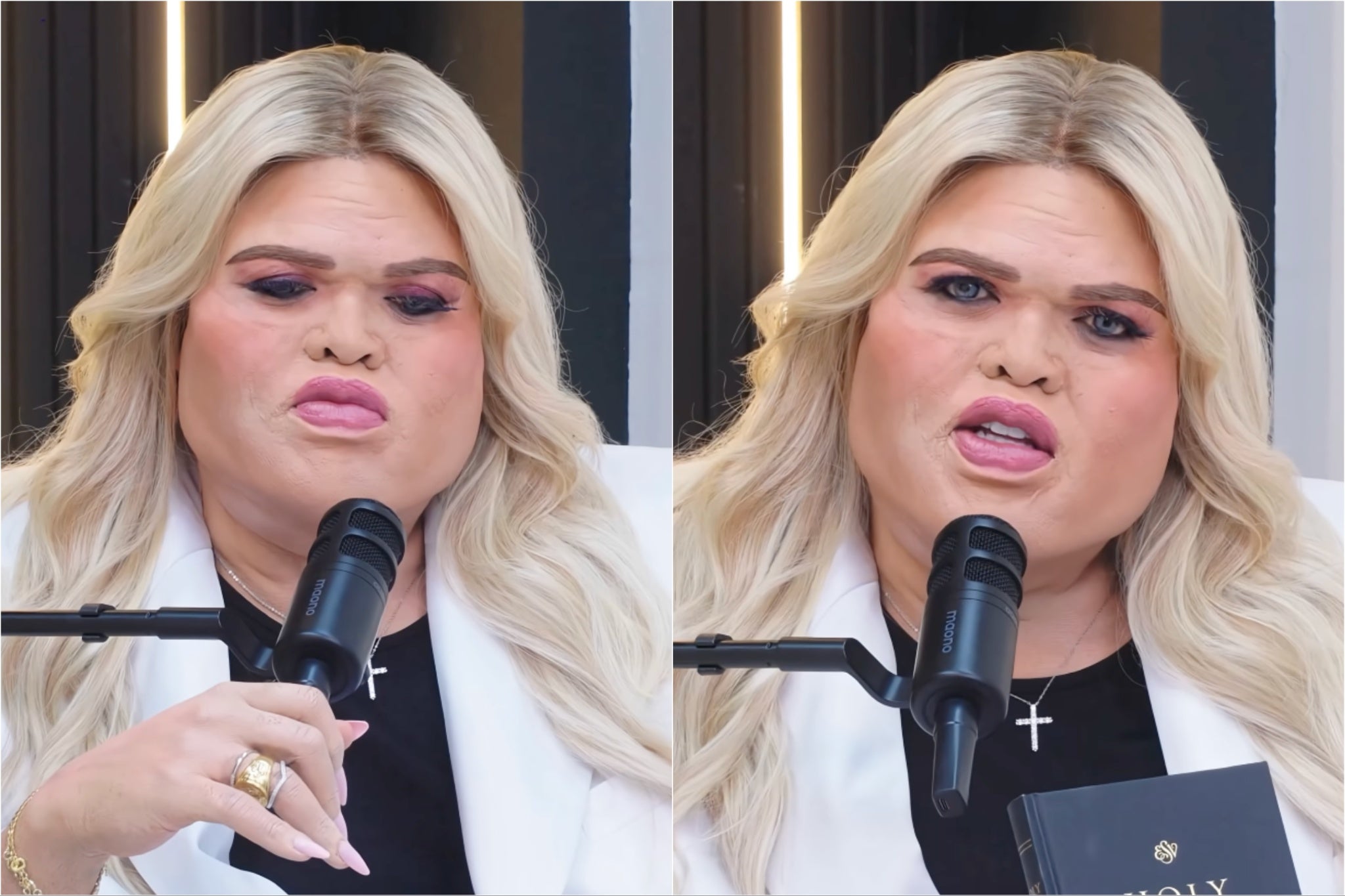
    What started as a joke has now turned into something far more serious—and a lot more complicated. When a viral parody begins flirting with legal consequences, it forces everyone to ask the same uncomfortable question: where exactly is the line between comedy and crossing the line?

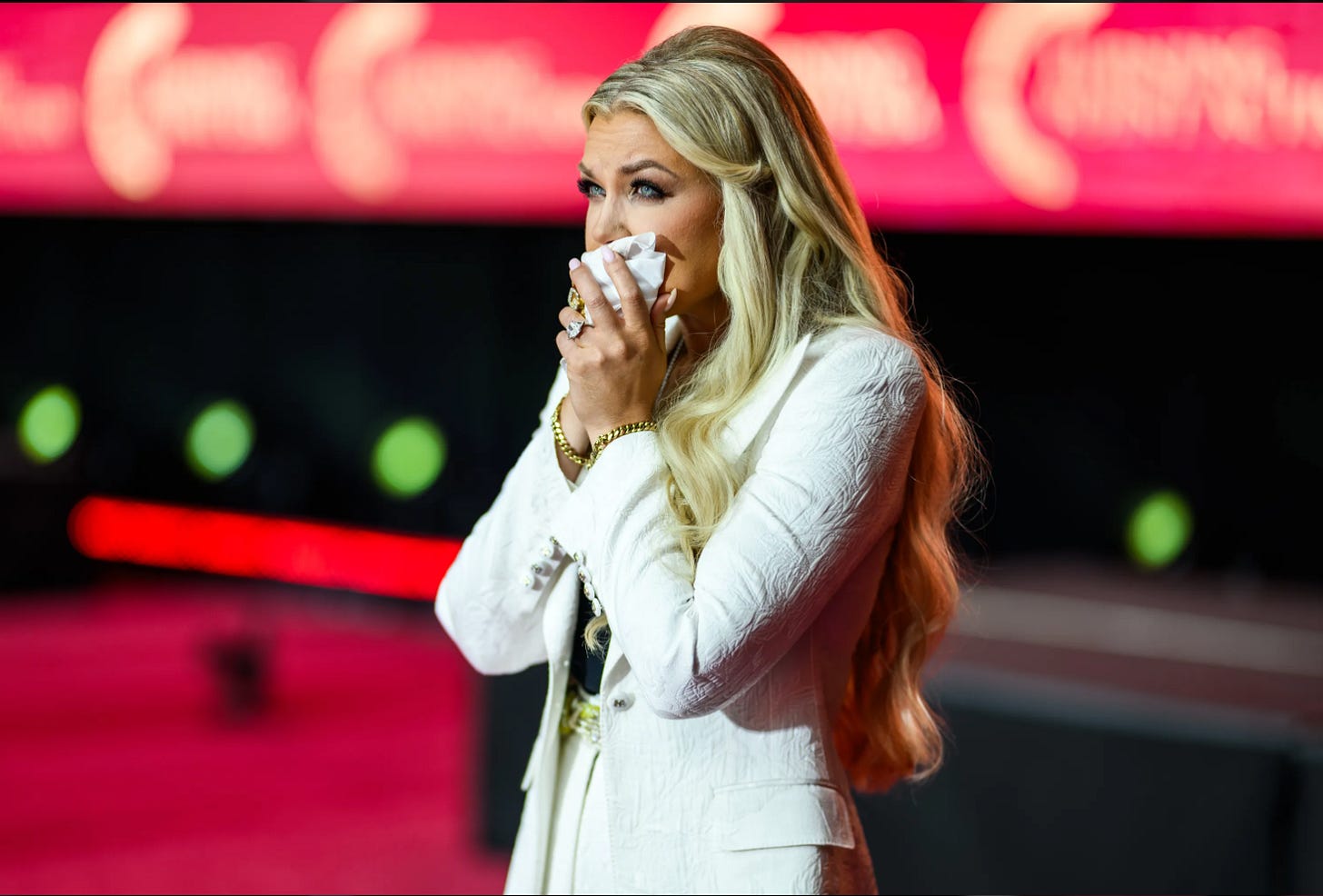
    At first glance, Druski’s impersonation of Erica Kirk looked like just another skit designed to get a few laughs. But the details were almost unsettling in how precise they were. The all-white outfit, the dramatic entrance, the subtle yet exaggerated facial expressions—half on the verge of tears, half oddly composed—the signature pauses, the slightly awkward cadence. It wasn’t just inspired by her. It felt like a near-perfect mirror. And that’s exactly what caught people’s attention.

    Druski Dresses Up As Erika Kirk in Viral 'Conservative Women' Skit

    Online reactions came fast. Some viewers laughed. Others paused. A common sentiment started circulating: this might be a little too accurate. Not just a parody—but a replication. And that distinction? It’s where things started to get messy.

    Because Erica Kirk didn’t see humor—she saw a problem.

    In her response, she made it clear that she believes the video crossed a boundary. According to her, this wasn’t harmless entertainment anymore. It was, in her words, an exploitation of her personal image, with potential legal implications tied to defamation. That statement alone shifted the entire conversation. Suddenly, what felt like internet comedy became something much heavier.

    But here’s where it gets complicated.

    Many people pushed back almost immediately. They argued that parody, by definition, exaggerates real traits. That’s the entire point. Comedians don’t invent personalities—they amplify what’s already visible. From that perspective, Druski wasn’t attacking her. He was reflecting her.

    Still, others pointed out something more nuanced. When an imitation becomes so precise that it reinforces a widely shared perception—or even a stereotype—it can start to feel less like a joke and more like a statement. And that’s where opinions begin to split.

    Because some viewers believe Erica Kirk isn’t being misrepresented at all.

    They argue that the behaviors seen in the parody—the gestures, the emotional shifts, the delivery style—are things she has already displayed publicly. In that sense, the skit didn’t create an image. It simply amplified one that already existed. And if that’s true, then the real question becomes even more uncomfortable: is the parody the issue, or is it the original behavior?

    That question becomes harder to ignore when you look at the reactions from audiences who’ve seen Erica Kirk speak in real life.

    Clips from her public appearances have circulated widely, especially moments where her speeches didn’t land the way they were intended. In some cases, students can be heard reacting—laughing, confused, or openly questioning what she’s saying. Online comments echo the same sentiment, with viewers describing her delivery as disjointed or hard to follow. Whether fair or not, these reactions have contributed to a growing public image that’s already under scrutiny.

    And once an image like that takes hold, it spreads quickly.

    Comedian Druski draws conservative backlash after dressing up as Erika Kirk  in latest parody | The Independent

    There’s also been ongoing online discussion—some of it speculative—about her broader role in politics and public influence. Reports have claimed that she holds positions tied to influential organizations and advisory boards, which only increases the attention on everything she says and does. At the same time, rumors and controversies surrounding her personal life continue to circulate, though many of these claims remain unverified.

    Still, perception matters.

    Because in the world of internet culture, perception often becomes reality. And once someone becomes a recognizable figure associated with controversy, they also become a target for commentary, criticism… and comedy.

    What makes this situation even more interesting is how it compares to other controversial public figures.

    There are individuals who face heavy criticism—sometimes for serious reasons—but still maintain a level of support. Why? Because they’re undeniably good at something. Maybe they’re compelling speakers. Maybe they deliver powerful messages. Maybe they connect with audiences in a way that feels authentic.

    That single strength often changes everything.

    It gives people a reason to overlook flaws—or at least tolerate them. But when that clear strength isn’t visible, public perception can shift in a very different direction. Criticism becomes louder. Mockery becomes more frequent. And parody starts to stick.

    Which brings us back to Druski’s video.

    The reason it spread so quickly isn’t just because it was funny—it’s because it felt familiar. Viewers recognized the mannerisms instantly. The exaggerated pauses. The emotional swings. The oddly specific gestures. It tapped into something people had already seen before, which made the humor hit even harder.

    And that’s what makes this situation so difficult to untangle.

    Because if the parody is built entirely on recognizable traits, then it raises a deeper question: can you claim harm from a reflection of your own public image?

    At the same time, Erica Kirk’s reaction highlights a growing tension in today’s digital world. Public figures are more exposed than ever. Every gesture, every speech, every moment can be clipped, shared, and transformed into content. And once that happens, control over that image becomes almost impossible.

    So when does it stop being fair game?

    That’s the part no one seems to agree on.

    Some believe she has every right to push back, especially if she feels her image is being used in a damaging way. Others see this as an overreaction—an attempt to silence criticism through legal pressure. And then there are those who think the entire situation could have been avoided altogether.

    Because sometimes, the internet doesn’t create narratives.

    It amplifies them.

    And as this situation continues to unfold, one thing is clear: this isn’t just about a parody video anymore. It’s about perception, accountability, and the blurred lines between public identity and public entertainment.

    So who’s actually in the wrong here?

    That depends on where you draw the line.

    But one thing’s for sure—the conversation isn’t over.

  • Erika Kirk and Turning Point USA just dropped The All-American Halftime Show

    Erika Kirk did not make an appearance during Turning Point USA’s All-American Halftime Show during the 2026 Super Bowl on Sunday (Feb. 8).

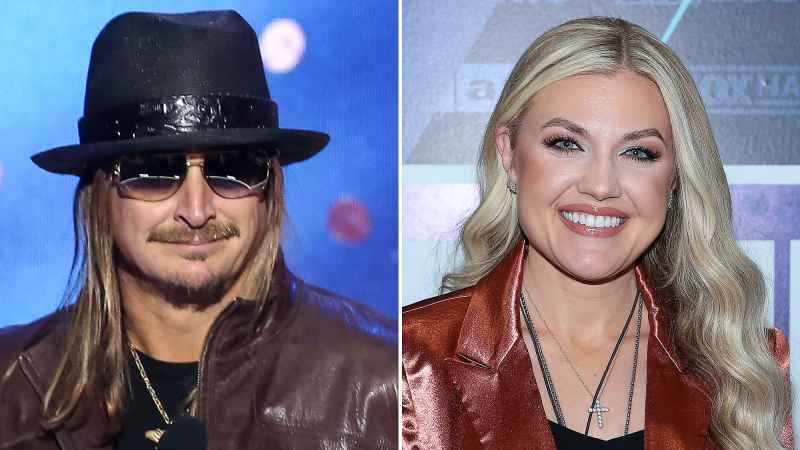
    The alternative halftime show — organized by Turning Point USA — featured performances from Kid Rock, Brantley Gilbert, Lee Brice, and Gabby Barrett, and included a tribute honoring Erika’s late husband, Charlie Kirk, the organization’s founder.

    After the event, Erika shared a message on X praising the show and those involved.

    “The @TPUSA All-American Halftime Show was so incredible. Charlie would’ve absolutely loved it,” she wrote. “Thank you to the millions that tuned in. I’m so proud of our entire team, staff, and the artists who believed in the vision and mission.”

    Read More: Erika Kirk Absent From Turning Point USA Halftime Show Tribute | https://tasteofcountry.com/erika-kirk-absent-turning-point-usa-halftime-show/?utm_source=tsmclip&utm_medium=referral

    Read More: Kid Rock Did Something No One Expected During Turning Point USA Halftime Show

    She also emphasized the values behind the event, adding, “It’s okay to love Jesus and your country.”

    Erika closed the post with a personal note: “I love you Charlie baby, this is all for you.”

    Tribute to Charlie Kirk

    During the broadcast, the show featured a tribute honoring Charlie, who was killed in September 2025 at age 31.

    A slideshow of photos featuring Charlie, Erika, and their family played on screen as a voiceover of Charlie reflected on faith, family, and purpose.

    Read More: Here’s Why Kid Rock Sang Cody Johnson’s ”Til You Can’t’ at the Turning Point Halftime

    “I want to honor God in all that I do,” Charlie said. “I want to be a great husband, a great father. I want to serve this country. I want to try to continue to lead this movement.”

    The tribute concluded with Charlie’s voice saying, “The more often that you choose the deep, the difficult, but the right path over the easy path is one that will reward you, your family and this beautiful nation.”

    Read More: Erika Kirk Absent From Turning Point USA Halftime Show Tribute | https://tasteofcountry.com/erika-kirk-absent-turning-point-usa-halftime-show/?utm_source=tsmclip&utm_medium=referral

    A title card followed that read, “In loving memory of our founder and CEO, Charlie Kirk,” accompanied by a Bible verse.

    About the All-American Halftime Show

    Turning Point USA announced its plans for an alternative halftime show in October 2025, following the NFL’s revelation that Puerto Rican singer Bad Bunny would headline the official Super Bowl halftime performance.

    Read More: Erika Kirk Absent From Turning Point USA Halftime Show Tribute | https://tasteofcountry.com/erika-kirk-absent-turning-point-usa-halftime-show/?utm_source=tsmclip&utm_medium=referral

    The organization described the event as being centered on “faith, family, and freedom.”

    The All-American Halftime Show aired ahead of the NFL broadcast and was streamed on platforms including YouTube, following a last-minute change. Turning Point USA cited licensing restrictions that prevented the show from airing on X.

    Read More: Erika Kirk Absent From Turning Point USA Halftime Show Tribute | https://tasteofcountry.com/erika-kirk-absent-turning-point-usa-halftime-show/?utm_source=tsmclip&utm_medium=referral

    Earlier this month, Erika said the event was intended to honor her husband’s memory.

    “He would be fist-pumping at this. He would be so stoked,” she said in a Fox News interview. “What better way to honor him than to be able to offer an alternative to families.”

    Read More: Erika Kirk Absent From Turning Point USA Halftime Show Tribute | https://tasteofcountry.com/erika-kirk-absent-turning-point-usa-halftime-show/?utm_source=tsmclip&utm_medium=referral

    15 Country Artists Primed to Headline a Super Bowl Halftime Show

    Any way you slice it, country music is long overdue for its time in the spotlight at the Super Bowl. Although several artists have sung the National Anthem at the game, the coveted halftime show has been anything but country for over three decades.
    The last time anyone from the genre headlined the performance was in 1994, when Clint Black, Tanya Tucker, Travis Tritt, Wynonna Judd and Naomi Judd did a medley of their biggest hits. With country music gaining in popularity, there’s no better time than now to put one of our own in the spotlight. Here are 15 artists who are already primed to take on the task.

    Read More: Erika Kirk Absent From Turning Point USA Halftime Show Tribute | https://tasteofcountry.com/erika-kirk-absent-turning-point-usa-halftime-show/?utm_source=tsmclip&utm_medium=referral

    Blake Shelton

    Lainey Wilson

    There are few artists who can command a stage like Lainey Wilson. If you’ve seen her perform live, you know she visits every piece of that platform, giving everyone in the audience the best she has. Wilson was named CMA Entertainer of the Year in 2023 and 2025, so she’s very familiar with putting on a great show. In addition, she captivated football fans when she performed during the Lions-Vikings game on Christmas Day in 2025 . The “Wildflowers and Wild Horses” singer has several collaborations with many artists who could make for some incredible guest appearances.

    Read More: Erika Kirk Absent From Turning Point USA Halftime Show Tribute | https://tasteofcountry.com/erika-kirk-absent-turning-point-usa-halftime-show/?utm_source=tsmclip&utm_medium=referral

    Luke Combs

    uke Combs

    After a successful world tour in 2023, Luke Combs certainly knows how to fill a stadium anywhere on the globe. In fact, he’ll be back at it again with a massive stadium world tour in 2026. And with back-to-back CMA Entertainer of the Year trophies, the “Where the Wild Things Are” singer will put the “entertain” in Super Bowl halftime entertainment. Combs has a large catalog of foot-stompin’, beer-drinkin’ songs that are sure to be a hit with any football fan. He also has NFL halftime experience under his belt, as he took on the mid-game festivities at the 2021 Thanksgiving matchup between the Dallas Cowboys and the Las Vegas Raiders.

    Read More: Erika Kirk Absent From Turning Point USA Halftime Show Tribute | https://tasteofcountry.com/erika-kirk-absent-turning-point-usa-halftime-show/?utm_source=tsmclip&utm_medium=referral

  • Turning Point USA’s Super Bowl halftime show pays tribute to Charlie Kirk

    Turning Point USA’s “All-American Halftime Show” took a moment to pay tribute to founder Charlie Kirk on Sunday as Kid Rock wrapped up one of his songs during the performance.

    Kid Rock was the finale for the show that saw Lee Brice, Gabby Barrett and Brantley Gilbert sing. As he was wrapping up one of his songs, photos of Kirk, his wife Erika and their children were seen on the video boards that surrounded the stage.

    “In remembrance of Charlie Kirk,” was emblazoned across the photos as the broadcast played one of the conservative activist’s speeches. Kirk was assassinated in September during a speech on the campus of Utah Valley University.

    The group delivered patriotic performances in what would counterprogram against the Super Bowl LX halftime show that featured Bad Bunny.

    “This is real American,” Gilbert said to start the show as he wore a “God, family country” T-shirt.

    The livestream on YouTube garnered more than 4.8 million viewers before the show was finished. War Department Secretary Pete Hegseth also made clear that he and his family were watching

    TRUMP CRITICS TAKE ISSUE WITH GREEN DAY’S SUPER BOWL LX PERFORMANCE

    “’The All-American Halftime Show’ is an opportunity for all Americans to enjoy a halftime show with no agenda other than to celebrate faith, family and freedom,” Turning Point USA’s Andrew Kolvet said in a news release before the program.

    the event.

    “We set out to provide an entertainment option that will be fun, excellent and exciting for the entire family while millions are gathered together for the big game. These performers will deliver exactly that, and we can’t wait to watch the incredible show they’re about to put on. We know millions around the country will be watching too.”

    Gilbert revealed before the show why he was performing.

    “I’m a songwriter who grew up, and still lives in Jackson County, Georgia, whose goal in the music business was to sell out the local theater a few miles from my house and somehow make my living writing songs,” he said in a statement.

    “I’m a recovering addict with the history of all the bad choices that come with it. I’m not proud of those choices, but I am proud of the choice I’ve made to live in another direction.

    CLICK HERE TO DOWNLOAD THE FOX NEWS APP

    “I share my story through my music in hopes that it may help and inspire others in their darkest hour. I’m a Christian, and I love our country despite its flaws. I’ve dedicated part of my life to the men and women who fight for it and the families of those who gave their life for it. Above all, I’m a proud husband and father of three.”

  • Halftime Show Drama: Turning Point USA Pulls the Plug on X Stream Hours Before Air

    The biggest Super Bowl halftime twist this year didn’t come from the NFL — it came from the show trying to compete with it.

    Just hours before kickoff, Turning Point USA announced its “All-American Halftime Show” will no longer stream on X, citing “licensing restrictions” in a sudden update that sent viewers scrambling for a new link.

    Instead, the conservative group — founded by Charlie Kirk — told fans to head to YouTube to watch the alternative halftime broadcast around 8 p.m. ET, positioning it as a “no agenda” celebration of “faith, family and freedom.”

    Turning Point USA All-American Halftime Show Announces Major Change | Us  Weekly

    And yes, the timing is the entire point: the All-American Halftime Show is direct counter-programming to the official Apple Music Super Bowl halftime show starring Bad Bunny — with TPUSA selling its version as a more “MAGA-friendly” option for the biggest TV break of the year.

    The lineup still reads like a statement even when they insist it isn’t: Kid Rock leads the show, joined by Brantley Gilbert, Lee Brice, and Gabby Barrett, and it’s also available via a web of right-leaning platforms and channels including Daily Wire+, Real America’s Voice, TBN, CHARGE!, The National News Desk, NTD.com, and OAN News.

    Kid Rock leaned into the underdog vibe, calling it “David and Goliath” — saying competing with “the pro football machine and a global pop superstar is almost impossible… “or is it?”

    Bottom line: TPUSA’s halftime “takeover” didn’t get canceled — it got rerouted, with the most viral moment arriving before the first note even played.

  • Even IRAN Knows Israel Was Behind Charlie Kirk’s Assassination!

    Charlie Kirk, a voice for young conservatives, dies at age 31 : NPR

    One animated LEGO-style video has suddenly become one of the most talked-about clips surrounding Charlie Kirk’s death. Not because of its graphics, but because of the message hidden inside. The video claims Kirk’s opposition to military escalation with Iran deserves far more attention than it has received, and that idea quickly spread across social media. Within days, commentators, independent creators, and thousands of viewers were asking the same question: was there more to the story than most people realized, or was the internet simply connecting dots that were never truly connected?

    Long before the latest online debate, Charlie Kirk had publicly expressed skepticism about expanding American involvement overseas. Supporters quickly resurfaced interviews and social media posts where he criticized the idea of another major conflict in the Middle East. Those comments led some observers to argue that his position had begun to shift away from the views held by certain foreign policy hawks. Others disagreed entirely, saying his broader political record remained strongly supportive of Israel while simply opposing another costly war. Either way, those older statements suddenly took on new significance after his death. But that was only the beginning of the discussion.

    During the conversation, host Jimmy Dore argued that the timing of Kirk’s death naturally led people to ask who might have benefited politically. Former prosecutor and legal analyst Lionel responded more cautiously, suggesting that such questions should always be examined carefully before reaching conclusions. Throughout the discussion, both men emphasized theories circulating online rather than presenting verified facts. Some internet users speculated about foreign interests, while others believed domestic political conflicts offered more likely explanations. Despite the growing attention, no publicly available evidence has confirmed any of those claims, leaving the debate fueled largely by interpretation rather than proof. And then the focus shifted toward the investigation itself.

    Charlie Kirk's Murder Exposes Toxic Blend of Dangerous Dogmas

    The conversation became even more controversial when the hosts questioned several aspects of the official investigation. They pointed to discussions surrounding the crime scene, forensic evidence, and witness testimony that have circulated online since the case began. Particular attention was given to reports that witness Lance Twiggs received immunity before providing testimony. Lionel argued that such decisions often raise legitimate legal questions, although prosecutors may grant immunity for a variety of lawful reasons depending on the circumstances. Online discussions have interpreted that decision in very different ways, but none of those interpretations have been confirmed through public court findings. That uncertainty only encouraged even more speculation.

    Attention then turned to Tyler Robinson, the man accused in the case. Rather than focusing only on the charges themselves, the hosts questioned how the investigation unfolded and whether every important detail had been fully explained. They discussed several theories circulating across social media, including suggestions that the case contained unanswered questions beyond what has been presented publicly. However, these ideas remain speculative, and no verified evidence has established the alternative scenarios described during the discussion. The hosts themselves acknowledged that much remains unknown until additional court proceedings are completed. Yet another issue soon captured even more attention.

    Lionel repeatedly returned to the legal process, arguing that certain procedural decisions appeared unusual based on his decades of courtroom experience. He questioned why specific witnesses were handled the way they were and suggested that defense attorneys should aggressively examine every available piece of evidence. Those remarks reflected his personal legal opinion rather than established fact, but they resonated with viewers already skeptical of the investigation. Others pushed back, noting that complex criminal cases often involve legal strategies that are difficult for outside observers to fully understand while proceedings remain ongoing. That disagreement continues to divide audiences watching the case unfold.

    Iran xác nhận vẫn đang trao đổi thông điệp với Mỹ

    Perhaps the most unexpected development has been the rise of the LEGO video itself. What began as a creative internet production has evolved into a symbol for people questioning the official narrative surrounding Charlie Kirk’s death. Supporters argue it raises issues they believe deserve closer examination, while critics say it encourages speculation unsupported by evidence. As more interviews, court hearings, and public commentary emerge, the online conversation continues growing instead of fading. For now, many of the biggest claims remain unverified, but the questions surrounding Charlie Kirk’s death, the investigation, and the political debate it sparked continue to keep audiences watching for whatever comes next.

  • Mortician Explains Charlie Kirk’s Post Mortem Timeline

    UNCOVER THE MIDNIGHT SECRETS OF MORTUARY CARE AND THE TRUTH BEHIND VIRAL CONSPIRACIES NOW!

    Mỹ bắt giữ nghi phạm sát hại nhà hoạt động Charlie Kirk

    The Viral Timeline Debunked

    When high-profile public figures pass away under intense national spotlight, online speculation instantly reaches an explosive fever pitch.

    A recent viral investigation video published by commentator Baron Coleman quickly began accumulating millions of views by challenging the official post-mortem timeline surrounding Charlie Kirk.

    The video raised sharp questions about how a body could move from an Orem hospital down to Salt Lake City, undergo a complete autopsy, get picked up by a funeral home, and be fully prepped for an open-casket viewing all within a single overnight window.

    To an everyday viewer sitting at home, eight short hours feels completely inadequate for such a heavy medical and administrative process.

    However, licensed professional Lauren, widely recognized across social media platforms as Lauren the Mortician, broke down every single piece of footage to expose why this seemingly impossible schedule is standard practice in mortuary science.

    Inside the Medical Examiner’s Midnight Hours

    One of the primary arguments raised by online conspiracy theorists was that state medical examiner offices strictly adhere to standard weekday business hours.

    Many armchair sleuths assumed that autopsies simply cannot take place late at night, on weekends, or during federal holidays under any circumstances.

    Lauren immediately corrected this misconception by explaining that while routine deaths might wait on a schedule, high-profile cases involving federal authorities or national security operate under entirely different protocols.

    When high-ranking government officials like the Vice President are involved in flight escorts, state pathologists are called in immediately for emergency late-night examinations.

    The actual intake process at the morgue receiving bay takes only five to ten minutes to complete.

    Transport drivers simply back their van up, unfasten the cot bag, verify the body tag, record the precise intake weight on the scale, and sign the official logbook before transferring custody.

    Charlie Kirk's widow, Erika, weeps over his casket in emotional photos

    How Autopsies Really Work Behind Closed Doors

    Another widespread cultural myth is that forensic pathologists spend hours painstakingly stitching every layer of tissue back together after an examination.

    In reality, the sole medical responsibility of the autopsy team is gathering evidence, measuring organs, collecting toxicology samples, and documenting the official cause of death.

    Once the internal investigation wraps up, pathologists place the organs into a heavy-duty protective viscera bag and return them directly into the chest and abdominal cavity.

    The team then performs a rough, loose primary suture down the torso to close the body bag securely.

    They do not spend time doing precise cosmetic stitching or fine reconstructive work because they do not know whether the family plans on choosing traditional burial, cremation, or tissue donation.

    The tedious responsibility of total structural reconstruction, deep sanitization, and aesthetic preservation falls exclusively on the licensed embalmer back at the funeral home prep room.

    The Complex Science of Post-Autopsy Embalming

    Embalming an autopsied body is universally recognized within mortuary science as one of the most technical and labor-intensive procedures a director can perform.

    Because internal blood vessels and primary arteries are severed during a post-mortem exam, an embalmer cannot simply inject preservative fluid through a single central point to embalm the whole body at once.

    Instead, the mortician must individually locate, isolate, and inject fluid into each leg, each arm, and both sides of the neck separately.

    Each limb requires focused arterial pressure, controlled fluid strength, and constant manual massage to ensure proper distribution through every layer of tissue.

    Additionally, the internal organs inside the viscera bag must be treated with high-concentration cavity chemicals to prevent post-mortem decomposition.

    This intense preservation process easily takes several hours of non-stop work in the prep room, often executed by dedicated night-shift embalmers working straight through three or four in the morning.

    High-Profile VIP Protocol and Rapid Transport

    Charlie Kirk's widow, Erika Frantzve, bravely acknowledges supporters as  activist's casket arrives in Arizona

    When grieving families must coordinate interstate travel alongside VIP security detail, standard funeral schedules are compressed to meet strict aviation departure windows.

    Funeral homes rely on twenty-four-hour specialized answering services to handle urgent communication across different state lines without delay.

    In high-stakes scenarios, an out-of-state funeral home in Arizona will contract directly with a local Utah establishment to handle the initial late-night pickup and heavy embalming.

    Once the body is fully embalmed and dressed, private family viewings at the chapel are strictly scheduled in focused thirty-to-sixty-minute sessions.

    Funeral directors carefully plan every single minute so that the motorcade, hearse, and family limousines arrive together on the airport tarmac without causing security delays for Air Force Two.

    What external observers view as a suspicious rush job is actually highly synchronized, professional logistical planning executed under massive pressure.

    Solving the Mystery of Casket Presentation and Makeup

    Internet sleuths quickly fixated on minor aesthetic details from leaked photographs, pointing out an orange hue on the hands and questioning why the arms rested straight along the torso instead of folded over the chest.

    Lauren addressed these cosmetic concerns by explaining that mortuary makeup application on an autopsied individual often occurs under extreme time constraints.

    When a mortician has less than an hour to complete cosmetic restoration before transport vans load up, hand cosmetics might receive a rapid dusting rather than an elaborate airbrush finish.

    Furthermore, there is no rigid industry rulebook dictating that every single body must have hands folded across the midsection.

    For individuals with broad shoulders or larger frames, resting the hands lower along the waistline creates a far more comfortable, peaceful, and natural posture.

    Unusual clothing details, missing wedding rings, or uncharacteristic suit ties simply reflect urgent family decisions or emergency clothing deliveries brought in by traveling assistants.

    Why Armchair Theorists Get Post-Mortem Care Wrong

    The vast majority of the public never steps inside a working mortuary prep room or interacts with forensic staff behind closed morgue doors.

    Without professional education in mortuary science, standard operational procedures can easily look bizarre, unnerving, or fake to an untrained observer.

    Lauren stresses that educating the public on funeral science is vital for clearing up viral misinformation and easing societal anxiety around death care.

    Every single minute of Charlie Kirk’s post-mortem timeline falls cleanly within realistic physical capabilities when emergency funeral resources are deployed.

    Rather than proving a conspiracy or cover-up, the accelerated timeline demonstrates the incredible dedication of morticians working non-stop through the night to serve a family in grief.

  • Candace Owens Just Went NUCLEAR Over Charlie Kirk’s Hidden Burial

    Erika Kirk and Candace Owens meet amid an escalating feud over Charlie  Kirk's assassination | CNN Politics

    THE TRUTH BEHIND HIGH PROFILE TRAGEDIES RARELY STAYS BURIED IN THE DUST FOR VERY LONG.

    A Sudden Shift in the Official Narrative

    Political commentary across the nation took a terrifying turn when Candace Owens raised disturbing questions regarding the immediate aftermath of Charlie Kirk’s tragic assassination.

    Public statements from official representatives attempted to downplay any dramatic shifts in religious direction during his final days.

    Spokespersons stepped forward on major media platforms to insist that no official conversion had occurred before his sudden passing.

    Yet internal communications and private messages tell a vastly different story about what actually occurred behind the scenes.

    Insiders reveal that high priority efforts were executed to shape public perception instantly before rumors could spread.

    Unedited video footage and subtle editorial cuts suggest high stakes coordination between key leadership figures during public media appearances.

    When public accounts conflict so directly with private actions, common sense demands a much deeper investigation into the actual timeline.

    The media apparatus moved with extraordinary speed to control every single aspect of the story.

    Yet critical observers immediately noticed the glaring inconsistencies in their carefully crafted statements.

    The Refusal at the First Funeral Home

    The sudden moving of a body between different facilities is exceptionally rare in traditional funeral proceedings.

    Credible reports and internal text messages indicate that Hansen funeral services flatly declined involvement in the proposed arrangements.

    The core point of friction centered around a direct request to perform a mock burial ceremony.

    A mock ceremony involves carrying out a full casket service when no actual earth burial will take place afterward.

    Because the initial facility refused to execute these specific parameters, organizers were forced to quickly shop around elsewhere.

    The entire operation was then transferred to a Catholic facility with deep personal connections to the inner circle.

    This sudden relocation raises fundamental questions about why standard burial procedures were bypassed entirely.

    A reputable funeral home does not simply turn away major clients without a profound operational or ethical reason.

    The refusal of Hansen funeral home serves as the first major crack in the official story.

    The Closed-Door Ceremony and Unmarked Fate

    Charlie Kirk Day of Remembrance' passes Florida House committee | WUSF

    On the day of the formal service, prominent national figures gathered around a tightly closed casket.

    Family members, political allies, and high net worth donors paid their final respects in what appeared to be a traditional farewell.

    However, all attendees were abruptly asked to leave before any physical lowering of the casket occurred.

    No actual grave was excavated at the site prior to or during the event.

    Mourners were instructed to clear the area while organizers claimed the body would be placed in an unmarked location.

    The official rationale cited overwhelming fears of potential vandalism or desecration by radical political opponents.

    Yet prominent presidents, controversial politicians, and global leaders throughout history have always maintained public, verifiable burial sites without incident.

    To suggest that Kirk required total secrecy beyond that of world leaders defies basic logic and historical precedent.

    The guests were shuttled away to a private luncheon, leaving the true fate of the body complete mystery.

    Strict Non-Disclosure Agreements and Hidden Ceremonies

    Enforcing non-disclosure agreements for attendees at a family memorial service remains virtually unheard of within modern traditions.

    Reports indicate that close family and friends faced strict legal terms surrounding their participation in the proceedings.

    This level of legal enforcement mirrors previous high profile media deaths where secrecy completely overrode public transparency.

    When key witnesses are bound by legal silence under penalty of law, verifying the physical reality of the burial becomes impossible.

    The contrast between public evangelical declarations and a closed door Catholic mass creates undeniable friction.

    Such extraordinary legal measures naturally feed growing suspicion among independent researchers tracking every detail of the case.

    Why would a grieving family require non-disclosure agreements unless key facts were being actively hidden from the public?

    The imposition of legal gag orders transforms a personal tragedy into a covert operation.

    Echoes of Secret Rites and Industry Rituals

    Analyst commentary surrounding the event quickly drew direct comparisons to historical esoteric practices and secret society rituals.

    Across various high stakes industries, secretive ceremonies and hidden pacts have long been documented by courageous insiders.

    Former prominent figures from the entertainment and music worlds have openly testified to the transactional nature of extreme modern success.

    These testimonies often describe symbolic offerings, numerical alignments, and strict obligations enforced by powerful cabals.

    When high profile events feature strict numerical timing, symbolic hand gestures, and missing camera coverage, observers draw obvious connections.

    The mysterious atmosphere surrounding Kirk’s final disposition fits a much broader pattern seen across global media networks.

    Independent commentators note that the positioning, timing, and calculated secrecy mirror ancient ceremonial protocols rather than Christian traditions.

    The pattern of silence, symbolic gestures, and hidden remains points toward forces operating far outside standard public awareness.

    The Unanswered Questions and the Search for Truth

    What's Driving Trump's Christian National Crusade Against America

    The public continues to demand answers as to why basic transparency was denied during such a monumental national moment.

    A country recovering from a massive political loss deserves clear, verifiable facts rather than covert maneuvers and legal threats.

    Proceeding with cremation or non-traditional arrangements prior to concluding a full, independent investigation raises significant legal concerns.

    As more internal text messages, whistleblower reports, and investigative findings emerge, the initial cover story crumbles under scrutiny.

    Journalistic integrity demands that every anomaly—from the refused funeral home to the closed casket—be thoroughly examined.

    The truth behind this hidden burial remains one of the most explosive and deeply disturbing political exposes of our time.