Category: Uncategorized

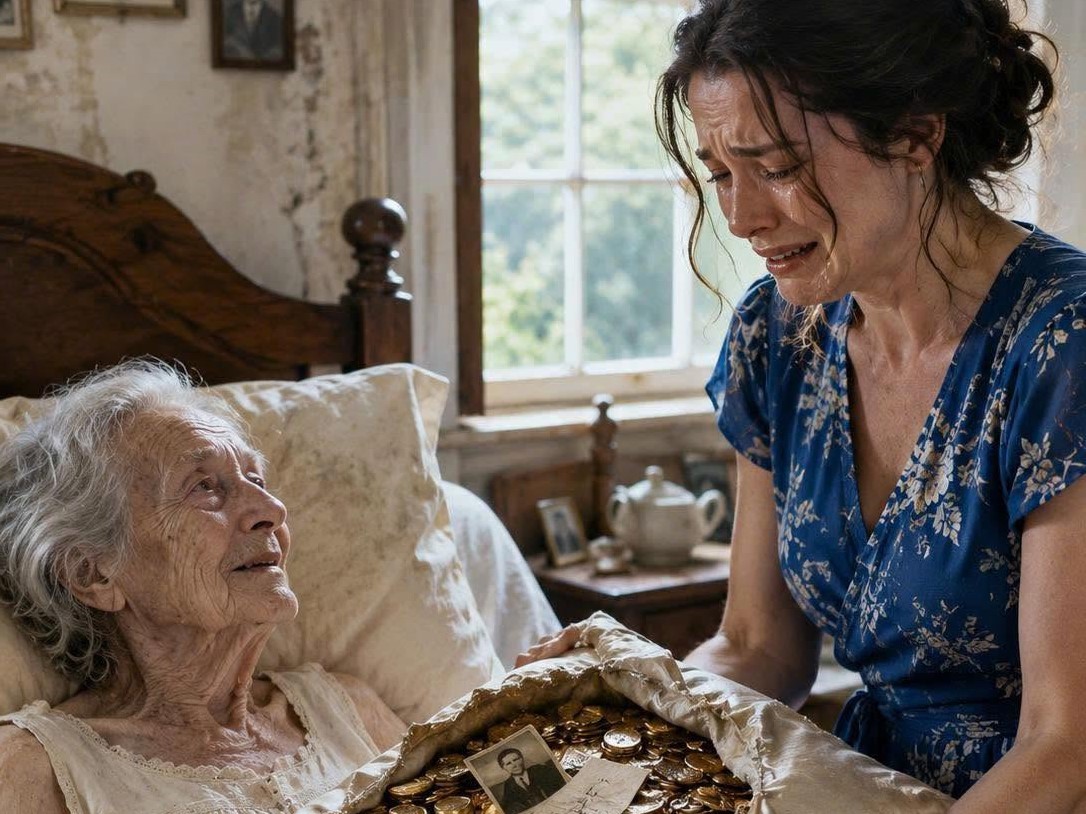
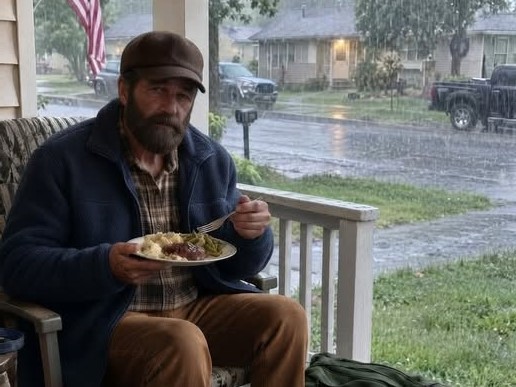
  • A Homeless Man Took Shelter on My Porch for One Night, but What He Left Behind Brought Me to Tears  

    A Homeless Man Took Shelter on My Porch for One Night, but What He Left Behind Brought Me to Tears  

    WHAT HE LEFT BEHIND

    My name is Martha, and for the last two years, I’ve been learning how to live with less.

    Not because I suddenly discovered minimalism or decided that a simpler life was somehow more meaningful.

    I learned because I had no other choice.

    By the time my divorce was finalized, I understood that the life I had spent more than twenty years building rested on financial decisions I had barely understood.

    I had trusted my husband, Daniel, to handle the money.

    The accounts.

    The mortgage.

    The paperwork.

    I handled Lily, our daughter, the house, the schedules, school activities, appointments, meals, and all the invisible pieces that kept a family functioning.

    For twenty-one years, that division of responsibility had seemed reasonable.

    Until it wasn’t.

    When the marriage ended, I discovered that trust and protection were not the same thing.

    Daniel had prepared for the divorce long before I even realized our marriage was ending.

    He had the better attorney.

    He understood where the money was.

    He knew which documents mattered.

    I did not.

    By the time everything was settled, my eight-year-old daughter and I had about eight hundred dollars, a car with two years remaining on the loan, and nowhere permanent to live.

    Daniel kept the house.

    Continuing the legal fight would have cost more than I could afford, and my attorney finally told me something I already suspected.

    Even if I kept fighting, I might spend more than I could ever recover.

    So I stopped.

    Not because it felt fair.

    Because sometimes survival requires knowing when fairness has become too expensive.

    I found a small duplex in late October.

    The landlord, Grace, was a practical woman who had owned the property for years. Instead of looking only at my credit score, she listened when I explained what had happened.

    I told her I had recently divorced.

    I told her most of our financial history had been under Daniel’s name.

    I told her I worked in the administrative office of the local school district and that, as long as nothing unexpected happened, my income was enough to cover the rent.

    Grace rented the duplex to me.

    I have never forgotten that kindness.

    The place wasn’t large.

    Two bedrooms.

    One bathroom.

    A narrow kitchen.

    A modest living room.

    And a covered porch stretching across the front.

    That porch became my favorite part.

    On warm Friday evenings, Lily and I would carry our dinner outside and sit together watching cars pass beneath the old elm trees lining the street.

    Our new life was smaller.

    But it belonged to us.

    There was something unexpectedly peaceful about that.

    Two years passed.

    Lily was ten now.

    She had adjusted better than I feared she would.

    She had friends at school, a teacher she adored, and a bedroom she had decorated in several carefully selected shades of purple.

    She rarely asked about Daniel.

    When she did, I gave her the truth a ten-year-old could carry.

    Her father loved her.

    Adults sometimes made decisions that hurt people.

    And somehow, our new life would still become a good one.

    I hoped that last part was true.

    One Thursday evening near the end of summer, a storm rolled into town.

    It had been unbearably humid all afternoon.

    By dinner, the sky had turned that strange yellow-green color that warns you something serious is coming.

    The wind rose.

    Tree branches twisted.

    Then the rain began.

    Lily was spending the weekend with Daniel, so the duplex felt unusually empty.

    I was going from room to room closing windows when I noticed someone across the street.

    An elderly man stood beneath one of the elm trees.

    Even from my window, I could tell he was probably in his seventies.

    His shoulders were slightly bent, and he stood with the careful stillness of someone trying not to be noticed.

    He was completely soaked.

    The rain had already been falling hard for nearly twenty minutes.

    He held an old backpack tightly against his chest.

    Something about the way he protected that backpack told me it contained nearly everything important to him.

    I opened the front door.

    “Sir?”

    He looked up.

    For a moment, he seemed uncertain whether I was actually speaking to him.

    “You can come inside,” I called. “I have a couch.”

    He shook his head.

    I offered again.

    He refused again.

    He wasn’t rude.

    Quite the opposite.

    There was something painfully polite about him, as though years of difficulty had taught him to apologize simply for existing in someone else’s space.

    Then he looked toward my porch.

    “Would you mind if I stayed there until the rain lets up?”

    The porch was covered.

    At least he would be dry.

    “Of course.”

    I brought him two cushions, a towel, and the warmest blanket I owned.

    It was a quilt my mother had made years earlier, one of the few things from my old life that had unquestionably belonged to me after the divorce.

    Then I went back inside and warmed some chicken soup I had cooked that afternoon.

    Cooking had become one of the things I did when loneliness felt too loud.

    When I carried the bowl outside, he stared at it for several seconds before accepting it.

    Then he looked at me.

    “You’ve probably got enough problems without taking care of an old man.”

    He wasn’t wrong.

    Rent was due soon.

    The car payment was coming.

    Lily needed school clothes.

    Rumors about budget cuts had started circulating at work, and I had no idea whether my position was secure.

    Still, I smiled.

    “Tonight,” I said, “I have enough for both of us.”

    And I meant it.

    Later, I went inside.

    I read for a while before bed while rain drummed against the porch roof.

    I kept thinking about the stranger outside.

    A bowl of soup.

    A dry porch.

    A blanket.

    None of it was much.

    But it was something I could give.

    That night, strangely enough, I slept better than I had in weeks.

    The next morning, I made coffee and poured an extra cup.

    I opened the front door expecting to find him sitting outside.

    The porch was empty.

    My mother’s quilt rested neatly folded on the doormat.

    Not casually folded.

    Precisely folded.

    The corners were carefully aligned.

    The fabric had been smoothed flat.

    I bent down to pick it up.

    That was when I noticed an envelope beneath the mat.

    On the front, someone had written one word.

    Martha.

    Inside was a single sheet of paper.

    Wrapped inside that paper was an old brass key.

    A small cardboard tag was tied to it with twine.

    There was an address written on the tag.

    A town about forty minutes away.

    Underneath it were five words.

    **Small box. Bottom shelf.**

    I sat down on the porch steps and unfolded the letter.

    The man’s name was Albert.

    He explained that he had spent the previous eight months moving between shelters, porches, and places outdoors after his daughter-in-law changed the locks on the house where he had been staying.

    His son had not stopped her.

    Albert wrote that he wasn’t telling me because he wanted sympathy.

    He simply wanted me to understand that he had not always been a man carrying his life inside an old backpack.

    For forty years, he had owned a small hardware store.

    Nothing glamorous.

    Just the kind of neighborhood store where customers were known by name and broken things were repaired whenever possible.

    Then his wife, Estelle, became ill.

    Albert sold the business to help cover expenses that insurance would not.

    He wrote that he had never regretted it.

    They had been married forty-three years.

    Estelle died two years earlier.

    His relationship with his son had become complicated afterward.

    His daughter-in-law never particularly liked him.

    Eventually, she changed the locks.

    Albert chose not to fight because he did not want to force his son to choose between his father and his wife.

    His son never asked him to come back.

    So Albert kept moving.

    Then he explained the key.

    Before Estelle died, they rented a storage unit.

    Albert continued paying for it afterward because he could never bring himself to sort through the things inside.

    Even while sleeping in shelters and outdoors, he continued paying that monthly bill.

    He simply wasn’t ready to let Estelle’s belongings go.

    But while sitting beneath my porch listening to the storm, something changed.

    He became ready.

    There was nothing in the storage unit he believed he needed anymore.

    But there was something he thought I might need.

    A leather notebook.

    Estelle had kept it for decades.

    She called it her recipe book, although according to Albert, recipes were only part of what she had written inside.

    The notebook contained everything she knew about surviving difficult times.

    How to stretch money.

    How to cook when the pantry was nearly empty.

    How to keep going when everything felt uncertain.

    How to make something useful from almost nothing.

    Albert wrote that if I had a daughter, maybe she would want the notebook someday too.

    The storage unit was already paid through the end of the year.

    Everything inside could be kept, donated, discarded, or given away.

    Then came the line that stopped me.

    He wrote that I had shown him kindness without knowing anything about him.

    And kindness offered without knowing whether someone can repay it, he believed, was the purest kind.

    He ended the letter with five words.

    **I hope your worries get smaller.**

    Albert.

    I sat on the porch for a long time.

    The storm had passed.

    Sunlight clung to drops of water on the elm leaves.

    Neighbors walked dogs.

    Cars drove past.

    Everything looked completely ordinary.

    Yet I was holding a key left behind by a seventy-four-year-old man who had spent eight months carrying his life in a backpack.

    That morning, I drove to the address.

    The town was small, the sort of place modern highways had largely passed by.

    The storage facility stood near the edge of town behind a chain-link fence.

    Rows of orange doors stretched across the property.

    I found Albert’s unit.

    The key fit perfectly.

    When I rolled open the door, morning sunlight spilled into a space about eight feet by ten feet.

    There wasn’t treasure inside.

    There were wooden chairs.

    Boxes of books.

    Old kitchen items.

    A sewing machine inside a wooden case.

    Household objects from a life that had once occupied more space.

    Then I saw several boxes labeled in handwriting different from Albert’s.

    Smaller.

    Faster.

    More compact.

    I knew immediately.

    Estelle.

    On the bottom shelf sat a small wooden box.

    I opened it.

    Inside was the notebook.

    Burgundy leather.

    Soft from years of use.

    Thick with handwritten pages.

    I opened the cover.

    The first page read:

    *If you are reading this, I hope you needed it.*

    Estelle explained that writing things down had always seemed more useful for other people than for herself because she had already learned those lessons.

    Someone else might still be learning them.

    Then she added an invitation.

    Write in the margins.

    The book becomes better when more voices are added.

    I sat in one of the wooden chairs and began reading.

    Albert had been right.

    There were recipes.

    Chicken soup.

    Bread.

    Stews.

    Meals designed to turn inexpensive ingredients into enough food for a family.

    Her instructions weren’t precise in the modern cookbook sense.

    A handful.

    Cook until it smells right.

    Stop when you know it’s done.

    One note beside a soup recipe made me smile.

    Soup, Estelle had written, is what you make when you have almost nothing, because soup never pretends to be anything other than what it is.

    But the notebook contained much more than food.

    There were pages about money.

    Not motivational slogans.

    Not cheerful advice about abundance.

    Practical knowledge.

    What to do when rent was short.

    How to choose between two necessary expenses when you could afford only one.

    How to explain financial difficulty to children without making them responsible for adult fear.

    How to continue when you genuinely did not know what came next.

    One sentence said:

    **When you don’t know how to keep going, keep going anyway. The movement teaches you what comes next.**

    Another said:

    **What belongs to you belongs to you because of the work you invested in it, not because someone gave you permission to keep it. Someone may take the object, but they cannot take the work. And with the work, you can build again.**

    I read that sentence three times.

    I thought about Daniel.

    The house.

    The eight hundred dollars.

    The suitcases.

    Driving away with Lily asleep in the backseat.

    The two years since.

    I thought about rent.

    School clothes.

    My uncertain job.

    Then I thought about the soup I had cooked the afternoon before.

    Something I made because I didn’t know what else to do with my loneliness.

    Maybe that was what Estelle meant.

    Making something from almost nothing.

    I took the notebook home.

    For several days, I wondered whether I should search for Albert.

    I knew only his first name.

    I contacted the shelter in town and described him.

    The woman at the desk explained that she couldn’t disclose information about current or former residents.

    I understood.

    But she agreed to pass along a message if he appeared.

    My message was simple.

    **The soup was the best thing I’d made in a long time too. Thank you for Estelle’s book.**

    I didn’t know if Albert would ever hear it.

    Lily returned from Daniel’s house on Sunday.

    That evening, we ate soup together.

    After dinner, I showed her Estelle’s notebook.

    I told her everything.

    The storm.

    Albert.

    The porch.

    The folded quilt.

    The envelope.

    The key.

    The storage unit.

    She listened without interrupting.

    When I finished, Lily looked at the notebook.

    “She wrote everything down?”

    “Everything she thought mattered.”

    “So it wouldn’t disappear?”

    “Yes.”

    She carefully read Estelle’s introduction.

    Then she looked at me.

    “She says to write in the margins.”

    “I know.”

    “Are we going to?”

    I smiled.

    “Eventually. First, I think we should listen to her.”

    Lily nodded.

    Then her expression changed.

    “Do you think Albert is okay?”

    “I hope so.”

    She thought about him for several seconds.

    “He kept paying for the storage unit even though he didn’t have a house.”

    “Yes.”

    “Because he couldn’t let her things go.”

    “Not yet.”

    “But then he could.”

    “Yes.”

    Lily looked at the notebook again.

    Then she said something that surprised me.

    “We should do something.”

    “What kind of something?”

    “Something good. Because Albert did something good for us. Then we do something good for somebody else. Like a chain.”

    “What do you have in mind?”

    “The shelter.”

    I waited.

    “We could make soup,” she said. “We’re good at soup.”

    The next morning, we called.

    A woman named Ruth managed food donations.

    She explained exactly what they needed and how much they could accept.

    What mattered most, she told me, was consistency.

    One large donation was nice.

    Someone reliably returning was better.

    So that Thursday, Lily and I pulled out the largest pot I owned.

    We followed Estelle’s chicken soup recipe.

    A handful of this.

    A little of that.

    Cook until it smells right.

    Lily decided when it smelled right.

    Friday morning, we delivered it before school.

    Ruth met us behind the shelter.

    She inspected the pot.

    “Good amount,” she said.

    Then she looked at Lily.

    “You can come back anytime.”

    Lily smiled.

    “We will.”

    On the drive to school, she stared out the window quietly.

    Then she said,

    “Mom?”

    “Yes?”

    “Albert didn’t have to give us anything.”

    “No.”

    “He could’ve eaten the soup, slept on the porch, and left.”

    “He could have.”

    “Then why didn’t he?”

    I considered the question.

    “I think he’d been carrying something for a long time and finally became ready to put it down. And maybe the person he wanted to give it to appeared at the right moment.”

    “The storm brought him to our porch.”

    “Maybe.”

    “And you made soup because you didn’t know what else to do.”

    “Yes.”

    She frowned thoughtfully.

    “That’s a lot of things that had to happen.”

    “It is.”

    After another moment, she smiled.

    “I think Estelle would like that we made soup.”

    When we returned home that afternoon, the notebook was lying open on the kitchen table.

    A bread recipe.

    I picked up a pen.

    For the first time, I wrote in one of Estelle’s margins.

    **A ten-year-old made this and knew exactly when it smelled right. Estelle was correct. Somehow, you know.**

    Then beneath that, I added:

    **A man named Albert gave us this book. We’re trying to deserve it.**

    Nothing about my practical situation had magically changed.

    Rent was still approaching.

    School clothes still needed to be purchased.

    My job was still uncertain.

    But something inside the landscape had shifted.

    I had Estelle’s notebook.

    I had Lily standing beside a pot deciding when soup smelled right.

    I had Ruth opening the shelter’s kitchen door.

    I had a storage unit paid through December filled with things I could decide how to use.

    And somewhere, I hoped, Albert had found another dry porch.

    Maybe even another bowl of soup.

    For the first time in a long while, I realized I didn’t have nothing.

    I had thought I was barely holding on.

    But barely holding on is still holding on.

    And sometimes the word *barely* contains more strength than we realize.

    Six weeks later, my phone rang while I was working.

    It was Ruth.

    She told me a man named Albert had arrived at the shelter the week before.

    He had asked whether anyone had left a message for him.

    Ruth gave him mine.

    Albert asked for a pen.

    Then he wrote something for her to pass back to me.

    Ruth read it over the phone.

    He said he was happy we enjoyed the soup.

    He hoped Estelle’s notebook was useful.

    According to him, Estelle had always believed that every recipe was simply the beginning of a conversation.

    Then came the part that mattered most.

    Albert was staying at the shelter for a while.

    They had beds.

    There was honest work available.

    And he was helping in the kitchen.

    Ruth apparently believed he made excellent stock.

    At the end of the note, he repeated:

    **I hope your worries have gotten smaller.**

    I didn’t cry.

    I had cried when I found his first letter.

    I had cried while sitting inside the storage unit reading Estelle’s notebook.

    But this time, I simply stood in the hallway outside my office feeling something settle into place.

    Albert was making stock.

    He had a kitchen.

    He had somewhere to be.

    I texted Lily during her lunch break.

    **Albert is at the shelter. He’s helping in the kitchen.**

    Her answer arrived almost immediately.

    **I TOLD YOU HE WOULD BE OKAY.**

    Then came three soup emojis.

    Our attempts at Estelle’s bread required more patience.

    The first loaf was too dense.

    Estelle had anticipated this possibility.

    One handwritten note warned:

    *If the bread doesn’t rise, blame either the yeast or your patience.*

    The yeast was new.

    So apparently, our patience was the problem.

    The second loaf improved.

    The third loaf came out golden brown.

    Lily stared at it through the oven door.

    “That’s the color,” she announced.

    We ate it warm with butter.

    I added another note to the notebook.

    **Third attempt. Lily was right about the color. This is the bread.**

    In September, I returned to the storage unit with my friend Diane and a rented truck.

    We gave the wooden table and chairs to a family moving into their first apartment.

    They fit perfectly in the small kitchen.

    I kept the sewing machine.

    I don’t know how to sew.

    At least not yet.

    But Estelle had written an entire section about mending.

    Some things, she explained, should be repaired because replacing them costs too much.

    Other things should be repaired simply because they are worth saving.

    The important part is learning how to tell the difference.

    I suspect she wasn’t only talking about fabric.

    Lily and I sorted the books during two weekends in October.

    Some we kept.

    Many went to the shelter.

    Then I opened the boxes containing Estelle’s personal belongings.

    She had saved old recipes clipped from newspapers.

    Photographs.

    Small objects that probably meant very little to strangers and everything to the people who had once held them.

    There was also a bundle of letters tied with twine.

    I didn’t open them.

    Some things remain private even when ownership becomes complicated.

    I carefully packed the photographs and letters and sent them to Albert through the shelter.

    One week later, a postcard arrived.

    On the front was a snowy mountain landscape.

    On the back, Albert had written:

    The photographs arrived.

    Thank you.

    He had forgotten, he said, that he still possessed a photograph of Estelle’s face.

    He placed his favorite one on the windowsill beside his bed.

    I pinned the postcard to the board in our kitchen.

    Beside it, I added one of Estelle’s sentences.

    **What they take is the object. The work remains yours.**

    Slowly, my own worries did begin changing.

    Not disappearing.

    Changing.

    Lily’s school clothes worked out.

    A late-summer sale arrived at exactly the right time.

    She got the green jacket she desperately wanted, along with new jeans and the boots she had researched with the seriousness of someone preparing a major investment proposal.

    My job survived the budget cuts.

    There was no dramatic announcement.

    One week, everyone simply stopped speaking in worried whispers.

    The atmosphere returned to normal.

    I still paid attention.

    I had learned the danger of not paying attention.

    But for now, I was safe.

    Then something happened that would have seemed insignificant to almost anyone else.

    I opened a savings account.

    Only my name appeared on it.

    The amount inside was small.

    Very small.

    But it came from my paycheck.

    My work.

    My decisions.

    No husband.

    No shared authorization.

    No one else who could quietly rearrange my financial life while I trusted them.

    When the woman at the bank handed me the paperwork, I signed it.

    She asked if I had questions.

    I said no.

    Then I walked outside, sat in my car, and stared at the documents for several minutes.

    I thought about Estelle.

    **The things that are yours are yours because of the work you put into them.**

    Yes.

    Exactly.

    Lily began visiting the shelter on Fridays whenever school and schedules allowed.

    She wanted Ruth to teach her kitchen work.

    More specifically, she wanted to learn Albert’s stock recipe.

    Ruth described his technique as slow and very particular about temperature.

    That sounded exactly like him.

    Albert remained at the shelter.

    Ruth respected his privacy and never shared much, but occasionally she gave us small updates.

    He was doing well.

    He seemed less tired.

    He had taught several other residents how to make proper stock.

    I often thought about the night he stood beneath the elm tree.

    The storm.

    My porch.

    The soup.

    My mother’s quilt.

    His letter beneath the doormat.

    His wish that my worries would grow smaller.

    They haven’t completely.

    Rent still arrives every month.

    Cars still need repairs.

    School expenses appear.

    Jobs can change.

    Life remains uncertain.

    But perhaps my worries did not need to become smaller.

    Perhaps I needed to become stronger.

    There is a difference between reducing the weight and strengthening the person carrying it.

    Estelle understood that.

    Her notebook sits on my nightstand now.

    Most evenings, I read a page before sleeping.

    Sometimes I write in the margins.

    Sometimes Lily gets there first.

    Her handwriting looks exactly like what it is—the handwriting of a ten-year-old learning how to make stock, wait for bread to rise, and recognize when something is finished.

    The first page still says:

    **If you are reading this, I hope you needed it.**

    I did.

    I still do.

    I suspect I will for many years.

    Outside our duplex, the elm trees are bare now.

    Winter has arrived.

    But sometime next spring, green leaves will return.

    No one has promised me that personally.

    Still, I believe it.

    I count on it.

    And maybe that is where I am now.

    Not certain.

    Not fearless.

    Not wealthy.

    Not completely healed.

    Just willing to count on the green returning.

    Considering where I started, that is not a small thing.

    I think Estelle would understand.

    Albert would too.

    And somehow, I think they would both be pleased.

    So am I.

    Not loudly.

    Not dramatically.

    But quietly.

    And these days, quietly is enough.
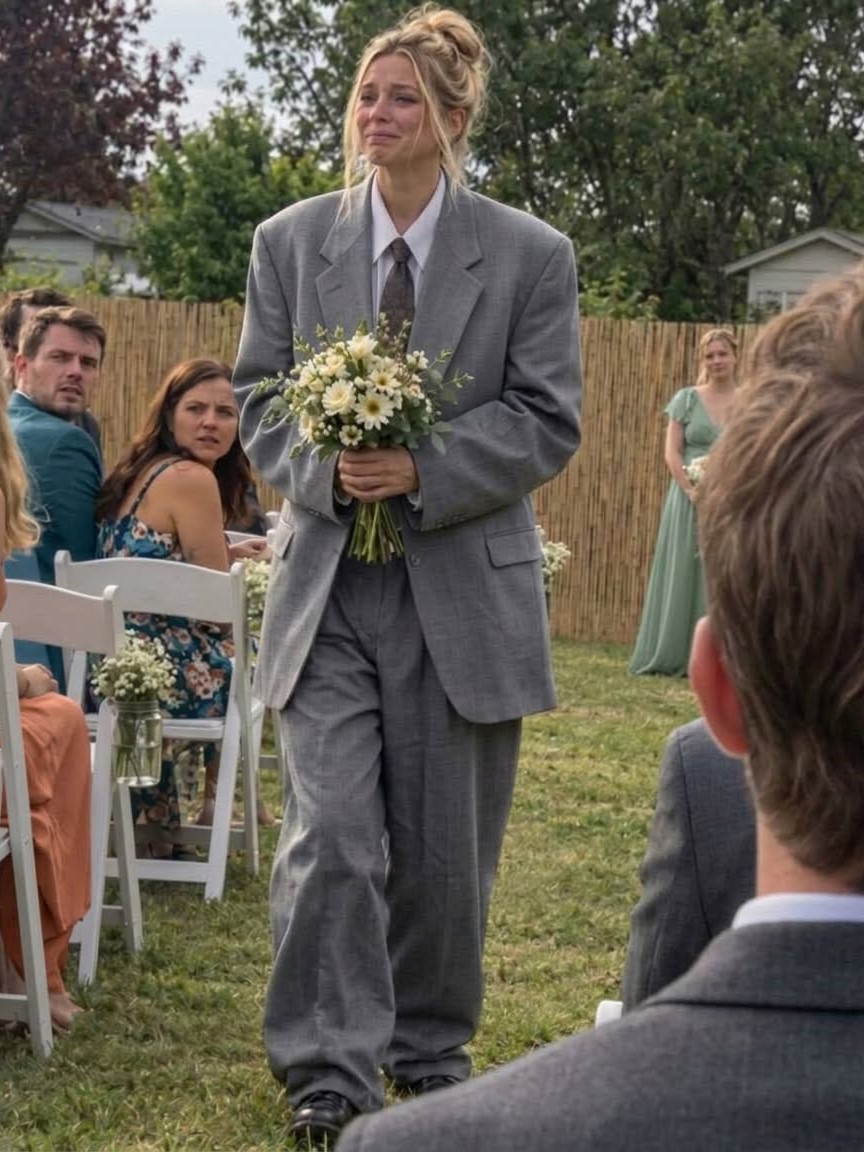
  • My Fiancée Walked Down the Aisle in an Oversized Old Suit – When I Saw the Writing on the Label, I Broke Down in Tears  

    My Fiancée Walked Down the Aisle in an Oversized Old Suit – When I Saw the Writing on the Label, I Broke Down in Tears  

    My fiancée kept her wedding dress secret for months, so I expected the usual dramatic reveal when the ceremony began. Instead, she walked down the aisle in an old black men’s suit, and I had no idea why until I saw the writing inside the cuff.

    I’m 34, and Claire is 31. We’d been together for five years before I proposed.

    I was more excited about our wedding than I probably admitted.

    I didn’t need a luxury venue or a 12-tier cake.

    I just wanted the normal things.

    I wanted to watch Claire walk toward me in a wedding dress, take too many pictures, eat dinner with everyone we loved, dance badly, and finally call her my wife.

    Claire knew that.

    She wasn’t obsessed with wedding planning, but she seemed completely on board.

    We chose a small outdoor venue at an old garden estate about 40 minutes outside the city.

    She picked white roses and eucalyptus.

    We argued for three days over chocolate cake versus lemon.

    She won.

    She spent weeks deciding whether to wear her hair up or down.

    The only thing she kept strangely private was her dress.

    She wanted the first time I saw it to be when she walked down the aisle.

    That seemed normal.

    Her mother went shopping with her. One bridesmaid attended a fitting. Garment bags appeared and disappeared around our apartment, and I was repeatedly warned not to look inside.

    So I had no reason to suspect anything unusual.

    The morning of the wedding, I woke before my alarm.

    My brother, Aaron, was my best man. He and two of my closest friends got ready with me at the venue.

    About half an hour before the ceremony, Claire’s bridesmaid Jenna hurried past us looking stressed.

    I leaned into the hallway.

    “Is everything okay?”

    Jenna stopped.

    For a second, she seemed to be deciding what she could say.

    Then she nodded. “Yeah. Claire’s fine.”

    That wasn’t exactly what I’d asked.

    But she walked away before I could respond.

    Aaron appeared beside me. “What was that?”

    “I have no idea.”

    Still, I wasn’t really worried.

    Claire and I had discussed every serious issue I could think of before getting married.

    Money. Children. Careers. Where we’d live. How involved our families would be.

    Neither of us was running.

    By the time the ceremony began, I was nervous in the good way.

    Everyone took their seats.

    My mom sat in the first row.

    The chair beside her was empty.

    It wasn’t officially reserved, but in my mind, it belonged to my dad.

    My father, Richard, had died four years earlier from a sudden heart attack.

    He was 62.

    I’d spoken to him on a Tuesday evening about replacing my car’s brakes.

    Wednesday morning, my mother called screaming so hard I could barely understand her.

    He was gone before I reached the hospital.

    I didn’t talk much about him during the wedding planning.

    Claire knew I missed him. She also knew I hated making emotional moments about myself.

    Whenever someone asked whether I wished Dad could be there, I usually said, “Of course.”

    What else was there to say?

    Still, I’d spent the engagement imagining him at the wedding.

    I pictured him adjusting my tie too aggressively, complaining about the price of drinks, and trying to give a speech even though Aaron was supposed to handle that.

    I imagined him pulling me aside during the reception and saying, “You did good, Danny.”

    Nobody called me that anymore.

    Dad had called me Danny my entire life.

    Even when I turned 30.

    Even when I told him I was too old for it.

    The bridesmaids started down the aisle.

    Everything looked normal.

    Then the music changed.

    Everyone stood.

    I looked toward the back.

    For a few seconds, I honestly thought something had gone wrong.

    Claire stood there holding her bouquet.

    Her hair was pinned up. Her makeup was done. She was smiling.

    But instead of a wedding dress, she wore an enormous black suit.

    An old one.

    The jacket’s shoulders extended past hers. The sleeves covered part of her hands, and the loose pants bunched at the bottom.

    She was even wearing a dark tie.

    People behind me began whispering.

    Someone said, “What is she wearing?”

    Someone else laughed nervously.

    I looked at Claire’s mother.

    She looked emotional, but not shocked enough.

    Then I looked at my mother.

    She looked stunned.

    That confused me even more.

    For a moment, embarrassment hit first.

    I hate admitting that.

    This was our wedding.

    Photographers stood six feet away. Our relatives were watching. People had their phones out.

    We’d spent months planning everything, and Claire had suddenly walked down the aisle looking like she’d raided an elderly man’s closet.

    And she hadn’t told me.

    As she approached, I tried to catch her eye.

    She kept smiling.

    When she reached me, she handed her bouquet to Jenna.

    I leaned toward her.

    “Claire, what is this?”

    She didn’t answer.

    Instead, she slowly folded back the oversized cuff of the jacket.

    Inside was an old fabric label.

    At first, I noticed only the faded store logo.

    Then I saw the writing beneath it.

    Black ink, slightly smudged with age.

    “Richard’s Wedding Suit.”

    I looked at the words again.

    Then at Claire.

    Then at the suit.

    My throat tightened.

    “No,” I whispered.

    Claire turned the cuff farther.

    Beneath the old writing was newer stitching.

    One word.

    “Danny.”

    I covered my mouth.

    Everything around me disappeared.

    The guests. The photographer. The music. The whispers.

    All I could see was the sleeve and that name.

    My father’s voice came back so clearly that for one insane second, I almost turned around looking for him.

    I stared at Claire.

    “Is this…”

    She nodded.

    “It’s your dad’s wedding suit.”

    I broke.

    There was no graceful way to describe it.

    I started crying at the altar.

    Aaron grabbed my shoulder.

    My mom stood so quickly that her chair scraped against the ground.

    Claire looked toward her.

    “I’m sorry I didn’t tell you.”

    My mother shook her head, already crying too.

    “How did you get it?” I asked.

    Claire looked back at me.

    “I called your mom months ago.”

    I turned toward Mom.

    She pressed both hands over her mouth.

    Claire explained that she’d asked Mom for something of Dad’s she could include in the wedding.

    “I asked if she had anything of your dad’s that I could somehow include in the wedding. A handkerchief. A piece of fabric. Anything.”

    My mother nodded.

    “I gave her the suit,” she said.

    Claire gave a weak laugh. “That was the plan.”

    My mom looked at her outfit. “Clearly, the plan changed.”

    People around us laughed softly, easing the tension.

    I wiped my face.

    “And now you’re wearing the whole thing?”

    Claire’s voice shook. “Because a little piece didn’t feel like enough.”

    That nearly broke me again.

    She took my hand.

    “Your mom told me your dad wore this when he married her.”

    I nodded. I’d seen the pictures.

    Dad had been 28, with far too much hair and a mustache my mother mocked for decades.

    Claire continued. “She said I could use the fabric for anything. I thought about making a hair ribbon. Or lining my bouquet with part of it.”

    “So what happened?”

    Claire looked down at herself.

    “I decided to put it on.”

    I almost laughed through the tears.

    “You just put it on?”

    “About two weeks ago. Your mom had already given it to me, and I was trying to decide what part of it I could use without ruining it.”

    My mom called out, “I told her she could cut it.”

    Claire looked horrified. “It just didn’t seem right to do that.”

    Everyone laughed again.

    Even me.

    Claire squeezed my hand.

    “I put it on as a joke at first. It looked ridiculous.”

    “It still does,” Aaron muttered.

    Claire pointed at him. “Thank you, Aaron.”

    Then she looked at me.

    “But when I saw myself in the mirror, I thought about you.”

    Her voice softened.

    “You’ve spent this entire wedding pretending you weren’t sad your dad couldn’t be here.”

    I swallowed. “I wasn’t pretending.”

    “Really?”

    “Okay. Maybe a little.”

    “You barely talked about it.”

    “I didn’t want everything to become depressing.”

    “I know.”

    She took a breath.

    “And I know nobody can replace him. I wasn’t trying to do that.”

    I looked again at the cuff.

    Richard’s Wedding Suit.

    Then Danny stitched beneath it.

    “I just wanted one part of him to walk down the aisle today,” she said.

    That was when my mother completely lost it.

    She sat down and cried into a tissue.

    I couldn’t look at her because I knew I’d start again.

    The officiant, who’d been patiently standing beside us through this emotional disaster, finally leaned toward me.

    “I’ll give you two a minute.”

    I laughed. “We’ll probably need several.”

    Claire smiled. “I’m sorry.”

    “No.”

    “I should’ve warned you.”

    “No, you shouldn’t have.”

    Her eyebrows lifted. “Really?”

    I looked at the suit. “If you’d told me, this wouldn’t have hit me the same way.”

    “But you looked horrified when I came down the aisle.”

    “I was.”

    A few people laughed.

    I added, “I thought you’d lost your mind.”

    Claire laughed too. “I probably have.”

    I touched the lapel.

    The fabric felt old and soft from decades of use and storage.

    I took a long breath.

    Then I turned to Claire.

    “Okay.”

    “Okay, what?”

    “Let’s get married.”

    The ceremony continued.

    Claire stood beside me wearing my father’s wedding suit while I tried not to cry through the vows.

    I failed.

    She did too.

    When it was her turn, she looked at me and said, “Daniel, I promise to love the person you are.”

    “I promise to honor the people and experiences that made you who you are.”

    “I promise to never let you pretend you’re not emotional when you clearly are.”

    Everyone laughed.

    I shook my head. “You added that.”

    “I did.”

    When my turn came, I had planned vows.

    Good ones too.

    I’d written and practiced them.

    But looking at her in that ridiculous suit, I forgot half of them.

    So I told the truth.

    “You have this way of seeing things I don’t say.”

    Claire started crying.

    “I think sometimes you know what I need before I do.”

    “And apparently, sometimes what I need is to see you wearing my father’s suit and walking towards me.”

    She laughed through her tears.

    I continued. “I love you. I love how much care you put into people.”

    “And I promise I will spend the rest of my life trying to give you the same kind of love you give me.”

    We exchanged rings.

    Then we kissed.

    The photographer captured us immediately afterward in what became one of my favorite pictures from the day.

    Claire is laughing.

    I’m crying.

    My mother’s crying behind us.

    Aaron looks like he’s trying not to.

    And Claire is absolutely swimming in my dead father’s suit.

    After the ceremony, we took pictures in it before she changed.

    My mother insisted on getting one alone with Claire.

    She stood beside her, touched the sleeve, and said, “Richard would have thought this was hilarious.”

    Claire smiled. “I hope he wouldn’t be mad.”

    “Are you kidding? He would’ve told everyone it looked better on you.”

    Then Mom looked at me. “He’d be proud of you, Danny.”

    Claire changed into her actual wedding dress before the reception.

    When she came out, I finally got the traditional moment I’d imagined.

    She wore a simple white dress with a fitted waist and lace along the back.

    She looked incredible.

    She turned in a little circle. “Better?”

    I walked over and kissed her. “Different.”

    “Good different?”

    “Very good different.”

    She smiled.

    “So you’re not divorcing me over the suit?”

    “We’ve been married for 45 minutes.”

    “So that’s a no?”

    “Ask me after the cake.”

    At the reception, people kept asking about the suit.

    Most hadn’t heard everything Claire said at the altar, so my mother retold the story several times.

    Eventually, Aaron mentioned it during his speech.

    He raised his glass and said, “Most brides try to make the groom cry by looking beautiful. Claire decided to take a more aggressive approach and dress as his deceased father.”

    The room exploded.

    Claire nearly choked on her drink.

    Aaron continued, “But seriously, I knew Richard. And if he were here, he’d be the loudest person in this room. He would also be incredibly happy about the woman Daniel married today.”

    I looked at Claire.

    She reached under the table and squeezed my hand.

    Later that night, after dinner, cake, speeches, and several terrible attempts at dancing, we finally had five quiet minutes outside.

    Small lights were strung through the trees.

    Claire leaned against me.

    “Can I admit something?”

    “Sure.”

    “I almost didn’t do it.”

    “Wear the suit?”

    She nodded.

    “This morning, everyone thought I’d completely lost it.”

    “I can confirm that impression.”

    She elbowed me.

    “Jenna kept asking if I was sure. My mom kept saying, ‘Claire, you have a perfectly good wedding dress hanging 10 feet away.’”

    “Reasonable people.”

    “I started wondering if I’d turned something meaningful into something ridiculous.”

    “You didn’t.”

    “I should’ve told you.”

    “Maybe.”

    She pulled back. “Maybe?”

    “I was embarrassed for about 20 seconds.”

    Her face fell slightly.

    I squeezed her hand.

    “Then I read the label.”

    She nodded.

    “And I understood.”

    I looked through the glass doors toward the reception.

    My mother was dancing with Aaron.

    Dad should have been there.

    Nothing Claire did could change that.

    But somehow, the day no longer felt like it had a hole in it.

    We’d made room for his absence instead of pretending it wasn’t there.

    “I spent months thinking about him not being here,” I said.

    Claire rested her head against my shoulder. “I know.”

    “I never told you how much.”

    “You didn’t have to.”

    That was Claire.

    Sometimes annoyingly so.

    A few weeks later, we got our wedding photos back.

    There were hundreds.

    Claire in the white dress.

    Us cutting the cake.

    Aaron giving his speech.

    Our families dancing.

    But the first one I framed wasn’t any of those.

    It was taken immediately after the ceremony.

    Claire is still wearing Dad’s suit.

    I’m holding her around the waist.

    The jacket is too large. The pants bunch at her ankles.

    Her hair looks beautiful, somehow making the suit look even more ridiculous.

    And we’re both laughing.

    You can see the folded cuff.

    You can’t read the writing.

    But I know it’s there.

    “Richard’s Wedding Suit.”

    And beneath it, stitched by the woman I married: “Danny.”

    I’d spent the entire engagement thinking about all the ways my father would miss my wedding.

    I never imagined that, because of Claire, a piece of him would walk down the aisle.

    I still got the traditional wedding.

    The dress. The photos.

    The cake. The terrible dancing.

    Everything I thought I wanted.

    But when I remember that day now, the first thing I see isn’t Claire’s white dress.

    It’s that oversized black suit coming toward me beneath the trees.

    And the moment I realized the woman I was about to marry had found a way to honor someone she never had the chance to call family.

    That was when I knew, even before we said the vows, that I’d chosen the right person.

    If you were Daniel, would Claire’s decision to wear the suit without warning you have felt deeply meaningful, or would part of you still have been upset about being blindsided at the altar?

  • I accidentally overheard my husband complaining to his friends, calling me a brainless, useless woman who had accomplished nothing in her entire life.     

    I accidentally overheard my husband complaining to his friends, calling me a brainless, useless woman who had accomplished nothing in her entire life.    


    I accidentally overheard my husband complaining to his friends, calling me a brainless, useless woman who had accomplished nothing in her entire life. I accidentally overheard my husband complaining to his friends, calling me a brainless, useless woman who had never achieved anything in her life. But he had no idea what a hurt and humiliated woman was capable of—or how deeply he would regret those words. What I did afterward left my husband completely shocked and turned his entire life upside down. 

    At fifty-five, I really had only one major achievement I could point to—my family.

    I met my husband when I was still very young. I married him at twenty-three and almost immediately gave up everything I had once planned for myself. I had a good education, had done extremely well at university, knew English, and dreamed of building a career.

    But my husband always said that more than anything in the world, he dreamed of having a big family.

    A few months after our wedding, I became pregnant with our first child. Then came our second, followed a few years later by our third, fourth, and fifth. Gradually, my life turned into an endless cycle of pregnancies, childbirth, sleepless nights, sick children, school, cooking, and cleaning.

    I gave birth to our youngest son at fifty-four.

    Altogether, we had eleven children.

    Of course, all those years took their toll on me. After so many pregnancies, my health deteriorated significantly. I was constantly exhausted, gained weight, and developed wrinkles. The idea of going to the gym almost made me laugh because there were days when I barely had time to eat a proper meal or even take a shower in peace.

    My husband’s life, however, was completely different.

    While I took care of the children, he built his career, went on business trips, met people, and gradually began earning very good money. He went to the gym regularly, took care of his appearance, bought expensive clothes, and traveled for work several times a year.

    And despite all that, he increasingly started saying:

    “Maybe we should have one more? What’s eleven? We could make it twelve.”

    I would just laugh.

    Despite my exhaustion, I was convinced that I had a wonderful family and a loving husband who understood everything I had sacrificed for him and our children.

    But one day, I discovered what he really thought of me.

    That evening, several of my husband’s friends came over. They set up the grill on the patio, cooked meat, laughed, and talked while I stayed in the kitchen preparing salads and appetizers for them.

    My youngest son was only five months old, so I carried him against my chest in a baby carrier.

    When everything was ready, I picked up a tray and headed toward the patio.

    A few steps before I reached them, I heard my husband’s voice and stopped.

    “I actually want to leave her,” he told his friends.

    At first, I didn’t even realize he was talking about me.

    “She hasn’t accomplished anything in fifty years. She couldn’t even learn English properly. Sometimes I can barely stand looking at her. Her body is sagging, she’s covered in wrinkles, and she never exercises. Why would I want a loser like that beside me?”

    His friends said something in response, but I could barely hear them anymore.

    I stood behind the wall with our five-month-old son against my chest and thought about the last thirty-two years of my life.

    I remembered the diploma I had put away in a closet after getting married.

    I remembered turning down job offers because another one of our children was still too young.

    I remembered staying awake night after night while my husband calmly left for work the next morning.

    I remembered how he traveled while I simultaneously cooked dinner, helped the children with their homework, and rocked a baby to sleep.

    And now the man for whom I had given up my former life was calling me a useless loser.

    After everything I had done, I realized my husband needed to face the consequences.

    He had no idea what I was capable of because I hadn’t always been just a mother and housewife.

    What I did next left him in complete sh0ck.

    I calmly carried the food back into the kitchen, put my son to bed, and for the first time in many years, I stopped thinking about my husband and what my family wanted.

    I thought about myself.

    A few weeks later, I filed for divorce myself.

    My husband was convinced I would be terrified. In his mind, a fifty-five-year-old housewife with eleven children could never survive without him.

    But he had forgotten one important thing.

    I hadn’t always been a housewife.

    After child support was arranged, I used part of the money to hire a nanny.

    Then I found an English tutor and began relearning everything I had once known.

    At first, it was incredibly difficult, but little by little, my knowledge returned. After all, many years earlier, I had been one of the best students in my class.

    Then I joined a gym.

    Not because I wanted to impress anyone or regain my youth, but because for the first time in years, I finally had time to take care of my own health.

    A few months later, I started looking for work and soon received my first job offer.

    But the most interesting part was what happened to my husband.

    Under the court’s arrangement, the children had to regularly spend time with their father, so they stayed with him two days a week.

    Several of the children at once—including our youngest son.

    The man who had spent years believing that I “did nothing” suddenly discovered how many times a baby wakes up during the night, how much food it takes to feed a large family, how much laundry has to be done, and how many questions children can ask at the same time.

    One evening, he called me completely exhausted and said:

    “I can’t handle this. Come pick them up early today.”

    I looked at the time and calmly replied:

    “I can’t. I have an English lesson, and then I’m going to the gym. Today is your day with the kids.”

    And for the first time in thirty-two years, I ended the conversation when I wanted to.

  • Just hours after my husband’s military funeral, my own family glanced at my pregnant belly and decided I didn’t deserve a warm room. Instead, they sent me to sleep in the freezing garage so my sister’s wealthy husband could move into my bedroom.  

    Just hours after my husband’s military funeral, my own family glanced at my pregnant belly and decided I didn’t deserve a warm room. Instead, they sent me to sleep in the freezing garage so my sister’s wealthy husband could move into my bedroom.  

    PART 1

    My father complained that my tears were destroying Thanksgiving, and everyone seemed to be waiting for me to finally fall apart. Instead, I smiled and quietly replied, “”Okay,”” because none of them knew about the military extraction orders already issued for me—or who I truly was.

    At exactly 5:02 a.m. on Thanksgiving morning, my phone vibrated against the kitchen counter.

    It was my older sister, Victoria.

    “There you are,” she said without bothering to say hello. “Mom and Dad decided Raymond needs your room. Pack your things. You can sleep in the garage.”

    I stared into my coffee. Frost silvered the windows, and the house was cold enough that I could see my breath. I was five months pregnant with Marcus’s baby, wearing one of his old Army T-shirts because it was the only thing in the bedroom that still smelled like him.

    “The garage?” I asked. “It’s below freezing.”

    My mother, Eleanor, kept stirring cream into her coffee as though we were discussing folding chairs. My father, Harrison, lowered his newspaper and gave me the same irritated look he had worn during Marcus’s funeral hours earlier.

    “You heard your sister,” Harrison snapped. “Stop acting like the whole world owes you sympathy. Your crying is already ruining Thanksgiving.”

    The Army had notified us of Marcus’s death seven months earlier, after a classified mission overseas. The funeral had been delayed, but my family’s patience with my grief had apparently expired long before the service.

    Marcus had bought this house with years of military pay and sacrifice. He had made every mortgage payment, replaced the cabinets, patched the drywall, and rebuilt the kitchen between deployments while talking about the family we would raise there.

    Now my parents treated his home like abandoned property.

    Victoria entered wearing a silk robe, followed by Raymond, who carried gourmet coffee and spun the keys to his Audi around one finger.

    “It’s only temporary,” Victoria said. “Raymond needs a private office for his investment business.”

    Then she looked at my stomach.

    “Besides, your grieving is becoming exhausting.”

    Eleanor finally faced me. “Put your boxes neatly in the garage. Don’t block the middle. Raymond parks his Audi there.”

    Raymond laughed and thanked her.

    None of them noticed how tightly my wedding ring pressed against my swollen finger. No one looked twice at the military bracelet around my wrist. They saw a pregnant widow in an old T-shirt—too tired to fight and too dependent to leave.

    That was the version of me they believed they knew.

    For almost twelve years, Marcus and I had both served as senior officers in the United States Army. Our assignments required secrecy. We never discussed our ranks, missions, or locations, and we never wore our dress uniforms around family.

    To them, Marcus was a government consultant.

    To them, I handled administrative paperwork for the Department of Defense.

    That cover story had protected people whose names my family would never hear. That morning, it was also protecting the people ordering me into a freezing garage.

    They thought Marcus had left nothing but an insurance policy. They did not know his final mission remained classified. They did not know I was still on active duty. And they certainly did not know that less than twelve hours earlier, encrypted orders had officially ended my emergency leave.

    An extraction team was already coming for me.

    I looked around the kitchen—Harrison hiding behind his newspaper, Eleanor beside the sugar bowl, Victoria waiting for me to argue, and Raymond spinning those car keys with complete confidence.

    There was no compassion on their faces. Only impatience and the certainty that grief had made me powerless.

    So I smiled.

    Quiet. Controlled.

    “Okay,” I said. “I’ll move.”

    Relief crossed their faces. Victoria looked pleased. Harrison raised his newspaper again. Raymond headed toward the driveway as though the house already belonged to him.

    I carried one cardboard box into the garage and set it beside the door. Cold concrete burned through my socks, and the baby shifted sharply beneath my ribs.

    Then an engine growled down the silent street.

    Raymond stopped with one hand on the Audi.

    A second engine followed.

    Then another.

    Dark military vehicles passed the mailbox and entered the driveway in a tight formation, their tires grinding over the frost. Eleanor moved toward the front door. Victoria appeared behind her. Harrison’s newspaper slowly folded against his chest.

    The first vehicle stopped.

    A uniformed soldier stepped out and walked directly toward me, passing Raymond without acknowledging him.

    At the garage entrance, he straightened his shoulders and raised a sharp, precise salute.

    PART 2

    “Captain Vance,” the soldier said, his voice crisp and carrying clear across the driveway. “Lieutenant Colonel Miller, Special Operations Command. I am here to facilitate your emergency extraction and transit to Fort Meade.”

    Raymond stood frozen beside his Audi, his mouth slightly open, the car keys slipping from his fingers and clattering onto the frosted asphalt.

    “Captain?” Raymond stammered, looking between the Lieutenant Colonel and me. “What… what kind of joke is this? She works an administrative desk job!”

    Lieutenant Colonel Miller didn’t even turn his head. His cold, dark eyes remained locked on me as he snapped another crisp salute.

    Behind him, two heavy, matte-black SUVs pulled up behind the lead vehicle, blocking the driveway entirely. Four fully gear-clad, armed military personnel stepped out in synchronized precision, positioning themselves along the perimeter of the driveway.

    Harrison hurried out onto the porch, Eleanor trailing behind him with her cup of coffee sloshing over the brim onto her slippers. Victoria stepped down the stone walkway, her silk robe whipping around her ankles in the biting wind.

    “Excuse me!” Harrison barked, trying to assume his usual domineering authority. “This is private property! I don’t know what kind of stunt my daughter is playing, but you need to remove these vehicles immediately!”

    Lieutenant Colonel Miller turned slowly, his boots crunching against the ice. “Sir, I am executing official Department of Defense orders under Title 10 of the United States Code. This property is currently classified as an active military asset belonging to the estate of the late Major Marcus Vance.”

    Victoria gasped, her head snapping toward me. “Major? Marcus was a consultant!”

    “Major Marcus Vance was a decorated operative assigned to Special Operations Command,” Miller corrected sharply, his voice dropping an octave into an arctic chill. “And Captain Genevieve Vance is an active-duty Intelligence Directorate Officer under classified deployment status.”

    Eleanor’s coffee cup slipped from her hands, shattering on the driveway pavement. “Active… active duty? Genevieve, you told us you did office paperwork!”

    “I told you what you needed to hear so my family wouldn’t become a national security liability,” I said calmly, stepping out of the cold garage into the morning light. “And for twelve years, Marcus and I let you believe we were average, ordinary, and desperate for your approval.”

    Raymond took an awkward step forward, trying to look imposing. “Now listen here, Captain or whatever you call yourself—Marcus was my brother-in-law! This house belongs to his estate, which means it falls to his surviving family! We’re setting up my investment office in her bedroom today, and you can’t just rock up here with guns and—”

    Before Raymond could finish his sentence, a black sedan with government plates pulled up behind the military convoy. A tall, gray-haired man in a tailored dark suit stepped out, holding a thick leather portfolio under his arm.

    Harrison’s face went chalk-white the moment he recognized the man. “Judge Davis?”

    Judge Thomas Davis—a federal magistrate and longtime friend of my father’s—walked straight up the driveway, ignoring Harrison’s outstretched hand.

    “Harrison,” Judge Davis said gravely. “I received an emergency federal filing three hours ago from the Department of the Army.”

    “An emergency filing?” Victoria shrieked, clutching her robe tighter. “For what?!”

    “For the immediate freeze of all assets, deed transfers, and estate claims attempted by Harrison, Eleanor, Victoria, and Raymond Sterling,” Judge Davis declared, opening the portfolio. “Furthermore, a federal warrant has been issued for the immediate search and seizure of all personal electronics belonging to Raymond Sterling.”

    Raymond paled instantly. “What?! On what grounds?!”

    “On the grounds of corporate espionage, wire fraud, and grand larceny,” I spoke up, stepping side-by-side with Lieutenant Colonel Miller. “Did you really think I didn’t notice you tapping into Marcus’s encrypted home network last month, Raymond?”

    Raymond stumbled backward against his Audi, his breathing turning ragged. “I… I don’t know what you’re talking about!”

    “You thought Marcus was just a dead consultant with a nice house,” I said, my voice dropping to a dangerous whisper. “You thought his personal server in that bedroom contained private investment portfolios you could siphon to save your failing firm. You didn’t realize that tapping his server triggered an automatic, high-level cyber-security protocol directly at Fort Meade.”

    Victoria rounded on her husband, her eyes wide with frantic horror. “Raymond! What did you do?!”

    “I… I was just looking for his life insurance information!” Raymond stammered, sweating despite the sub-zero wind.

    “You attempted to breach a classified Department of Defense network from a residential IP address,” Judge Davis said sternly. “Federal marshals are currently executing a search warrant on your business offices in downtown Chicago as we speak.”

    Harrison grabbed the bridge of his nose, his voice trembling with a mix of fury and sheer panic. “Genevieve… you set him up?! He’s your sister’s husband! This is your family!”

    “Family?” I asked, looking my father straight in the eyes. “An hour ago, you told me my grief was destroying your Thanksgiving. You told me to sleep on a concrete floor in below-freezing temperatures so your favorite son-in-law could steal my dead husband’s home.”

    “Genevieve, please!” Eleanor wailed, taking a desperate step toward me, her hands clasped together. “We didn’t know! We thought you were just… struggling! We’re your parents!”

    “You didn’t care when Marcus was alive, and you cared even less when he died,” I replied, my voice steady, cold, and entirely devoid of emotion. “You only cared about what you could take from his sacrifice.”

    Lieutenant Colonel Miller turned to his team. “Secure the perimeter. Escort the unauthorized civilians off the premises immediately.”

    Four armed soldiers stepped forward, moving in a tight formation to block Harrison, Eleanor, Victoria, and Raymond from stepping anywhere near the house.

    “Wait!” Victoria screamed as an officer grabbed Raymond’s wrist to cuff him. “You can’t arrest him! It’s Thanksgiving! We have dinner reservations!”

    “Your reservations have been canceled, ma’am,” Judge Davis said dryly.

    I looked at my family one last time—Harrison hyperventilating on the porch, Eleanor weeping over her broken coffee cup, Victoria screaming at the officers, and Raymond being loaded into the back of a federal sedan in handcuffs.

    “Lieutenant Colonel,” I said, turning my back on them. “Get my bags. We have a flight to catch.”

    PART 3 + FINAL

    The flight to Fort Meade was quiet.

    I sat in the passenger cabin of the military transport plane, staring out the window at the endless blanket of clouds below. The steady hum of the engines was a familiar, comforting sound—a reminder of the life Marcus and I had built away from the toxic vanity of my family.

    I rested my hand over my stomach. The baby kicked gently against my palm, as if acknowledging the calm that had finally replaced the chaos.

    When we landed at the airfield three hours later, a sleek black town car was waiting on the tarmac.

    General Richard Vance—Marcus’s uncle and the head of Special Operations Command—stood by the open door, his dress uniform pristine, his chest covered in rows of service ribbons.

    As I stepped down the mobile stairs, the three-star general didn’t offer a stiff military greeting. He opened his arms and pulled me into a warm, protective embrace.

    “You did well, Genevieve,” General Vance whispered, his voice thick with uncharacteristic emotion. “Marcus would be so damn proud of you.”

    “Is the investigation complete, sir?” I asked, pulling back slightly.

    “It’s sealed tight,” General Vance replied, gesturing for me to get into the car. “Raymond’s firm was already under investigation by the SEC for running a massive Ponzi scheme. When he tried to hack into Marcus’s server to steal what he thought was military secret-service funds, he handed federal prosecutors the master key to his entire criminal enterprise.”

    As the car pulled away from the runway, General Vance opened a secure tablet and handed it to me.

    “Your father spent the last four hours trying to call every politician he’s ever donated to,” Vance continued with a dark, satisfied chuckle. “None of them are taking his calls. The Department of Justice has charged Raymond with federal wire fraud, attempted theft of government property, and treasonous cyber-intrusion. He’s looking at twenty-five years without parole.”

    I scrolled through the legal documents on the screen. “And my parents?”

    “Harrison and Eleanor have been named as material accomplices,” General Vance said coldly. “They signed off on the illegal deed transfer documents Raymond forged for Marcus’s house. Their assets have been frozen, and the mortgage company has already issued a formal notice of foreclosure on their own estate to cover Raymond’s defaulted loans.”

    I closed my eyes, letting out a long, slow breath.

    Twelve years of being treated as the quiet, disappointing daughter. Twelve years of listening to Harrison brag about Victoria’s wealthy husband while dismissing Marcus’s sacrifice as “government paperwork.”

    In less than six hours, their entire house of cards had completely collapsed under the weight of their own greed.

    “What happens to the house now, Genevieve?” General Vance asked gently.

    “It stays in the Vance family,” I said, looking out the window as the sun broke through the clouds. “It’s where Marcus wanted our daughter to grow up. And that’s exactly where she’s going to be.”

    Six months later.

    Spring had arrived in full bloom across Illinois. The air smelled of fresh rain, blooming apple blossoms, and sweet clover.

    I sat in a cedar rocking chair on the front porch of the house Marcus had built with his own hands, holding my one-month-old daughter, Maya, tightly against my chest. She had Marcus’s bright, intelligent eyes and a soft tuft of dark hair that curled against her forehead.

    The driveway, once filled with military vehicles and screaming relatives, was quiet and peaceful. A light breeze rustled the small American flag hanging beside the front door.

    A quiet hum of an engine drew my attention to the street.

    A rusted, ten-year-old sedan pulled up to the curb. The driver’s door opened, and Harrison stepped out.

    He looked nothing like the arrogant, domineering man who had folded his newspaper over my grief six months ago. His hair was entirely gray, his posture slumped, and his clothes looked cheap and ill-fitting.

    He walked slowly up the paved driveway, stopping at the bottom of the porch steps, staring at me and the baby in my arms.

    “Genevieve,” Harrison said, his voice hollow, gravelly, and stripped of all its former confidence.

    I didn’t stand up. I didn’t smile. I simply rocked quietly, my hand resting gently over Maya’s back.

    “Harrison,” I acknowledged softly.

    “Your mother and I… we had to sell the estate,” he stammered, his eyes darting nervously around the immaculate yard Marcus had landscaped. “We’re living in a small two-bedroom apartment outside Naperville now. Victoria… Victoria moved back in with us after Raymond was sentenced last month. She’s working as a receptionist.”

    “I know,” I said calmly. “I read the court updates.”

    Harrison swallowed hard, taking a small, hesitating step up the first wooden step. “Genevieve… we’re your family. We made a terrible mistake. We were grieving too, in our own way… we just weren’t thinking clearly.”

    I let out a soft, amused breath. “You thought very clearly, Harrison. You thought I was weak. You thought I was helpless. And you thought Marcus’s life was worth less than Raymond’s Audi.”

    “Please,” Harrison choked out, tears welling in his aged eyes as he looked at his granddaughter. “Can I… can I at least hold my granddaughter? Just once?”

    I looked down at Maya, who let out a tiny, contented sigh in her sleep, completely safe in my arms.

    Then I looked up at the man who had ordered me into a freezing garage on Thanksgiving morning.

    “No,” I said, my voice dead even, carrying the absolute, unshakeable authority of an officer who had survived the worst the world could offer. “You had your chance to be a father, Harrison. And you chose to be a parasite instead.”

    Harrison’s shoulders sagged completely, a single tear slipping down his weathered cheek. He opened his mouth to plead, but the cold, resolute steel in my eyes silenced him instantly. He knew there was no money to bribe me with, no status to intimidate me with, and no lie that could ever break the wall I had built around my daughter.

    Without another word, Harrison turned around, walked slowly back down the driveway, got into his rusted car, and drove away into the fading afternoon light.

    I watched the car disappear around the corner, feeling no anger, no hatred, and no bitterness. Only a deep, profound peace.

    General Vance stepped out onto the porch behind me, carrying two glasses of fresh iced tea. He set one down on the side table beside my chair and leaned against the porch railing, looking out over the green lawn.

    “He won’t be back, Captain,” Vance said softly.

    “I know,” I replied, taking a sip of the tea.

    I adjusted the blanket around Maya, resting my chin against her soft head, smelling the clean lavender scent of her baby lotion.

    Marcus was gone, but his honor, his sacrifice, and his legacy lived on in every stone of this house, in every blade of grass in this yard, and in the bright, beautiful eyes of the little girl sleeping in my arms.

    They thought grief had made me powerless.

    They thought an old Army T-shirt was a sign of defeat.

    They had tried to force me into the cold, completely blind to the storm that was already coming for them.

    I looked down at my daughter and smiled—a real, genuine smile that reached all the way to my heart.

    We were home, we were safe, and we were finally free.

  • Learning Through Story-Based Activities

    Learning Through Story-Based Activities

    In a world filled with distractions, the art of storytelling remains a timeless treasure.

    From childhood tales shared around a cozy fireplace to the latest novels gripping our attention, stories have a unique power to connect, inspire, and educate.

    One of the most delightful ways to harness this power is through story-based activities, which can transform learning into an engaging and interactive experience. Whether for children, adults, or families, these activities can foster creativity, enhance understanding, and promote emotional intelligence.

    The beauty of learning through stories lies in their ability to create vivid mental images, making complex ideas accessible and relatable. When we immerse ourselves in a narrative, we are not just passive listeners; we become active participants in the journey. This engagement can deepen our understanding of various subjects, from history and science to social skills and emotional awareness.

    A small shift toward balance can be achieved by weaving stories into everyday learning. For instance, consider a simple activity where children are encouraged to create their own stories based on their experiences. This could be as straightforward as recounting a memorable family outing or inventing a fantastical adventure. By doing so, children not only practice writing and verbal skills but also learn to express their emotions and thoughts in a constructive way.

    Story-based activities can also enhance comprehension and retention. When learners are tasked with re-telling a story they have read or heard, they must sift through the details, identify key themes, and articulate their understanding. This process encourages critical thinking and reinforces memory. For example, a teacher might introduce a historical figure through a captivating story, inviting students to explore the character’s motivations and challenges. Engaging with the material in this way transforms history from mere dates and facts into a rich tapestry of human experience.

    Another gentle way to incorporate storytelling into learning is through role-play. This interactive method allows participants to step into different characters and scenarios, fostering empathy and perspective-taking. Imagine a group of children acting out a scene from a beloved book or a historical event. As they embody the characters, they gain insight into the emotions and decisions that shape human experiences. This not only promotes social skills but also cultivates a deeper understanding of diverse viewpoints.

    For adults, story-based activities can serve as a powerful tool for personal growth and reflection. Consider hosting a gathering where participants share pivotal moments from their lives. These storytelling sessions create a safe space for vulnerability and connection, allowing individuals to learn from one another’s experiences. The act of sharing can be cathartic, helping to build community and mutual support.

    Incorporating storytelling into daily routines can also enhance family bonding. Families can set aside time each week for story sharing, where each member recounts a favorite memory or a recent experience. This practice not only strengthens relationships but also fosters a sense of belonging and understanding. As family members listen to one another, they learn to appreciate different perspectives, creating a nurturing environment for emotional growth.

    As we explore the realm of story-based learning, it’s essential to acknowledge the diversity of narratives available to us. Stories can come from various cultures, backgrounds, and experiences, enriching our understanding of the world. Encouraging learners to seek out and share stories from different cultures can promote inclusivity and broaden horizons. This approach cultivates an appreciation for diversity and encourages open-mindedness, essential qualities in today’s interconnected world.

    The impact of story-based activities extends beyond individual growth; they can also foster teamwork and collaboration. Group storytelling exercises, where participants contribute to a collective narrative, encourage creativity and cooperation. This shared experience not only sparks imagination but also strengthens communication skills as individuals work together to weave their ideas into a cohesive story.

    As we embrace the power of storytelling, it’s important to recognize the role of technology in enhancing these experiences. Digital platforms can provide new avenues for storytelling, allowing individuals to create podcasts, videos, or interactive narratives. These tools can inspire creativity and reach wider audiences, making stories accessible to all. However, it’s crucial to balance screen time with traditional storytelling methods, ensuring that the essence of human connection remains at the forefront.

    In the end, learning through story-based activities is not just about acquiring knowledge; it’s about fostering connections, sparking imagination, and nurturing emotional intelligence. Whether through personal reflections, group activities, or cultural explorations, stories have the ability to transform the learning experience into something profound and meaningful.

    So, as you embark on your own journey of discovery, consider the stories that shape your world. Engage with them, share them, and let them inspire you and those around you. By weaving storytelling into the fabric of learning, we can create a vibrant tapestry of experiences that enrich our lives and the lives of others. Embrace this beautiful art of learning through stories, and watch as it unfolds new dimensions of understanding and connection.

  • My mother-in-law had no pension. I cared for her with all my heart for 12 years. With her last breath, she handed me a torn pillow. When I opened it, I couldn’t hold back my tears…  

    My mother-in-law had no pension. I cared for her with all my heart for 12 years. With her last breath, she handed me a torn pillow. When I opened it, I couldn’t hold back my tears…  

    My mother-in-law had no pension; I cared for her for twelve years as if she were my own mother… and before she died, she left me a torn pillow, whispering: “It’s for you, Mable.” No one in the house understood why she gave it to me… until that very night when I felt something hard hidden inside.

    PART 1

    My name is Mabel.

    I got married at twenty-six and entered a family that was already fractured. My father-in-law had passed away very young, and my mother-in-law, Fiona, was left alone to raise her four children with the little she earned from working farmlands in rural Ohio. She farmed corn and soybeans her entire life. She never had insurance, she never had a break, and she certainly never had a pension.

    By the time I arrived, almost all of her children had moved on with their lives. They visited her rarely. Sometimes they called. Sometimes not even that.

    In the end, the old woman ended up staying with us. And she also ended up becoming more and more alone.

    The neighbors whispered a lot.

    “Poor Mabel, she seems more like a full-time nurse than a daughter-in-law.”

    “Let’s see if the other kids actually show up when the old woman passes.”

    I heard everything, but I turned a deaf ear. Because to me, she wasn’t just “my husband’s mom.” She was a woman who had spent her entire life working until her knuckles were worn raw for her children, and in her final years, she couldn’t even pour herself a glass of water without her hands trembling violently.

    There were days when I broke down too.

    My husband often went to work long shifts in Chicago, and I had to stay alone with my young son and Fiona. I cooked, I cleaned, I bathed her, I changed her clothes, I made her warm oatmeal, I gave her her medicine, and I would wake up in the middle of the night just to check if her frail chest was still rising and falling.

    Twelve years like that.

    Twelve years watching a once-strong woman grow small and fragile.

    Once, out of pure exhaustion, I burst into tears beside her bed:

    “Mom, I’m only your daughter-in-law… sometimes I feel like I just can’t do this anymore.”

    She didn’t say much. She was never a woman of many words. She just squeezed my hand with her cold, weathered fingers and said softly:

    “That’s exactly why, honey… that’s why God is going to look at you differently.”

    I don’t know why, but that sentence stuck with me. From then on, I cared for her with even more tenderness. If her stomach hurt, I made her rice soup. If she was cold, I put two heavy wool blankets on her and sat there rubbing her feet. If she couldn’t sleep, I stayed by her side even if I knew I would be completely exhausted the next day.

    I never thought she would leave me anything. Not money. Not land. Not even a formal “thank you.” I cared for her because it came directly from my heart.

    But the other children didn’t see it that way. When they did visit, they’d stay for a few minutes, ask how she was doing, bring a small basket of fruit, and say the exact same thing before driving away:

    “Oh, Mabel, it’s so good you have so much patience.”

    “We just couldn’t do it.”

    “You know how Mom is—so stubborn.”

    I smiled out of politeness. But inside, it hurt. Because yes, they all knew I cared for her… but no one stayed to see the bad nights. No one heard her calling out for her late husband in her dreams. No one saw her cry in silence when she could no longer walk out to the front porch on her own.

    This last winter was the hardest. Fiona stopped eating well. She got tired just speaking a few words. Sometimes she would stare at the bedroom door as if waiting for someone who never arrived.

    One afternoon, she asked me to help her sit up in bed. I adjusted the old, worn pillow behind her back, and she sat there touching its frayed edges for a long time, deep in thought.

    “What is it, Mom?” I asked gently.

    “Nothing, Mabel… not yet.”

    I didn’t understand what she meant.

    That night, her breathing was worse than ever. I wiped her forehead, moistened her dry lips, and stayed by her side while the freezing winter wind blew against the windowpane. My son was already asleep. The house was dead silent. All you could hear was the ticking clock in the hallway… and Fiona’s heavy, shallow breathing.

    Suddenly, she opened her eyes and searched for my gaze. I leaned in quickly.

    “I’m right here, Mom.”

    She raised her hand very slowly, pointed to the old, torn pillow she had slept on for so many years, and with a faint, raspy whisper, said:

    “For you, Mabel… only for you.”

    Then she tried to say something else, but she couldn’t. Her hand went limp in mine. And her chest… stopped moving.

    My world came crashing down. I cried, clinging to that bed until dawn.

    A while later, the other children arrived. Shouting, crying, phone calls, neighbors coming and going. In the middle of clearing out her room, one of my brothers-in-law grabbed the old pillow to toss it into a trash bag.

    Without thinking, I snatched it from his hands.

    “Not that one.”

    “What do you want that old thing for? It’s torn and filthy,” my sister-in-law scoffed.

    I didn’t know what to say. I just hugged it tightly against my chest. Because those were the last words Fiona had said to me. Because she had left it to me. Because even though it looked old, stained, and almost falling apart, she had gathered her final breath to name it right before she died.

    That night, alone in the kitchen, I placed the pillow on the table.

    The fabric was split open along one side. Old goose feathers were peeking out. It smelled of mothballs, lavender salve… and time.

    I thought maybe it had just been a confused gesture of hers, a meaningless goodbye. I was about to just set it aside in a closet.

    But as I reached my hand through the torn seam to smooth out the cotton, my fingers touched something buried deep inside the stuffing that didn’t feel like feathers.

    It was hard. Small. And tightly wrapped.

    PART 2

    My heart started thumping against my ribs.

    Slowly, carefully, I pulled my hand out from the torn seam of the pillow. Resting in my palm was a small, heavy velvet pouch tied shut with a piece of discolored twine.

    I cut the string with a kitchen knife and tipped the pouch over the wooden table.

    Out tumbled two items: a tarnished brass key with an intricate, antique bow, and a small, folded piece of thick parchment paper, yellowed with age.

    I unfolded the paper with trembling fingers. Written in Fiona’s sharp, precise handwriting—a hand she had possessed long before arthritis twisted her fingers—was a letter dated fifteen years prior.

    “My dearest Mabel,” it read.

    “If you are reading this, I have finally gone to rest beside my beloved husband. For years, my own children believed I had nothing left to my name after the farm failed. They assumed I was a burden, a woman relying entirely on their pity, which is why they left me in the dark.”

    “They did not know that my grandfather left me a private safety deposit box at the Old National Bank in downtown Columbus—box number 412. Inside, you will find the original land deeds to forty acres of prime commercial real estate along the highway bypass, purchased decades ago before the developers came.”

    “My children never asked about my past, nor did they care to stay when I had nothing to offer them. But you, Mabel—you held my hand when I was frightened. You wiped my tears when I missed my home. You loved me not as an obligation, but as a daughter.”

    “The key in your hand belongs to Box 412. The property is yours, legally transferred to a private trust in your name. Do not let them take from you what you earned with your pure heart.”

    Tears blurred my vision, dripping onto the yellowed paper.

    She hadn’t been confused in her final moments. She hadn’t been giving me a worthless piece of junk. Fiona had spent twelve years watching her own children abandon her, while quietly ensuring that the only person who treated her with dignity would be protected for the rest of her life.

    PART 3

    The following morning, the atmosphere in our house was tense.

    My brothers-in-law and sister-in-law sat around the dining table, sipping coffee, going through Fiona’s minimal bank statements, and complaining about the funeral expenses.

    “She barely had eight hundred dollars in her checking account,” my eldest brother-in-law grumbled, shaking his head. “We’re going to have to split the burial costs four ways. Mabel, you and my brother need to cover your share.”

    I stood by the doorway, holding a warm cup of tea, perfectly calm.

    “Mom left something behind,” I said quietly.

    My sister-in-law let out a sharp, dismissive laugh. “What? That torn pillow you were hugging like a child last night?”

    “No,” I replied, pulling the antique brass key and the certified trust document from my apron pocket. “She left the deeds to forty acres of commercial land near the Columbus highway bypass.”

    The entire room went dead silent.

    My eldest brother-in-law froze, his coffee cup suspended halfway to his mouth. “What are you talking about? Mom didn’t own any commercial land! The family farm was liquidated twenty years ago!”

    “She owned it before she ever met your father,” I explained, setting the notarized trust papers flat on the table in front of them. “It’s worth nearly two million dollars today. And three years ago, while you were all ‘too busy’ to visit her for Christmas, she placed the entire holding into a private trust.”

    My sister-in-law snatched the paper, scanning the legal text frantically. Her eyes widened in pure disbelief. “This… this says you are the sole trustee and beneficiary! That’s impossible! She was confused! You manipulated her!”

    “I didn’t ask her for a single penny,” I said, my voice steady, ringing with absolute truth. “I didn’t even know this existed until last night. For twelve years, I bathed her, fed her, and held her hand while she cried in the dark, while the four of you couldn’t be bothered to call her once a month.”

    My brother-in-law stood up, his face flushing dark red. “She was our mother! You have no right to take our inheritance!”

    I looked him dead in the eye.

    “She wasn’t an inheritance to you,” I said softly, the weight of twelve years of quiet sacrifice standing behind every word. “She was an inconvenience. You left her alone when she was alive, and she chose who stood by her when she died.”

    They threatened to hire lawyers. They threatened to contest the trust. But Fiona’s estate attorney had meticulously documented her mental soundness, including video affidavits recorded years prior, confirming that her children had voluntarily neglected her and that Mabel was her true intended heir.

    Within six months, the legal challenges were thrown out of court.

    I used a portion of the commercial land’s value to pay off our mortgage, set up an untouchable college fund for my son, and establish a local senior care foundation in Fiona’s memory, ensuring no elderly person in our county would ever have to face their final days alone or uncared for.

    Sometimes, late at night, I sit on the front porch with a warm cup of tea, listening to the quiet rustle of the wind through the Ohio trees.

    My husband’s siblings no longer speak to us, bitter over the fortune they lost. But I feel no regret, nor do I harbor any anger.

    Fiona had been right all along. God, and a loving mother-in-law, had indeed looked at me differently—not because I asked for a reward, but because true love is proven not in grand declarations, but in the quiet, faithful care we give when no one else is watching.

  • My daughter-in-law laughed when she gave me a $2 scratch-off for my 73rd birthday. 10 months later, my own son shoved a senior living brochure in front of me and said, “We already picked your room.” They thought I was too old to fight back. They had no idea what I had been hiding.  

    My daughter-in-law laughed when she gave me a $2 scratch-off for my 73rd birthday. 10 months later, my own son shoved a senior living brochure in front of me and said, “We already picked your room.” They thought I was too old to fight back. They had no idea what I had been hiding.  

    My daughter-in-law gave me a two-dollar scratch-off ticket for my seventy-third birthday and laughed while I scratched it. Ten months later, my own son placed a glossy brochure in front of me for a senior living facility he and his wife had already chosen, as though my life were furniture they could remove once it became inconvenient.

    The scratch-off was the only gift I received that birthday. The store price tag was still stuck to the back.

    “Let’s see if you win enough for bus fare, Margaret,” Jessica joked.

    My son Colin burst out laughing. My grandchildren joined in, mostly because their parents did.

    We were in the kitchen of the house we shared in Austin, Texas. I had baked my own birthday cake. While Jessica cut a slice and complained that the vanilla frosting was too sweet, I scratched away the ticket’s silver coating.

    Then I saw the symbols.

    I checked once.

    Then again.

    My heart pounded.

    Nobody noticed. Colin poured wine. Jessica kept criticizing the cake. The kids stayed glued to their tablets.

    I carefully folded the ticket and slipped it into my beige cardigan pocket.

    “Nothing?” Colin asked.

    I smiled.

    “Not even for bus fare.”

    Jessica laughed again.

    I thanked her for the birthday card and began clearing the dishes.

    That night, I realized how much a woman could hide behind a calm face.

    My name is Margaret Vance. I’m seventy-three. I moved in with Colin and Jessica nearly four years earlier after my husband, Arthur, died. At first, Colin insisted.

    “You shouldn’t be living alone, Mom.”

    I believed him.

    Over time, I stopped feeling like a guest and became useful. I cooked because Jessica came home late from her law firm. Then I cleaned because I had cooked. I bought groceries, folded laundry, picked up the kids, and changed my plans whenever someone needed something.

    Nobody assigned me chores.

    They simply accumulated until my life revolved around everyone else’s needs.

    One evening, while carrying folded towels, I overheard Jessica talking to Colin in the kitchen.

    “Your mother is becoming a burden.”

    A pause followed.

    Then Colin sighed.

    “What do you want me to do? She’s my mother.”

    That hurt more than Jessica’s words.

    I had spent decades caring for him.

    Now caring for me sounded like a sentence.

    That was why I told nobody what I had discovered beneath that ticket’s silver coating.

    The following Monday, I drove downtown alone and met attorney Richard Sterling.

    I placed the ticket on his desk.

    He stared at it, then looked at me.

    “Does anyone else know?”

    “No.”

    “Then don’t say a word just yet.”

    For the next few months, nothing outwardly changed.

    I still cooked dinner, clipped coupons, folded towels, and smiled while Jessica treated me like an employee who should be grateful for shelter.

    But inside, something had shifted.

    For the first time since Arthur died, I began making plans that didn’t depend on Colin.

    Then, two weeks before December, my son made the decision I had been postponing.

    During dinner, he put down his fork.

    “Mom, Jessica and I have been talking.”

    Jessica gave me her familiar tense smile.

    Colin slid a glossy brochure across the table.

    Oakridge Estates.

    The cover showed a white-haired couple playing pickleball.

    “We went to check it out,” Jessica said. “We think you’re going to love it.”

    I looked up.

    “You went without me?”

    “We knew you’d stress over all the details,” Colin replied. “We only put down a refundable deposit.”

    “When do you want me to leave?”

    He glanced at Jessica.

    “January first.”

    It was only mid-November.

    Eventually, the real reason came out.

    Lucas wanted my ground-floor bedroom. He was starting middle school and supposedly needed more privacy.

    Jessica patted my hand.

    “You’ll be so much better off around people your own age.”

    I looked at Colin.

    “It’s for the best, Mom,” he said.

    Something inside me became completely still.

    Then I smiled.

    “I agree.”

    Their relief was immediate.

    That night, I closed my bedroom door and dialed a number I knew by heart.

    “Richard,” I said when he answered. “I’m ready.”

    On November 30, I left a packed suitcase beside the door.

    At 8:27 the next morning, the doorbell rang.

    Colin came downstairs in his bathrobe and accepted a certified manila envelope.

    A minute later, he entered the kitchen while tearing it open.

    “A&M Property Holdings…” he muttered.

    He frowned at the page.

    Then froze.

    “What on earth is this?”

    Jessica appeared at the top of the stairs.

    I calmly continued drinking my coffee.

    PART 2

    Colin reread the first page slowly, as though the words might change.

    The notice said his month-to-month lease would terminate in thirty days and the house would be sold.

    Jessica grabbed the document.

    “This can’t be legal,” she said. “The property only changed hands a few months ago.”

    I placed my teacup on its saucer and watched them search for an explanation that didn’t involve me.

    Then Colin pulled out a second sheet.

    It was written in my handwriting.

    He began reading aloud but stopped after the third line.

    “‘A&M stands for Arthur and Margaret.’”

    His face lost its color.

    Jessica looked at me, then back at the paper.

    Richard had purchased the property in my name through a holding company I created months earlier, after the previous landlord decided to sell.

    Colin had unknowingly been paying rent to an entity that belonged to me.

    “Mom… do you own this house?” he asked.

    “For now, yes,” I replied. “And I no longer wish to be your landlord—or your burden.”

    Jessica dropped the envelope onto the island.

    “You did all of this behind our backs?” she demanded, her voice rising.

    “Yes,” I said calmly. “Just like the two of you toured a retirement facility, picked out a room, and set the exact date I was supposed to vanish from here.”

    Colin interrupted.

    “It wasn’t like that—”

    “It was exactly like that,” I answered. “You just had the courtesy to give me a few weeks’ notice.”

    He looked down.

    I reached into my handbag and removed a small clear protective sleeve.

    Inside was the birthday scratch-off ticket, fully validated and officially processed.

    Jessica recognized it immediately.

    “That’s impossible.”

    “It’s very possible,” I said.

    I explained that her two-dollar scratch-off had won eleven million dollars before taxes and the lump-sum adjustment.

    I hadn’t received the full advertised jackpot, but it was more than enough to secure my retirement, buy my own home, and establish protected educational trusts for the children.

    Colin’s head snapped up.

    “The kids have money?”

    “Their education is taken care of,” I replied. “Neither of you can touch a single cent of it.”

    For once, Jessica was speechless.

    Colin looked more hurt than angry.

    “Why didn’t you tell me?” he asked softly.

    “Because I heard your wife say I was becoming a burden, and I heard you reply, ‘What do you want me to do? She’s my mother.’ You didn’t say you wanted me here. You said you didn’t know what to do with me.”

    The silence was heavy enough to hear the refrigerator humming.

    Colin sat down, covered his face, and whispered, “Mom, I… I had no idea you heard that.”

    “You didn’t have to know for it to hurt.”

    Jessica tried to regain control.

    “So this is revenge? You’re kicking us out on the street over a conversation?”

    “No,” I answered. “This is a separation of accounts. You have thirty days according to the lease terms. Your security deposit will be refunded in full, and the property will be sold. I don’t want my money, my peace of mind, or my relationship with my son tied to this house. Besides, you two were already making plans for my room on January first. Now every adult in this house simply has to take responsibility for their own plans.”

    At 9:05 AM, I went upstairs for my suitcase.

    Colin followed and saw it already packed.

    He finally understood this wasn’t an impulsive threat.

    “Where are you going?” he asked.

    “To my house. I bought a little yellow craftsman home near your Aunt Helen—it has a porch and a kitchen that gets the morning sun.”

    “Since when?”

    “Since June.”

    He stared at me as if I’d been living a secret life.

    In reality, I had simply reclaimed a life I stopped sharing because he stopped asking about it.

    Before I left, Jessica appeared with glossy eyes and crossed arms.

    “This is going to destroy our family.”

    “No,” I told her. “What destroys a family is treating someone like a domestic service when it’s convenient and an obstacle when they no longer fit your plans. I’m not keeping your children from you, nor am I leaving you homeless today. I am simply handing the responsibility of your own household back to you, just as you wanted to hand the responsibility of mine back to me.”

    Colin had nothing to say.

    The taxi arrived at 9:15 AM.

    He carried my suitcase down the walkway without being asked.

    Before closing the trunk, he hugged me.

    At first, it felt awkward, almost childish.

    “I’m sorry,” he whispered into my shoulder. “I don’t know at what point I stopped seeing you as my mother and started seeing you as someone who was just always there to fix everything for us.”

    “Neither do I,” I replied softly. “But at least we both see it now.”

    I left without shouting, breaking anything, or looking back.

    Months later, Colin and Jessica found another home, and the house was sold.

    Our relationship never returned to exactly what it had been, but it didn’t disappear.

    Colin began calling without asking for favors, sometimes simply to ask about my day.

    The children visit my yellow house during school breaks. They know their grandfather Arthur remains part of A&M’s name and the trusts that will someday open doors for them.

    The scratch-off ticket now sits framed beside Arthur’s photograph.

    Not because the money changed me.

    Because it reminded me of something I had nearly forgotten:

    I was still allowed to decide how to live my own life.

    PART 3

    The first weeks in my yellow craftsman house felt almost strangely quiet.

    For four years, mornings had begun with Jessica’s coffee maker at 5:30 AM, frantic school lunches, and endless demands.

    Now I heard only wind through the oak trees and my own tea kettle.

    My sister Helen visited most afternoons.

    We sat in rocking chairs on the porch, drinking sweet tea and watching neighborhood dogs pass.

    For the first time in nearly a decade, I wasn’t watching the clock, worrying about groceries, school pickups, or dry cleaning.

    “You look ten years younger, Margaret,” Helen said one afternoon, handing me a freshly baked blueberry muffin. “Your face doesn’t look so tired anymore.”

    “I don’t feel tired anymore, Helen,” I replied softly, looking out at the sunlit garden. “I feel like myself again.”

    Across town, Colin and Jessica were confronting their own reality.

    With thirty days remaining on their lease, they had to find another home in the same school district and pack a four-bedroom house themselves.

    Without me cooking, folding laundry, or supervising the children after school, Jessica had to take time away from her law firm to manage the household.

    Their polished lifestyle quickly began showing cracks.

    Three weeks after I left, Colin called on a Tuesday evening.

    “Mom?” his voice sounded strained, heavy with exhaust. “Do you… do you have a minute?”

    “I always have time for you, Colin,” I said calmly.

    After a long pause, he continued.

    “We signed a lease on a townhouse today. It’s smaller, but it’s close to the kids’ school. We start moving this weekend.”

    “That sounds like a sensible choice, Colin.”

    He hesitated.

    “Mom…” he hesitated, his voice cracking slightly. “Jessica and I had a huge fight last night. She was complaining about having to order takeout every night because neither of us had time to cook, and… I just lost it.”

    I stayed quiet.

    “I looked at her and said, ‘My mother did this every single day for four years while we barely said thank you, and you called her a burden.’ She didn’t have anything to say to that.” Colin took a shaky breath. “I’m so sorry, Mom. I was so blind. I let her make you feel small in your own family, and I went right along with it because it was easier than standing up to her.”

    My eyes filled, but my voice stayed steady.

    “Thank you for saying that, Colin. It takes courage to admit when you’ve lost your way.”

    “Can… can I come visit you this weekend?” he asked, sounding like the little boy who used to bring me bruised dandelions from the yard. “Just me and the kids?”

    “The porch is always open,” I told him.

    FINAL PART

    Spring arrived in Austin with bluebonnets and warm golden sunshine.

    My yellow house finally felt completely settled.

    The kitchen smelled of cinnamon and fresh coffee, and Arthur’s old oak desk stood in the sunroom overlooking the garden.

    One Saturday afternoon, Colin’s car pulled into my driveway.

    Lucas and my granddaughter Chloe burst out and ran across the lawn, wrapping their arms around me.

    “Grandma! Your house is awesome!” Lucas shouted, running inside to check out his favorite guest room. “And it smells like cookies!”

    Colin climbed the porch steps carrying a small wooden crate.

    He looked thinner, but the distracted tension that once seemed permanent had softened.

    “These are for your garden,” Colin said, setting the crate down. Inside were fresh tomato plants and lavender—Arthur’s favorites.

    “Thank you, son,” I said, giving him a warm, firm hug.

    We spent the afternoon planting together.

    The children ran through the yard with Helen’s dog, their laughter filling the spring air.

    Jessica hadn’t come.

    She and I had settled into a polite distance, and that was better for both of us.

    Respect didn’t require pretending the past never happened.

    Sometimes it meant creating boundaries where everyone could breathe.

    That evening, after the children settled in with a movie, Colin joined me on the porch.

    We watched the sunset turn violet and gold.

    “The educational trusts came through in the mail last week, Mom,” Colin said quietly. “The attorney sent over the paperwork. Lucas and Chloe are completely covered for college. Every dime.”

    “Good,” I said, taking a sip of my tea. “Arthur and I always wanted to make sure they had a strong foundation.”

    Colin looked down at his hands.

    “You know… when Jessica bought you that two-dollar scratch-off, she thought it was a joke. She thought she was giving you a worthless piece of paper.”

    I laughed softly.

    “It was a joke to her, Colin. But life has a strange way of flipping the script.”

    I reached into my pocket and took out my key ring.

    A small metal charm shaped like a ticket hung from it.

    “That ticket didn’t give me my value, Colin,” I told him, looking into his eyes. “It just gave me the freedom to walk away from people who had forgotten what I was worth.”

    Colin nodded, his eyes shining.

    He leaned over and kissed my cheek.

    “I’ll never forget again, Mom.”

    As stars appeared over the quiet street, I leaned back in my rocking chair and listened to my grandchildren laughing inside my warm, bright home.

    I was seventy-three.

    Independent.

    Loved.

    And for the first time in a very long time, completely and undeniably free.

  • Eight months after divorcing me, my ex called to invite me to his wedding and bragged that his fiancée was pregnant while my newborn daughter slept beside me. “Finally, I’m going to marry a woman who can give me a family.” I didn’t argue. I simply sent his invitation to my lawyer.  

    Eight months after divorcing me, my ex called to invite me to his wedding and bragged that his fiancée was pregnant while my newborn daughter slept beside me. “Finally, I’m going to marry a woman who can give me a family.” I didn’t argue. I simply sent his invitation to my lawyer.  

    Then I Saw the Company Paying for the Wedding and Discovered a Secret That Changed Everything

    PART 1

    Eight months after he walked out on our marriage, Julian called to invite me to his wedding and brag that his fiancée was pregnant while my newborn daughter slept beside me.

    “I’m finally marrying a woman capable of giving me a real family,” he sneered over the line.

    I didn’t argue. I simply forwarded his digital invitation to my attorney.

    Then I looked at the corporate name printed in the fine print at the bottom of the card—the company paying for part of his lavish wedding—and I realized my newborn daughter wasn’t the only secret sitting in the dark.

    My name is Genevieve Sterling, and I had just become a mother when the man who had spent years convincing me that my body was broken decided to call for one last humiliation.

    It was barely 7:00 a.m. in the maternity wing of Seattle Grace Hospital. I hadn’t slept in hours. My hair was pulled back into a messy knot, my back ached, and my baby girl was resting in the transparent bassinet beside my bed.

    My phone buzzed on the tray.

    Julian Vance.

    We had signed our divorce papers eight months ago. I hesitated before sliding the screen to answer.

    “Come to my wedding,” Julian said without even a greeting. He let out a short, arrogant chuckle. “Victoria is pregnant.”

    I looked over at the tiny, breathing blanket in the bassinet. “I’m happy for you both.”

    “You should come,” Julian sneered. “It’ll help you realize that the problem was never me.”

    The silence on my end weighed heavier than the physical pain of childbirth.

    For five years, I had endured endless fertility treatments, two miscarriages, and an exhausting battery of medical tests. Julian had accompanied me at first. Then he started arriving late. Eventually, he stopped coming altogether. He turned every medical failure into a weapon against me. His mother, Eleanor, had even remarked during a family dinner that her son deserved “a house filled with children, not a permanent waiting room.”

    Victoria Hayes, Julian’s executive assistant, appeared shortly after. First came the late-night work messages. Then the weekend business trips. Finally, a photo sent by mistake confirmed everything I had suspected.

    The divorce was quick.

    What Julian never knew was that four days before I signed those papers, I discovered I was pregnant.

    I didn’t tell him.

    Not after hearing him tell his attorney in the hallway that being married to me had been “a waste of his best years to start a family.”

    Now, my daughter was sleeping less than three feet away from me.

    “I’ll send you the address,” Julian continued over the speaker. “Try not to make a scene.”

    I gently stroked my daughter’s blanket. “Don’t worry.”

    “Do you still have something to prove, Genevieve?”

    I turned my eyes toward a brown folder sitting on my bedside table. “More than you can imagine.”

    Julian stopped laughing.

    Minutes later, the digital invitation arrived on my phone. The wedding was scheduled for seven weeks later at an exclusive coastal estate in Malibu.

    I zoomed in on the fine print at the bottom:

    Event hosted in collaboration with Vance Global Enterprises.

    I sat up slowly, despite the sharp ache in my abdomen.

    I recognized that company name. It was listed on six major wire transfers originating from the private trust fund I had inherited from my late grandmother.

    And Julian had just invited everyone who could recognize it to a single celebration.

    PART 2

    That same morning, I called Eleanor Thorne, the attorney who had spent months auditing my personal accounts.

    Eleanor arrived at the hospital room before noon. We spread bank statements, printed emails, and notarized trust documents across my hospital bed.

    Vance Global Enterprises wasn’t just a third-party vendor. It had received over $420,000 originating from the trust my grandmother had established to manage three rental properties and two commercial buildings. During our marriage, Julian had been granted limited authorization to manage property expenses while I was undergoing heavy fertility treatments. That authorization had been exploited far beyond its intended scope.

    “We thought Victoria was just using her administrative access,” Eleanor said, holding up a bank printout.

    I searched through the pages until I found an email I had never linked to the wire transfers.

    Date: 8 days before the divorce.

    Sender: Julian Vance

    Recipient: Victoria Hayes

    Message: Genevieve won’t check the accounts until after the ink is dry on the divorce papers.

    I laid the paper back down on the bed. It was no longer a suspicion; Julian knew exactly what he was doing.

    Eleanor pulled out another file. The company listed on the wedding invitation had also financed part of the luxury renovations on the home where Julian and Victoria were currently living.

    And there was something worse: the registered managing director of Vance Global Enterprises was Richard Vance—Julian’s older brother.

    I looked over at my newborn daughter. For months, I believed my marriage had dissolved over a simple affair. I had just discovered that my ex-husband’s entire family had been using my trust to fund their lives.

    “I don’t want a public scene,” I said quietly.

    Eleanor closed her folder. “Then don’t make one.”

    I looked at the wedding invitation on my phone screen one last time. “I’ll let them make it themselves.”

    PART 3

    The next seven weeks completely redefined what that wedding meant to me.

    While Julian chose floral arrangements, confirmed guests, and posted pictures alongside Victoria, I learned to sleep in two-hour increments, distinguish hunger cries from tiredness, and hold my daughter with one arm while signing legal affidavits with the other.

    I named my daughter Hazel.

    I chose the name during my pregnancy because, after so many dark months, I needed something that signaled a clear, golden morning. No Vance surname appeared on her birth certificate. She was Hazel Sterling. I had no intention of using a newborn child as a weapon for cheap revenge.

    My attorney organized everything through proper legal channels.

    First, we filed emergency court orders to freeze all accounts linked to my grandmother’s trust. Next, we submitted the email logs, wire transfers, and bank records. A forensic audit reconstructed fourteen unauthorized transactions executed over the final eighteen months of my marriage.

    The pattern was clear. Money flowing out of my trust passed through two shell vendors before landing in accounts controlled by Vance Global Enterprises. Part of it covered corporate debts for Julian’s firm; another part paid for high-end custom interiors for the Malibu estate.

    There was even an invoice for $17,800 for a chef’s kitchen. I recognized the address—Julian had shown it to me months ago during a video call regarding the divorce, claiming the property belonged entirely to Victoria’s family.

    That was a lie. It had been funded with my money.

    The most painful discovery involved Julian’s mother. Eleanor Vance had denied knowing anything about Julian’s finances, always claiming that business was “men’s work.” Yet, among the documents was a $64,000 transfer directly to an LLC owned by Eleanor Vance, which paid the down payment on a beachfront condo in Oregon.

    Julian had discovered his family firm was facing bankruptcy two years before our divorce. When bank loans fell through, they targeted my trust. My grandmother, Amalia, had built that estate over decades, intending to ensure I would never be financially dependent on anyone.

    The money meant to protect me had ended up funding the very people who held me in contempt.

    The wedding day arrived—a clear, sunny Saturday in Malibu. Over two hundred guests gathered on the manicured lawns of the oceanfront estate, including prominent business figures, university alumni, and Julian’s corporate partners.

    Victoria wore an ivory dress that barely concealed her five-month pregnancy. Julian looked thrilled, converting the event into a showcase of his perceived success. He had even set up a private display highlighting a new real estate project backed by Vance Global Enterprises.

    I arrived alone, wearing a dark navy dress, simple pearl earrings that had belonged to my grandmother, and carrying a single manila folder under my arm. I had left Hazel in the safe, loving care of my sister.

    When I walked onto the estate grounds, the conversations around me ebbed into murmurs. Julian’s mother, Eleanor, was the first to approach me.

    “I didn’t think you’d have the nerve to show up,” Eleanor sneered, sipping her champagne.

    I looked at her. I had spent five years trying to please this woman, but now I felt absolutely nothing. “Julian invited me.”

    “Only out of politeness,” Eleanor scoffed. “Do yourself a favor: eat, congratulate them, and leave quietly.”

    “That depends entirely on them,” I replied.

    Julian spotted me from across the patio and walked over, a champagne flute in his hand. “Genevieve. Is that a gift?”

    “Something like that,” I said calmly.

    Victoria joined his side, her expression far less secure. She stared directly at the brown folder in my hands, clearly sensing danger.

    “I’m glad you came,” Victoria said, her voice tight.

    Julian wrapped an arm around Victoria’s waist, pulling her close. “I assume you’ve realized Victoria and I are expecting a boy. The Vance name finally gets an heir.”

    I felt a sharp sting—not for myself, but for Hazel. A seven-week-old child had been erased by her own father’s family before they even knew she existed. But I remained silent.

    The moment came during Julian’s toast. Taking the microphone on the main terrace, he thanked his guests and spoke of new beginnings, family, and honesty. Then, he turned his gaze toward me.

    “I also want to thank certain people from the past for having the maturity to join us today,” Julian announced with a smug smile. “We all make mistakes in choosing who we share our lives with. What matters is having the courage to correct them.”

    Mutterings rippled through the crowd. I didn’t flinch. I stepped forward and accepted the microphone when Julian offered it, thinking he was putting me on the spot in front of his peers.

    “Just two things,” I said into the microphone, my voice echoing clearly over the speaker system.

    I looked first at Victoria, then directly at Julian.

    “First, eight months ago, you told me you were divorcing me because I was incapable of giving you a child.”

    Julian’s smug smile faded. I opened my folder, pulled out a photograph, and handed it directly to him.

    It was Hazel, fast asleep in her yellow blanket.

    Julian stared at the image, his brow furrowing. “Who is this?”

    I handed him the second paper. “Your daughter. A certified paternity report with a 99.99% match.”

    Victoria stumbled back. Eleanor gasped aloud in the front row.

    “That’s impossible!” Julian stammered, his face losing all color. “Why didn’t you tell me?!”

    “Because the last time we spoke,” I said, my tone icy and steady, “you told me you wasted the best years of your life waiting for my body to work.”

    The terrace went dead silent. No one clapped. No one spoke.

    “And second,” I continued, pulling the final set of documents from the folder, “Vance Global Enterprises.”

    Julian’s brother, Richard, turned pale from across the patio.

    “Over the last eighteen months of our marriage, more than $420,000 was diverted from my grandmother’s trust into companies controlled by your brother, your mother, and this house. My attorney filed formal criminal and civil fraud charges this morning. The accounts are officially frozen by court order, and federal auditors are reviewing the books as we speak.”

    Chaos erupted. Victoria turned on Julian, screaming about the frozen accounts. Richard tried to push his way through the crowd to confront Julian, while Eleanor panicked over her Oregon property. The picture-perfect wedding dissolved into an ugly, screaming match in front of two hundred high-society guests.

    I set the microphone on a table, turned my back on the ruin of their making, and walked quietly toward the exit.

    EPILOGUE

    The investigation took eleven months to fully resolve.

    Julian and Richard were forced to liquidate corporate assets to repay the diverted funds to my trust, along with massive civil penalties. Victoria’s relationship with Julian collapsed under the weight of the legal proceedings and financial ruin, and she moved back to her parents’ home before her son was born. Eleanor Vance was forced to surrender her Oregon property to satisfy her portion of the restitution.

    I reclaimed full control of my grandmother’s estate, using a portion of the recovered funds to launch a non-profit foundation providing legal and financial assistance to mothers facing domestic and financial abuse.

    When Hazel turned one year old, I took her to my grandmother’s old beach house in Washington. Standing on the sunlit porch overlooking the Pacific Ocean, I held my daughter close, listening to her joyful laughter.

    Julian was eventually granted court-monitored visitation rights, but he had to build his relationship with Hazel entirely from scratch. He was no longer the arrogant man who believed he held all the power; he was simply a man living with the permanent consequences of his own deceit.

    I looked out at the ocean, feeling no bitterness or lingering anger—only an overwhelming sense of freedom. I had not only protected my daughter and restored my grandmother’s legacy; I had proved that my worth was never defined by the men who tried to break me.

  • I Let My Friend Drive My 10-Year-Old Daughter to Summer Camp – A Few Hours Later, the Camp Administrator Called and Said, ‘I Think You Need to Come Here. It’s About the Man Who Brought Her’  

    I Let My Friend Drive My 10-Year-Old Daughter to Summer Camp – A Few Hours Later, the Camp Administrator Called and Said, ‘I Think You Need to Come Here. It’s About the Man Who Brought Her’  

    I’m a nurse.

    I’m also a single mother, and I have been raising my daughter Greta alone for ten years.

    If you’ve ever done either job, you probably understand the rule I lived by:

    Something will eventually go wrong, and you’ll handle it.

    I took pride in being the person Greta could always depend on.

    So when she started acting strangely before summer camp, I convinced myself it was just nerves.

    She had been talking about camp since March.

    She packed her bag three days early.

    But that Tuesday morning, while stirring her cereal, she suddenly asked,

    “Mom, can parents pick kids up early if they feel sick?”

    “I guess so. Why? Are you feeling okay?”

    She looked down.

    “Yeah. I was just wondering.”

    Two days later, she unpacked her duffel bag and repacked it twice.

    I assumed she was nervous about spending the night away from home for the first time.

    Then Saturday morning, the hospital called.

    Two nurses had called out, and they needed me in the ER earlier than expected.

    There was no way I could drive Greta forty minutes to camp and still make it to work on time.

    Greta stood in the doorway with her bag beside her.

    “It’s okay,” she said quickly. “I don’t have to go. I can stay home.”

    At the time, I thought she was trying to make things easier for me.

    “Absolutely not.”

    I crouched in front of her.

    “You’ve been looking forward to this for weeks. You’re not missing camp because I got called in.”

    Her chin trembled slightly, but she nodded.

    That was when Owen walked in.

    Owen had been one of my closest friends for years.

    He remembered Greta’s birthday.

    He helped when my shifts ran late.

    He knew which kitchen cabinet always stuck.

    I trusted him more than almost anyone.

    He looked at the situation and immediately said,

    “Go to work. I’ll take her.”

    “Owen, camp is forty minutes in the opposite direction.”

    “I’ll take her. You go help your patients. I’ve got this.”

    I hugged Greta before leaving.

    She held onto me a little longer than usual.

    I noticed.

    But I was already late, so I kissed her forehead and ran.

    About an hour later, Owen texted me.

    “Greta’s checked in. She’s excited. Everything’s good.”

    I finally relaxed.

    Then around noon, an unfamiliar number appeared on my phone.

    “Hello?”

    “Hi, this is Karen from Greta’s summer camp. She’s safe, but I need you to come here as soon as possible.”

    My stomach tightened.

    “What happened?”

    There was a short pause.

    “It concerns the man who brought her.”

    “Owen?”

    I nearly laughed.

    “There must be some mistake. He’s one of my closest friends.”

    Karen’s voice stayed serious.

    “I think you should come.”

    I drove to the camp imagining every terrible possibility.

    Karen met me outside and led me directly to her office.

    When she opened the door, Owen was sitting beside Greta.

    My daughter’s eyes were swollen from crying.

    Her glasses rested on top of her head, and she was twisting the bottom of her shirt between her fingers.

    I immediately dropped in front of her.

    “Greta, are you hurt?”

    She shook her head.

    I stood.

    “Then someone please tell me what happened.”

    Karen closed the door.

    “This morning, Owen asked us to keep Greta away from several specific girls. He showed us messages suggesting they have been bullying her and asked us to change her cabin assignment.”

    I stared at her.

    “Bullying?”

    Then Karen continued.

    “What concerned me was that Owen said you didn’t know about any of this. He also asked us not to contact you yet.”

    The room went silent.

    I turned toward Owen.

    “What bullying?”

    He rubbed his jaw.

    “After you left, Greta told me she didn’t want to go to camp. I asked why.”

    He looked at her.

    “It took a while, but she finally told me several girls from school had been targeting her for weeks. Those same girls are here.”

    My chest tightened.

    “Weeks?”

    “She showed me messages. They told her nobody wanted her in their cabin. They told her camp would be worse because she wouldn’t be able to avoid them.”

    I looked at Greta.

    She seemed so small sitting there.

    Owen lowered his voice.

    “She begged me not to tell you. She knew you had been called into work. She didn’t want you leaving your shift because of her.”

    Suddenly, I remembered what she had said that morning.

    “I don’t have to go. I can stay home.”

    I had thought she was being thoughtful.

    She had actually been trying to escape something she was afraid of.

    I should have asked why.

    But there wasn’t time to blame myself.

    Greta needed me.

    “Show me the messages.”

    Karen placed several printed screenshots in front of me.

    The words weren’t direct threats.

    They were quieter than that.

    Cold.

    Mocking.

    “Nobody wants you in our cabin.”

    “Can’t wait for camp. You won’t be able to hide there.”

    I felt anger rise immediately.

    I looked at Greta.

    “None of this is your fault.”

    She finally raised her eyes.

    Then I turned toward Owen.

    “Helping her was one thing. Promising a ten-year-old you would hide something this serious from me was another. And you started making decisions without even telling me.”

    “She trusted me,” Owen said. “I didn’t want to betray that.”

    “You’re not her parent.”

    “I know. I just thought I could fix the immediate problem and give her time to tell you herself.”

    Karen stepped in.

    “I couldn’t agree to keep this from you. I’m responsible for Greta while she’s here, and you needed to know.”

    Then she added,

    “There’s something else. I contacted the mother of the main girl involved. She’s on her way.”

    Ten minutes later, another woman walked into the office.

    She was already angry.

    But the first thing she said surprised me.

    “I’ve seen what my daughter sent Greta. It was cruel. I’m not defending it.”

    I nodded.

    “Thank you.”

    Then she looked at me.

    “But have you seen what your daughter sent?”

    My stomach dropped.

    “What are you talking about?”

    She pulled out her phone.

    On the screen was an embarrassing photograph of her daughter.

    Beneath it was a cruel caption.

    And at the top was a group chat involving several classmates.

    The message had been sent from Greta’s account.

    I felt the air leave my lungs.

    The woman’s voice shook.

    “After weeks of fighting, your daughter got hold of this picture and sent it to half their grade.”

    Owen slowly turned toward Greta.

    “Did you send that?”

    Her face crumpled.

    “Yes.”

    He stared at her.

    “You didn’t show me this morning.”

    Greta’s voice became tiny.

    “I knew you wouldn’t help me if you saw it.”

    Owen leaned back.

    He had spent the entire morning defending a version of the story Greta had carefully edited.

    That didn’t mean the bullying wasn’t real.

    It was.

    But Greta’s retaliation was real too.

    And I wasn’t going to excuse one because of the other.

    The other mother started speaking again, but Owen interrupted.

    “She was being bullied for weeks—”

    “Owen.”

    I didn’t raise my voice.

    “I’ve got this.”

    He stopped.

    And for the first time that day, he sat back and let me be Greta’s mother.

    I looked at the other woman.

    “I’ve seen what Greta did now. It was wrong, and there will be consequences.”

    Then I pointed toward the messages.

    “But what she did doesn’t erase what happened before it.”

    Karen nodded.

    “Exactly. Neither child gets a free pass.”

    Then Greta whispered,

    “I just want to go home.”

    Part of me wanted to take her immediately.

    Drive home.

    Order pizza.

    Let her hide from everything.

    But that would have meant two things.

    She would lose something she had wanted for months because other children had scared her away.

    And she would avoid taking responsibility for what she had done.

    Neither felt right.

    I looked at Karen.

    “What can we realistically do?”

    Within twenty minutes, we had a plan.

    Greta and the other girls would be placed in separate cabins and activity groups.

    Staff would know about the conflict.

    Counselors would watch their interactions carefully.

    Each family would handle consequences for its own child.

    And Greta’s retaliation would not be excused simply because she had been hurt first.

    I took Greta into the hallway.

    Then I crouched in front of her.

    “I’m going to ask you one question.”

    She wiped her nose.

    “If those girls weren’t here, would you still want to stay at camp?”

    She thought for a moment.

    “Yes.”

    “Then you don’t have to give up something you want because you’re afraid.”

    I paused.

    “But staying means accepting what you did was wrong and following the new rules. Both things have to be true. Can you do that?”

    Greta straightened slightly.

    “I want to stay.”

    I hugged her.

    “Okay.”

    Then there was Owen.

    We sat on a bench outside.

    He stared at his hands.

    “I’m sorry,” he said. “I overstepped. I thought I could solve the immediate problem and convince her to tell you later.”

    I exhaled.

    “I’m grateful she trusts you. If she hadn’t told you about those messages, I still might not know.”

    Then I looked directly at him.

    “But once you knew she was that scared, I needed to know too. You started making parental decisions without having the whole story.”

    He nodded.

    “You’re right.”

    “Here’s the boundary. You can be someone she trusts. But you cannot keep me in the dark when she needs help.”

    “Understood.”

    And I believed him.

    Ten years of being a good friend didn’t disappear because of one mistake.

    He could still be another safe adult in Greta’s life.

    He just couldn’t quietly take my place as her parent.

    Two weeks later, I returned to camp.

    Greta came running toward me across the grass, sunburned, exhausted, filthy, and carrying a lopsided clay turtle.

    “Mom! I learned to canoe! I only tipped over once! And we had glow sticks, and I made this, and—”

    She talked for most of the drive home.

    Camp hadn’t magically fixed everything.

    She never became friends with those girls.

    Probably never would.

    But she hadn’t allowed them to take something away from her.

    A few miles from home, Greta became quiet.

    Then she looked down at the clay turtle in her lap.

    “Mom?”

    “Yeah?”

    “I knew sending that picture was wrong.”

    I waited.

    “I was just tired of always being the one going home upset.”

    Her voice became softer.

    “I wanted her to know what it felt like.”

    I understood that anger.

    But understanding it didn’t make her choice right.

    “I get why you felt that way,” I said. “It still wasn’t okay.”

    “I know.”

    Another minute passed.

    Then Greta looked at me.

    “Next time, I’ll tell you.”

    I didn’t give her a lecture.

    I didn’t need to.

    I reached over, squeezed her knee, and said,

    “Good.”

  • My husband had been sleeping with his secretary in the back seat of his car. I discovered her underwear on the floor of the car and instantly realized their affair was far more than I had imagined. I didn’t confront him. I calmly sent the underwear to her husband with one message: “You deserve to know.” Hours later, an envelope arrived at the hospital. Inside were bank statements revealing the secret my husband had hidden from me for years…

    My husband had been sleeping with his secretary in the back seat of his car. I discovered her underwear on the floor of the car and instantly realized their affair was far more than I had imagined. I didn’t confront him. I calmly sent the underwear to her husband with one message: “You deserve to know.” Hours later, an envelope arrived at the hospital. Inside were bank statements revealing the secret my husband had hidden from me for years…

    PART 1

    “What are you doing here?” Brenda shouted in the middle of the hospital corridor, her face pale, her hair disheveled, and her blouse hastily buttoned wrong.

    People turned to look. Two nurses paused, staring in our direction. I kept my voice strictly level.

    “Keep your voice down. We are in a hospital.”

    Brenda, my husband’s secretary, always showed up at the office looking immaculate: flawless heels, perfect makeup, and a bright, artificial smile. That morning, she looked like a completely different person. And it was no coincidence that I was standing right outside the room of Andrew, her husband.

    It had all started three days earlier over something ridiculously small.

    Mark, my husband of twenty-eight years, told me he’d be spending Saturday showing several prime land parcels to investors coming in from Chicago. He returned home before lunch, pale and unnaturally tense.

    “Got a terrible migraine,” he muttered. “Canceled everything.”

    He locked himself in our bedroom. I walked down to the garage because I remembered leaving one of the car windows rolled down, and the weather forecast warned of rain. When I opened the passenger door, a heavy, sweet perfume hit me—the exact same scent that lingered in the office elevator whenever Brenda stepped out.

    Then I saw a piece of black lace underwear tucked beneath the seat.

    I went completely still. I didn’t cry. I didn’t run upstairs to throw it in Mark’s face.

    Making a hysterical scene would have been easy. But our company, Crestview Developments, wasn’t just “his” company, as he had started boasting over the last few months. We had built it together from a cramped two-room office in Columbus. My father, Manuel, had poured his life savings into helping us launch. I handled the accounting, collections, payroll, contracts, and even scrubbed the floors myself when we couldn’t afford a cleaning crew.

    A year ago, Mark began systematically pushing me out.

    “You’ve worked hard enough, Laura,” he’d say dismissively. “Rest. Let me handle things.”

    Then he hired Brenda. Shortly after, he moved his mother, Ofelia, into our house, turning my own home into a place where I was treated like hired help.

    I wasn’t about to hand them a jealous outburst they could weaponize against me in court.

    I picked up the garment using a plastic bag, pulled Brenda’s home address from the firm’s administrative files, and mailed a package directly to her husband. Inside, I placed the black lace and a short note:

    Your wife forgot this in my husband’s car. I thought you’d want it returned.

    I included only the make, model, and license plate of the vehicle.

    That morning, Andrew called me from an unknown number.

    “Mrs. Laura? I’m Brenda’s husband. I need to speak with you immediately. I’m in the hospital.”

    He told me that when he confronted her, a furious argument broke out. As Brenda stormed out of their apartment, he tried to follow her, tripped down the stairs, and fractured his ankle. Then he added a sentence that made me drop everything and drive straight over:

    “I found documents in her bag that you need to see.”

    And that was why Brenda was currently standing in front of me, trembling with rage.

    “You were the one who sent that package!” she hissed, stepping into my space. “You miserable, bitter woman!”

    “I simply returned lost property.”

    She opened her mouth to snap back, but the hospital room door swung open.

    Andrew appeared, leaning heavily on crutches, his face exhausted and pale. “Brenda, are you really going to keep lying?”

    Brenda went ghost-white.

    Andrew motioned for me to step inside and shut the door in her face. Then he pulled a thick manila envelope from beneath his pillow.

    “I found this in her purse,” he said softly. “And I think your husband is doing a lot more than just cheating on you.”

    I unsealed the envelope.

    On the very first page was our company’s corporate letterhead, detailing a series of wire transfers I had never authorized.

    Over six months, more than eighty thousand dollars had vanished from our accounts.

    And almost all of it had landed directly in Brenda’s personal bank account.

    Worse still, that was only the top layer of the mess.

    PART 2

    The affair felt insignificantly small compared to the financial documents resting in my hands.

    The monthly transfers ranged from five thousand to ten thousand dollars each. They weren’t coming from the daily operating account I monitored, but from a strategic reserve fund we had set up years ago for emergencies and major vendor payments.

    “She doesn’t make that kind of salary,” Andrew said, shaking his head. “And for months, she’s been telling me she sleeps at her parents’ house when she works late. I called them—it was a total lie.”

    I took clear photos of every page and drove home.

    When I walked through the front door, I heard drawers slamming upstairs. Ofelia was actively tearing through my bedroom. She had dumped my dresses on the floor, scattered file folders, and overturned a wooden box containing my father’s old keepsakes.

    “What are you looking for?” I asked from the doorway.

    She didn’t even have the grace to blush.

    “Mark needs the security tokens and records for the reserve accounts. He has urgent vendor payments to make.”

    “They aren’t here.”

    She clicked her tongue in disgust. “No wonder my son got tired of you. When he needs you most, you hide the money.”

    What she didn’t know was that I had already moved all master deeds, powers of attorney, and bank security hardware into a private safety deposit box weeks ago.

    That evening, Mark came home nervous and fidgety. Before dinner finished, the doorbell rang.

    It was Brenda.

    She looked flawless again, claiming she had brought “urgent documents” for Mark to sign. Ofelia greeted her at the door like a long-lost daughter.

    “Brenda, sweetie! It’s so wonderful how dedicated you are to my son’s business.”

    Brenda sat at our dining table, sipping coffee while flashing me a patronizing smirk. “Laura has such a lovely talent for domestic work.”

    Ofelia laughed out loud. Mark sat there and said nothing to defend me.

    When Brenda stood up to leave, I noticed a luxury designer watch on her wrist—identical to a receipt for eighteen thousand dollars I had found in Mark’s coat pocket two days prior.

    While clearing the table, I spotted a piece of paper tucked under Brenda’s chair: a receipt for a paid consultation with a law firm specializing in corporate bankruptcy and debt restructuring.

    Brenda was receiving massive offshore transfers, wearing eighteen-thousand-dollar watches, and yet she was drowning in financial debt.

    I immediately forwarded copies of the debt receipt to Andrew.

    Later that night, Mark came home smelling of bourbon and left his phone on the living room table while he went to shower. The screen lit up.

    Brenda: “If you don’t pay them tomorrow, I’m ruined.”

    A second message flashed right after:

    Brenda: “If you don’t have liquid cash, mortgage the house. Force Laura to sign.”

    The air left my lungs.

    Our home had been purchased largely with money inherited from my father, and the deed was held jointly in both Mark’s name and mine. Without my signature, no lender would touch it.

    Then a third message appeared:

    Brenda: “Ofelia already agreed. Once we push Laura out, we pay off my debt, make the down payment on your mother’s retirement villa, and start fresh in our new place.”

    My mother-in-law hadn’t been cruel to me out of mere spite. She was deliberately trying to break my spirit so I’d pack my bags and walk away empty-handed.

    The next morning, before walking into the kitchen, I overheard Mark talking to his mother over coffee.

    “The money Brenda needs is just one part of it,” Mark said quietly. “The main goal is making sure Laura can’t touch our capital when the divorce goes through.”

    “How are you going to guarantee that?” Ofelia asked.

    Mark let out a cold laugh. “For the last six months, I’ve been wiring funds to a shell corporation owned by Greg, my buddy from college. We logged it as ‘strategic consulting fees.’ Laura hasn’t noticed a thing.”

    I leaned against the hallway wall, taking a slow breath.

    Oh, I noticed.

    Ever since they attempted to isolate me from the office, I had flagged those peculiar invoices. I had already pulled tax copies and traced Greg’s shell company.

    Just then, my cell phone vibrated in my pocket. It was Andrew.

    “Laura, Brenda just admitted why she’s so desperate,” Andrew whispered. “She owes over two hundred thousand dollars to private lenders and gambling debts. And it gets worse: Mark signed as a co-guarantor on her loans.”

    I closed my eyes.

    My husband had tried to leverage my father’s home to pay off a mistress’s gambling debts.

    Andrew added: “And Brenda claims Ofelia took a cut of the wired cash, too.”

    Standing in that hallway, I realized this was no longer just a failing marriage.

    It was an organized, systematic raid on everything I had built.

    And I already knew exactly where I was going to stop them.

    PART 3

    I didn’t confront Mark that day. Nor did I bring it up to Ofelia.

    Instead, I met with Stephen Vance, a senior corporate attorney who had represented my father years ago. I laid out bank statements, shell company invoices, text screenshots, the luxury watch receipt, and Brenda’s debt consultation logs.

    Stephen reviewed the evidence, pointing out the severe legal violations: breach of fiduciary duty, fraudulent asset concealment, and unauthorized corporate embezzlement.

    “But your husband overlooked one critical detail,” Stephen said, pulling a certified document from a blue folder.

    It was a copy of Crestview Developments’ original corporate charter.

    I owned seventy percent of the voting shares. Mark owned thirty.

    My father had insisted on that precise corporate structure when he provided our startup capital twenty-eight years ago.

    “I want my daughter protected, no matter what happens down the road,” my father had told the lawyers back then.

    I had never wielded that majority ownership against Mark because I genuinely viewed our business as a shared partnership. Over time, Mark had confused his title of Managing Director with absolute ownership.

    Acting alongside Stephen, I called an emergency shareholder meeting. Representing seventy percent of the voting power, we officially removed Mark as CEO, revoked his banking access, and notified our primary lenders and vendors. We also ordered a comprehensive forensic audit.

    It wasn’t an act of revenge. It was an emergency intervention to stop the bleeding.

    On Thursday, I heard the first desperate scream echo from Mark’s home office.

    “What do you mean my administrative credentials are revoked?!”

    Minutes later, he frantically called Greg, panicked because the bank had frozen the shell company’s incoming transfers pending invoice verification. His house of cards was caving in.

    Ofelia, completely oblivious, remained convinced that their grand plan was moving smoothly. She announced a “family council” for Sunday afternoon, inviting Mark’s brother, Julian, and her sister, Margaret.

    “We’re gathering to discuss the new family order,” Ofelia told me with a triumphant sneer. “Make sure the house is spotless, Laura. It’ll likely be your last weekend here.”

    “Of course,” I said evenly.

    On Friday evening, Mark walked into the kitchen carrying a box of pastries.

    “Laura, let’s be reasonable,” he said, adopting a soothing tone. “Sign this routine tax document so we can keep operations running.”

    I slid the top page aside, exposing the hidden attachment underneath: a legal authorization offering our home as collateral for a commercial line of credit.

    “No.”

    His fake smile dissolved instantly. “Don’t be stupid, Laura. It’s for the company.”

    “Then show me the vendor contract, the itemized ledger, and the account destination for the credit line.”

    His face flushed red. “You always have to micromanage everything!”

    “Half of this house belongs to me,” I said quietly. “And without my signature, no bank will touch it.”

    He slammed his palm against the counter. “Then you’ll sign divorce papers on Monday! I’ll give you a small settlement, and you can pack your bags!”

    I looked him dead in the eye. “With what money, Mark?”

    He went dead still.

    “Your corporate banking authority was stripped yesterday afternoon.”

    The color drained from his face. “What did you do?”

    “What I should have done months ago: audited the company my father and I built.”

    He backed out of the room without another word.

    That night, I found a drafted divorce agreement hidden in his desk, alongside a glossy brochure for a luxury retirement community in Florida. Ofelia had circled a corner suite with a balcony: a hundred-thousand-dollar deposit required.

    Minutes later, Andrew texted me a wire receipt: Brenda had transferred that exact amount to Ofelia’s personal account two weeks prior.

    On Sunday, the dining table was laden with expensive roasts, fine wines, and catered desserts that Ofelia bragged about ordering to “celebrate a fresh chapter.”

    Julian arrived with his wife, followed by Margaret. Mark sat at the edge of the table, barely speaking, checking his phone every thirty seconds.

    Ofelia sat at the head of the table like a monarch.

    “Thank you all for coming,” Ofelia announced, clearing her throat. “Today, I want to formally share that Mark and Laura are parting ways. My son deserves a partner who matches his executive stature. Laura’s time here has come to an end.”

    Julian frowned, looking at his brother. “Laura built that firm right alongside you, Mark.”

    “Mark has found someone much younger and far more capable,” Ofelia sniffed dismissively.

    Just then, the front doorbell rang.

    Ofelia waved her hand at me. “Laura, go answer that and tell whoever it is that we’re in a private family meeting.”

    I stood up. “I can’t do that. They’re my guests.”

    Mark dropped his fork onto his plate.

    I opened the front door. Andrew stepped inside, leaning on his orthopedic boot. Beside him stood Brenda—devoid of makeup, wearing a plain gray sweater, her eyes swollen from crying. Stephen Vance followed right behind them carrying a leather briefcase.

    When we walked into the dining room, Ofelia smiled warmly at Brenda.

    “Brenda, dear! How wonderful of you to drop by! Everyone, this is the woman who is finally going to make my son happy.”

    Andrew looked at Ofelia with icy composure. “Ma’am, I think I should introduce myself first. My name is Andrew. I am Brenda’s husband.”

    A suffocating silence fell over the room.

    Margaret turned to look at Mark. “She’s married?”

    Mark opened his mouth, but no sound came out.

    Ofelia grabbed Brenda’s arm. “You told us you were legally separated!”

    “And you told me Laura was leaving the house with nothing!” Brenda fired back, her voice cracking.

    Mark stood up, shouting, “Shut up, Brenda!”

    I laid a thick binder flat on the dining table. “No. Nobody is staying quiet today.”

    I distributed copies of the forensic audit to everyone at the table.

    “Over six months, Mark authorized over eighty thousand dollars in direct transfers to Brenda,” I explained clearly. “He also purchased an eighteen-thousand-dollar luxury watch using company funds.”

    Julian scanned the bank statements, his jaw tightening as he slammed his hand on the table. “You siphoned money out of the corporate emergency reserves for your mistress, Mark?!”

    “I was the Managing Director!” Mark yelled defensively. “I had the authority to move company funds!”

    Stephen Vance stepped forward, opening his briefcase. “You were the Managing Director, Mr. Sterling.”

    Mark spun around. “Who the hell are you?”

    “I am Laura’s corporate counsel, and as of this week, legal representative for the majority shareholder.” Stephen presented the certified board minutes. “An extraordinary shareholder meeting was executed per corporate bylaws. Your executive powers have been revoked, your appointment as CEO is terminated, and the financial institutions have been officially notified.”

    “That’s impossible! It’s my company!” Mark stammered.

    Stephen slid the original corporate charter across the table. “Seventy percent belongs to Laura. Thirty percent belongs to you.”

    “My father provided the startup capital on that exact condition,” I added calmly.

    Mark glared at me with pure venom. “You were just a clerk pushing paper!”

    “Those ‘papers’ ensured payroll was met, taxes were paid, and vendors were satisfied,” I replied. “I never minimized your contribution, Mark. But you tried to erase mine entirely.”

    Brenda let out a bitter laugh, turning to Mark. “So you weren’t even the actual owner?”

    Mark glared at her. “I did all of this for you!”

    “No, you didn’t,” Brenda spat. “You did it because you loved feeling like a big shot.”

    Andrew laid another document on the table. “And while we’re discussing power, Mark, explain this to your family.”

    It was the co-guarantor contract where Mark had assumed legal liability for Brenda’s two-hundred-thousand-dollar private gambling debts.

    Mark went ghostly pale. “You told me that money was to open a boutique salon!”

    Brenda shrugged apathetically. “You signed the paperwork without reading it.”

    “You were using me!” Mark roared.

    “I needed to clear my debts,” Brenda replied coldly. “You wanted a younger woman to inflate your ego. We both lied.”

    Ofelia panicked, pointing a trembling finger at Brenda. “This woman manipulated everyone! Get her out of my house!”

    Brenda turned on her. “Are you really going to pretend you’re innocent, Ofelia?”

    I pulled out the wire receipt for the hundred-thousand-dollar transfer. “There’s no need to guess. Here is the direct transfer Ofelia received from Brenda.”

    Brenda pointed to the retirement brochure resting on the counter. “That was the down payment for her luxury retirement suite in Florida. She promised to help push Laura out and locate the property deeds in exchange for the cash.”

    “I was just securing my future!” Ofelia wailed.

    “With embezzled money,” Julian said, looking at his mother with disgust.

    Then Greg arrived. Stephen had contacted him earlier that morning, and Greg stepped into the foyer looking terrified, holding a folder of his own.

    “Mark, what the hell did you pull me into?” Greg demanded. “The bank is auditing my firm for tax fraud over those fake ‘consulting’ invoices you had me generate!”

    Mark sank slowly back into his chair, completely broken.

    Stephen explained that the forensic audit was already being turned over to federal authorities, and the corporation would be pursuing full asset recovery.

    I felt no rush of triumph. Only a deep, profound exhaustion.

    Mark looked up at me, tears welling in his eyes. “Laura… please. We can fix this. We’ve been together twenty-eight years.”

    “Which is precisely why this hurts so much, Mark.”

    “I made a mistake,” he whimpered.

    “A mistake is a bad investment or a poor decision,” I said softly. “What you did was systematic embezzlement, hiding assets, attempting to mortgage my home, and conspiring with your mother to throw me out of my own life.”

    I placed his drafted divorce agreement in front of him.

    “You wanted a divorce. You can have one. But it will be handled through the courts, with full financial transparency, and without taking a single dime that doesn’t belong to you.”

    Ofelia stood up, reaching across the table to grab my hands. “Laura, please forgive me! Let me stay! I have nowhere else to go!”

    I stepped back out of her reach. “When you planned to throw me out on the street, you didn’t care where I would go.”

    Julian hugged his wife, then looked at me with genuine remorse. “Laura… I’m so sorry we didn’t see what was happening.”

    I didn’t forcibly throw anyone out that afternoon. Stephen served formal legal notices giving them a strict timeline to vacate the property.

    A week later, Mark packed his bags and moved into a rented apartment. Ofelia moved in with her sister. The luxury Florida retirement suite remained nothing more than a paper brochure.

    Andrew filed for divorce, and Brenda faced legal prosecution for her role in the corporate embezzlement. Greg turned over all email records proving Mark had masterminded the shell company scheme.

    My divorce was finalized several months later. It was a long, arduous process involving forensic accountants and legal negotiations, but Crestview Developments recovered its assets, and I officially assumed the role of President and CEO.

    The first Monday I walked back into the corporate headquarters as sole executive, the entire staff stood up and clapped. They had always known who held the company together.

    On my desk sat a framed photograph of my father.

    A few days later, I drove out to the cemetery and laid fresh flowers at his headstone.

    “Dad,” I whispered into the quiet morning air, “it took me twenty-eight years to fully understand why you protected my share of the company. I thought trusting my husband meant closing my eyes. I was wrong.”

    The autumn breeze rustled the surrounding trees.

    “I couldn’t save my marriage,” I said softly, “but I saved the legacy you built for me. And most importantly, I saved myself.”

    I returned home to a quiet, peaceful house. I brewed coffee, opened the windows, and breathed in the fresh air. No one was there to belittle my work, hide my assets, or tell me I wasn’t enough.

    Mark lost his executive career, faced heavy financial restitution, and was forced to rebuild his life from scratch. Ofelia lost the comfortable home she had taken for granted and, worst of all, the respect of her family.

    I didn’t celebrate their downfall.

    I celebrated reclaiming my name.

    For twenty-eight years, people had referred to “Mark’s business,” “Mark’s house,” and “Mark’s success.” And I had quietly allowed it.

    Until a single piece of black lace under a car seat forced me to face the truth.

    Betrayal doesn’t always ruin your life. Sometimes, it simply shatters the lie you’ve been living—leaving behind the clean, open space you need to finally build something real.